Can You Drive Safely at Night With Tinted Windows?
Yes. High-quality window tint that complies with South Carolina law generally does not create significant visibility issues at night. In many cases, it can actually reduce glare from headlights and streetlights, making driving more comfortable. However, extremely dark tint can reduce visibility on poorly lit roads and make it more difficult to spot hazards after sunset.
If you're considering window tinting for your vehicle in Spartanburg or Greenville, SC, understanding how tint affects nighttime visibility can help you choose the right film for your needs.
Why Drivers Choose Window Tinting
Window tinting offers much more than a sleek appearance. Many vehicle owners choose window tint because it improves comfort, protects the interior, and enhances the driving experience year-round.
One of the biggest benefits is glare reduction. Bright sunlight, reflections from pavement, and glare from surrounding vehicles can strain your eyes and make driving less comfortable. Quality window tint helps reduce glare, allowing you to stay focused on the road.
Window tint also provides excellent UV protection. Premium films can block up to 99% of harmful UV rays, helping protect your skin while preventing fading, cracking, and discoloration of your vehicle's interior surfaces.
Heat rejection is another major advantage, especially during South Carolina summers. High-quality ceramic window tint can significantly reduce heat buildup inside your vehicle, helping maintain a more comfortable cabin and reducing the workload on your air conditioning system.
Additional benefits include:
- Reduced glare during daytime driving
- Protection from harmful UV rays
- Improved cabin comfort
- Increased privacy
- Added security by keeping valuables out of sight
For many drivers throughout Spartanburg and Greenville, window tint quickly becomes one of the most appreciated upgrades on their vehicle.
How Window Tint Affects Night Visibility
One of the most common questions drivers ask is whether window tint makes it harder to see at night.
The answer depends on the film type and Visible Light Transmission (VLT) percentage. VLT measures how much visible light passes through the window. The lower the percentage, the darker the tint.
For example:
- 50% VLT allows 50% of light through
- 35% VLT allows 35% of light through
- 20% VLT allows only 20% of light through
As tint gets darker, less light enters the vehicle. On well-lit city streets, the difference may be minimal. On rural roads around Spartanburg County or less-developed areas outside Greenville, reduced visibility can become more noticeable.
However, not all tint performs the same. Modern ceramic window tint provides excellent heat rejection and UV protection without requiring extremely dark shades. This allows drivers to enjoy many benefits of tint while maintaining strong visibility at night.
Many drivers find that quality tint actually improves nighttime comfort by reducing glare from oncoming headlights, LED lights, and reflective road surfaces.
Choosing the Right Tint Matters
For most daily drivers, films in the 35% to 50% VLT range offer an excellent balance between comfort, privacy, and nighttime visibility.
At ShineCo, we often recommend ceramic window tint because it provides superior performance without forcing drivers to sacrifice visibility after dark.
South Carolina Window Tint Laws
Before installing window tint, it's important to understand South Carolina regulations.
South Carolina law requires front side windows to allow at least 27% visible light transmission. This standard helps maintain safe visibility while still providing privacy and heat reduction.
Additional regulations may apply to rear windows, rear windshields, and reflective tint levels. Certain tint colors may also be restricted.
Choosing a professional installer is important because improperly selected or illegally installed tint can lead to:
- Traffic citations
- Failed inspections
- Removal costs
- Registration complications
At ShineCo, all window tint installations are performed in compliance with current South Carolina regulations, giving drivers confidence that their vehicle remains both legal and functional.
Benefits vs. Trade-Offs
Like any vehicle upgrade, window tinting comes with advantages and considerations.
Benefits
- Blocks up to 99% of harmful UV rays
- Helps protect interior surfaces from fading
- Improves cabin comfort during hot weather
- Reduces daytime glare
- Increases privacy and security
- Enhances vehicle appearance
Potential Trade-Offs
- Darker films can reduce nighttime visibility
- Poor-quality films may distort vision
- Non-compliant tint can result in legal penalties
- Cheap installations may peel, bubble, or haze over time
The key is selecting a high-quality film with a VLT percentage that matches your driving habits.
Drivers who frequently travel rural roads at night may benefit from slightly lighter films, while still enjoying substantial heat rejection and UV protection.
| Feature | Traditional Wax | Ceramic Coating |
|---|---|---|
| Protection Duration | 1-3 Months | 1-5+ Years |
| UV Protection | Moderate | High |
| Water Repellency | Moderate | Excellent |
| Chemical Resistance | Limited | Strong |
| Maintenance | Frequent Reapplication | Regular Washing |
| Durability | Low | High |
| Gloss Retention | Short-Term | Long-Term |
Night Driving Tips for Vehicles With Tinted Windows
Driving with tinted windows at night is generally safe when you follow a few best practices.
Keep Windows Clean
Dirt, fingerprints, and road grime can reduce visibility and increase glare. Regular cleaning with a tint-safe cleaner and microfiber cloth helps maintain optical clarity.
Check Your Headlights
Cloudy or poorly aimed headlights can significantly reduce nighttime visibility. Make sure your headlights are clean, properly aligned, and functioning correctly.
Adjust Dashboard Brightness
Excessively bright instrument panels can create reflections on the glass. Lowering dashboard brightness can improve visibility and reduce distractions.
Choose the Right Tint Level
Think about where and how you drive most often. Drivers who frequently travel rural roads should prioritize visibility alongside privacy and heat rejection.
Replace Damaged Tint
Peeling, bubbling, or hazy window film can distort vision and create additional glare. If your current tint shows signs of deterioration, consider replacing it with a modern ceramic film.
Why Ceramic Window Tint Is Often the Best Choice
Not all window tint products are created equal.
Dyed, metalized, carbon, and ceramic films all offer different levels of performance. Among these options, ceramic window tint consistently delivers the best balance of heat rejection, UV protection, and optical clarity.
After installing window tint on vehicles throughout Spartanburg and Greenville, we've found that many drivers prefer ceramic films because they maintain excellent visibility while providing superior comfort during South Carolina's hottest months.
Benefits of ceramic tint include:
- Exceptional heat rejection
- Up to 99% UV protection
- Reduced glare
- Improved durability
- Better nighttime visibility compared to many darker alternatives
Professional installation also plays a major role. Even the highest-quality film can underperform if installed improperly.
Frequently Asked Questions
Will window tint make it harder to see at night?
Very dark tint can reduce nighttime visibility, especially on poorly lit roads. Quality ceramic tint in the 35% to 50% VLT range generally has minimal impact on visibility while providing significant benefits.
What tint is legal in South Carolina?
South Carolina requires front side windows to allow at least 27% visible light transmission. Additional regulations apply to other windows and reflective films.
Does professional installation matter?
Yes. Professional installation helps ensure optical clarity, durability, and compliance with state regulations.
How do I maintain tinted windows?
Use an ammonia-free, tint-safe cleaner and a microfiber cloth. Avoid abrasive products that may damage the film.
What if my current tint is affecting visibility?
If your tint is peeling, bubbling, hazy, or excessively dark, it may be time for a replacement. A professional inspection can help determine the best solution.
Schedule Your Free Window Tint Consultation
If you're looking for professional window tint installation in Spartanburg or Greenville, SC, ShineCo can help you choose the right film for your vehicle and driving habits.
Our team specializes in premium ceramic window tint designed to improve comfort, reduce heat, and maintain excellent visibility day and night.
Contact ShineCo or call us at
864-809-4385 to schedule your free estimate today.
About the Author
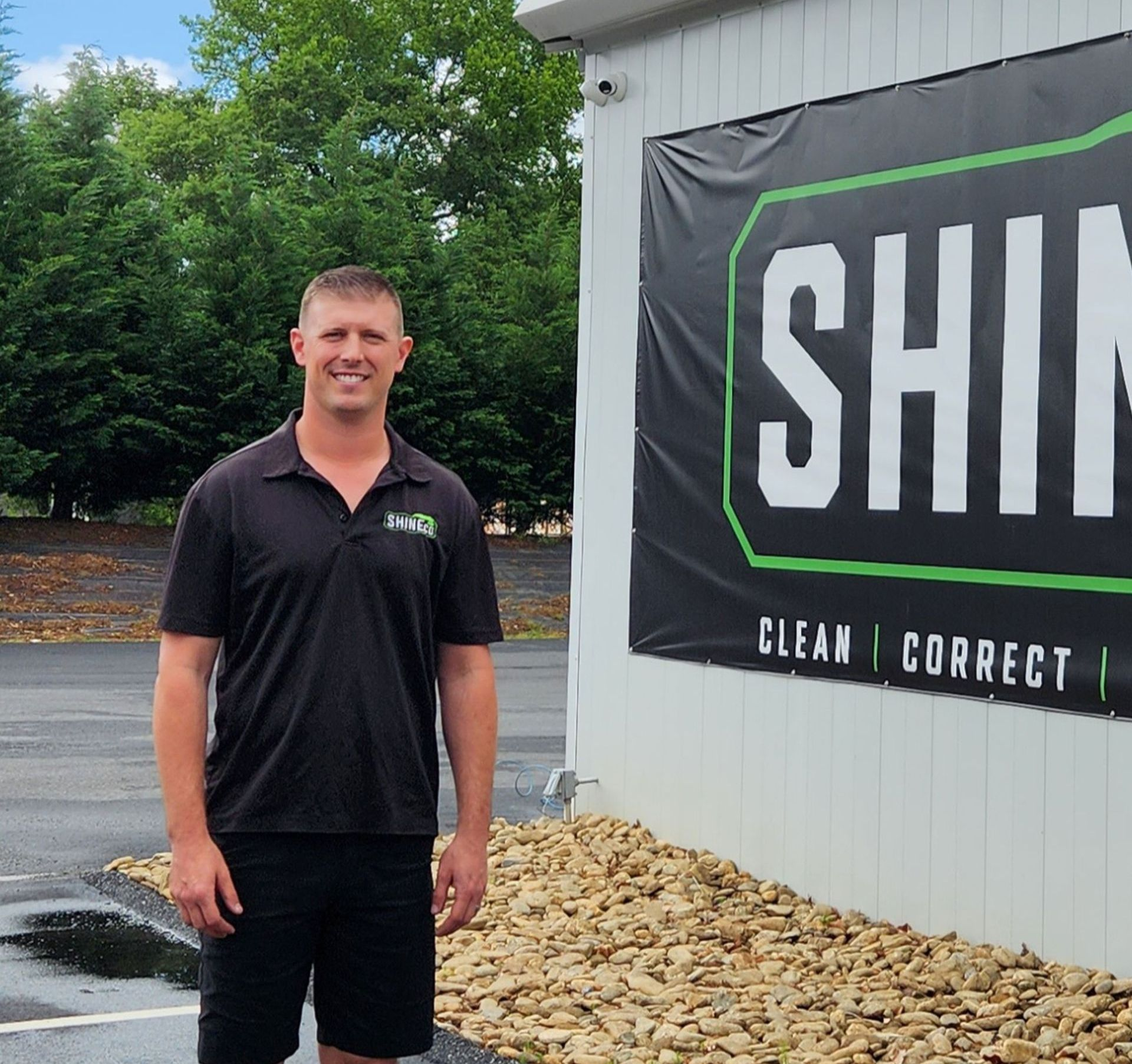
Thomas Kyle Simpson
Thomas Kyle Simpson is the Owner of ShineCo LLC with over 20 years of experience in automotive detailing. Specializing in paint correction, ceramic coatings, and PPF, he leads a nationally recognized team committed to quality and customer satisfaction. His passion-driven approach continues to shape ShineCo’s reputation for excellence.