Yes, automotive window tint can reduce glare from low afternoon sunlight by limiting the amount of visible light entering your vehicle. Quality window film can make bright conditions more comfortable, help reduce harsh reflections, and provide additional UV and heat protection. However, effectiveness depends on the film's specifications, tint darkness, and direction of sunlight.
For drivers in Spartanburg and Greenville, SC, afternoon sun glare can make daily commutes uncomfortable. At ShineCo, we provide professional window tinting solutions that help vehicle owners improve comfort, maintain visibility, and achieve a refined appearance.
How Low Afternoon Sun Causes Glare While Driving
Late-afternoon sunlight enters vehicles at a shallow angle, often shining directly through the windshield or side windows. This intense brightness can make it harder to distinguish traffic signals, pedestrians, and surrounding vehicles.
Drivers traveling westbound through Spartanburg, Greenville, Greer, or Duncan may experience particularly strong glare during their afternoon commute.
Reflections from wet pavement, dusty windshields, and interior surfaces can further reduce visual contrast. Although window tint can help manage incoming brightness, maintaining clean glass and using your sun visor remain important.
Can Window Tint Reduce Glare?
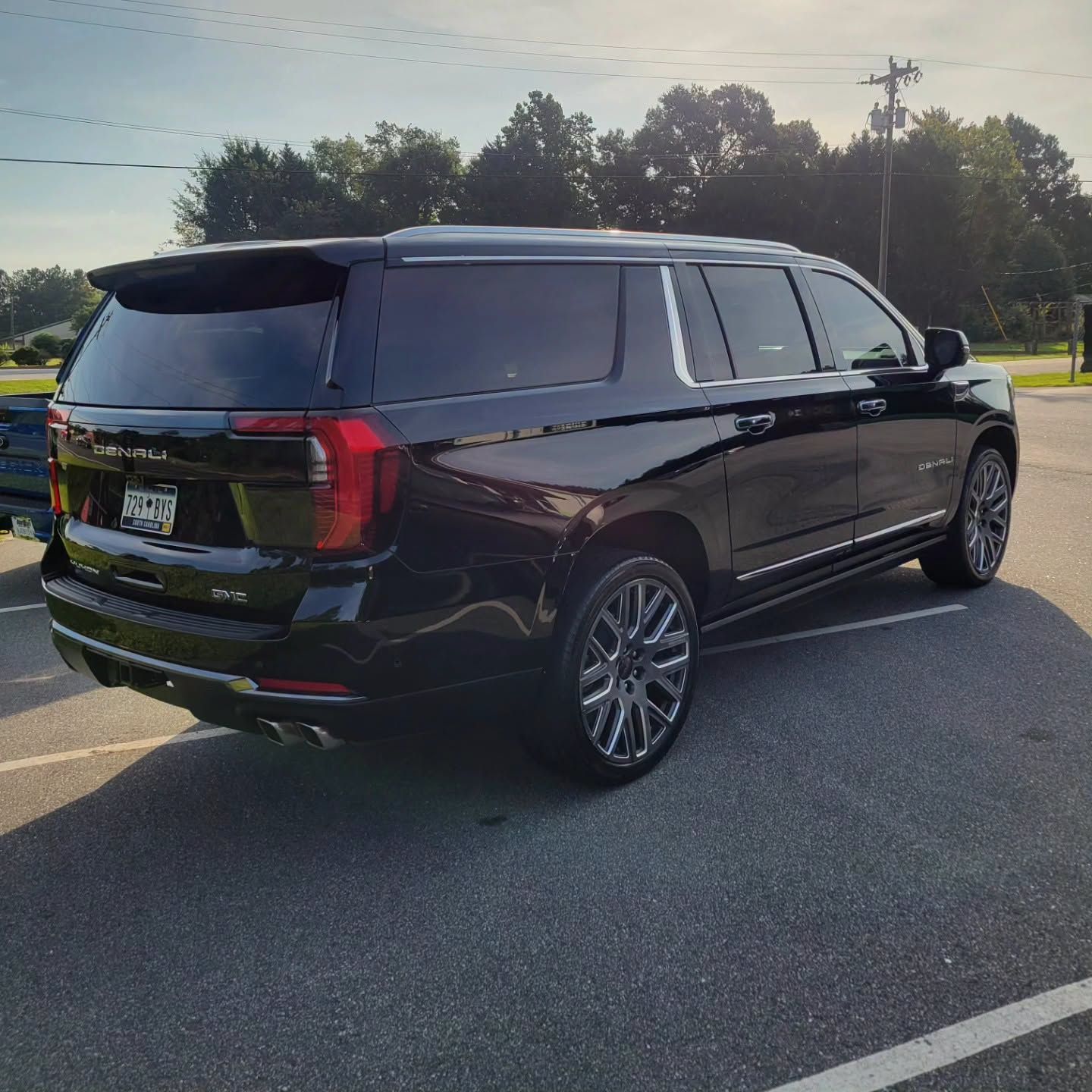
Window tint reduces the amount of visible sunlight passing through treated windows, potentially making bright driving conditions more comfortable.
However, the level of glare reduction depends on several factors:
- Film darkness: Lower visible light transmission allows less sunlight through.
- Window placement: Tint works primarily on the windows receiving direct sunlight.
- Film quality: Optical clarity and film construction influence visibility and comfort.
- Driving conditions: Sunlight direction, weather, and time of day affect results.
For example, tinted side windows may reduce discomfort when sunlight enters from the driver's side. However, they cannot eliminate glare shining directly through an untreated windshield.
Choosing the appropriate window film helps balance glare reduction with the visibility needed for everyday driving.
Understanding Window Tint Darkness and Visibility
Window tint darkness is measured using visible light transmission (VLT), which indicates the percentage of visible light passing through the window.
A higher VLT means more light enters the vehicle, while a lower VLT creates a darker appearance.
For example, 70% VLT allows more visible light through the window and maintains a lighter appearance. 50% VLT provides moderate light reduction, while 35% VLT allows less visible light through and produces a darker appearance.
These percentages explain tint darkness rather than recommend specific legal shades.
While darker window tint may reduce bright sunlight, it can also make nighttime driving or navigating poorly lit roads more challenging.
Factory glass also affects the final VLT measurement. Therefore, professional installers should evaluate the combined light transmission of the glass and film before installation.
Additional Benefits of Professional Window Tinting
UV Protection for Your Vehicle's Interior
Many automotive window films block a substantial percentage of ultraviolet radiation, helping reduce UV exposure through treated windows.
This protection may also help minimize sun-related fading and deterioration of upholstery, dashboards, and interior trim.
However, UV protection varies by product and should be evaluated using manufacturer specifications rather than tint darkness alone.
Reduced Solar Heat and Improved Comfort
South Carolina's warm climate can make vehicle interiors uncomfortable, especially during summer afternoons.
Solar-control window film can reduce some incoming solar energy, potentially improving cabin comfort during daily commutes and longer drives.
Heat rejection depends on film technology and performance characteristics. Darker tint does not necessarily provide greater heat rejection than a lighter, high-performance film.
Enhanced Vehicle Appearance
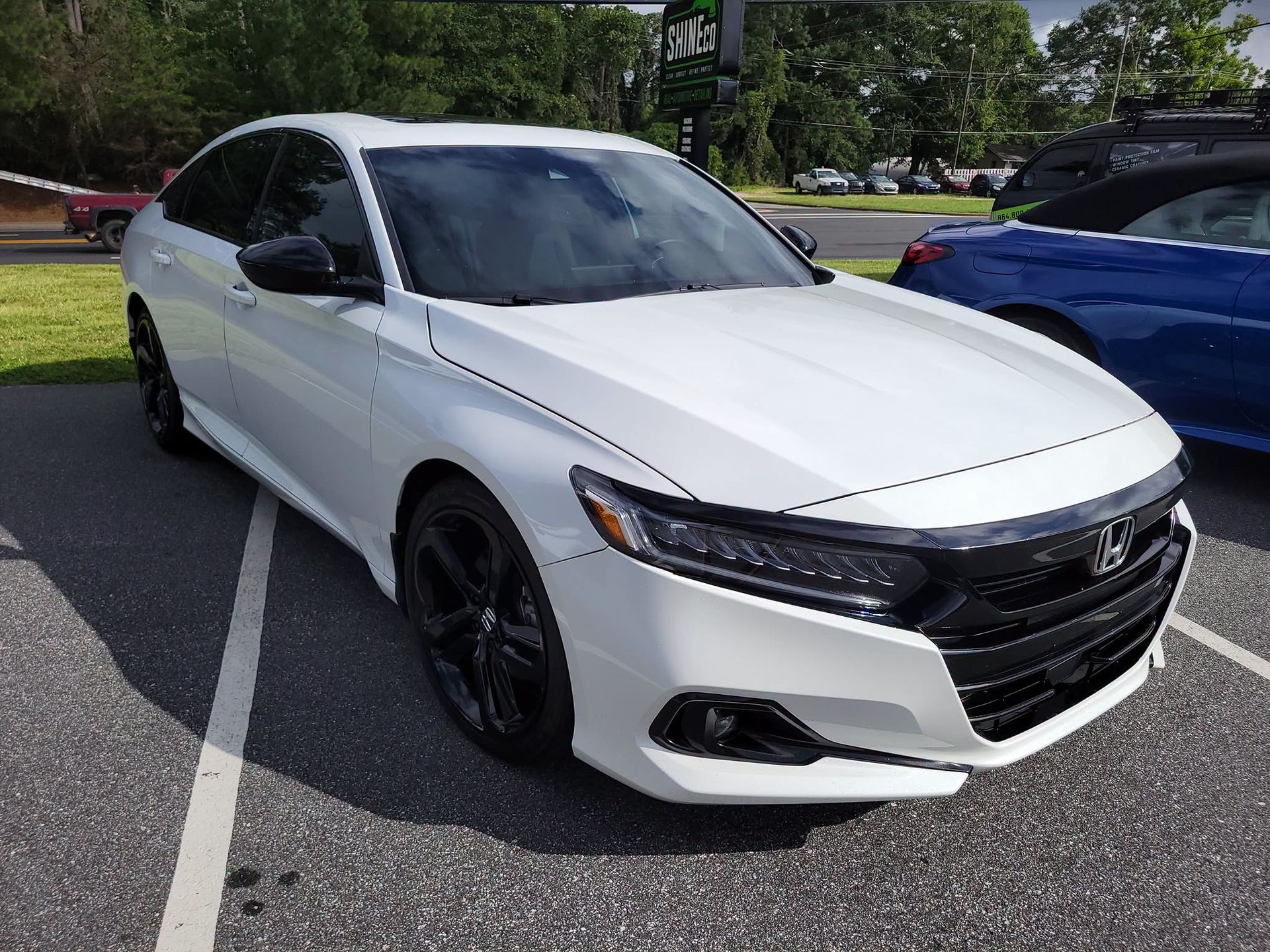
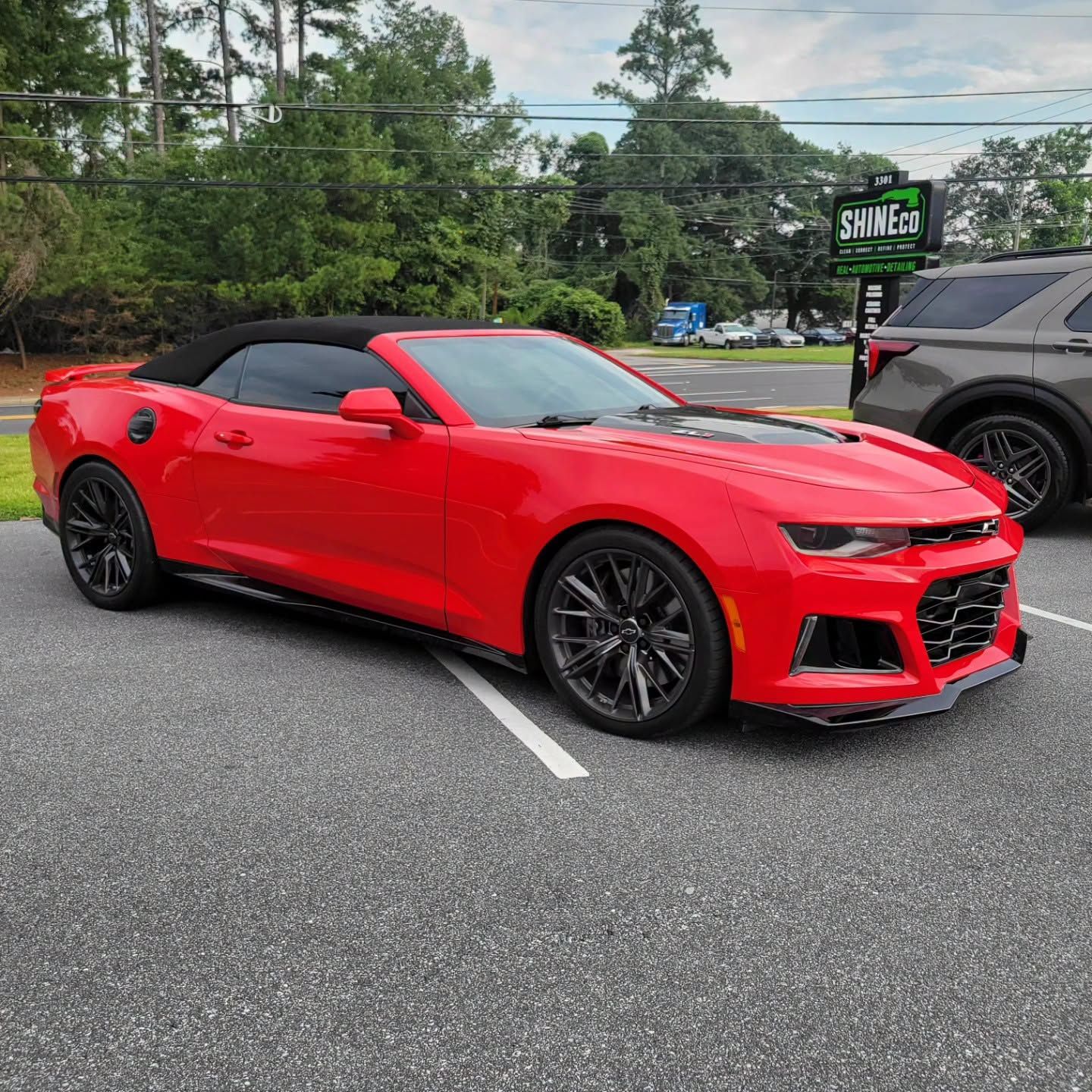
Professional window tinting can complement your vehicle's exterior while creating a cleaner, more consistent appearance.
Whether you drive a family SUV, pickup truck, sedan, or sports car, the right tint can enhance your vehicle's styling without compromising everyday practicality.
How to Choose Window Tint for Better Driving Visibility
Selecting window tint involves balancing sunlight control, appearance, and visibility.
Before choosing a film, consider your driving schedule and the windows receiving the strongest sunlight.
Drivers who frequently travel after dark may prefer lighter film options that preserve more visible light. Those who primarily drive during daylight hours may prioritize greater sunlight reduction.
Review the film's UV protection, heat rejection, and optical clarity specifications before making a decision.
At ShineCo, we help customers understand their options based on their vehicles, driving habits, and desired results.
Understanding South Carolina Window Tint Laws
South Carolina regulates automotive window tint under S.C. Code § 56-5-5015.
For applicable passenger vehicle windows, aftermarket tint generally must maintain at least 27% combined visible light transmission. Different provisions and exemptions apply to certain vehicle types and rear windows.
Windshield tint is generally restricted to the upper portion above the manufacturer's AS-1 line. South Carolina also restricts certain reflective films and tint colors.
Because requirements vary by window position and vehicle classification, confirm current regulations before installation. Proper compliance documentation may also be required.
Professional Window Tint Installation and Care
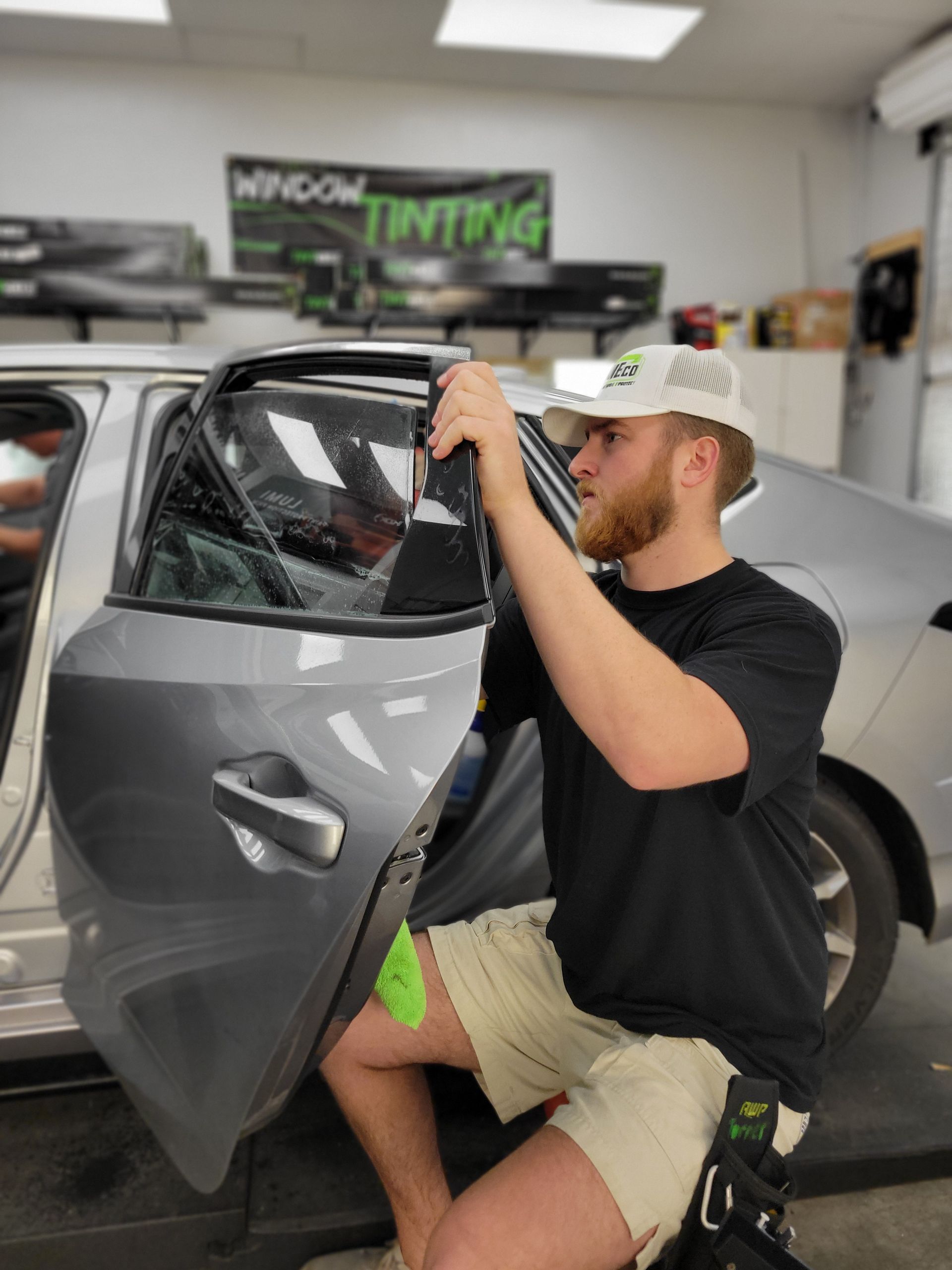
Professional installation helps achieve a smooth appearance while minimizing bubbles, peeling edges, and other visible imperfections.
After installation, follow your technician's curing instructions, including when you can safely lower your windows.
Use a clean microfiber cloth and film-safe cleaning products for routine maintenance. Avoid abrasive materials and harsh chemicals that could damage the film.
Temporary moisture patterns may appear during curing, but persistent problems should be evaluated by your installer.
Improve Driving Comfort With Window Tinting at ShineCo
Window tint can help reduce afternoon sun glare while providing valuable UV protection, solar heat reduction, and improved vehicle appearance.
At ShineCo, we provide professional window tinting for drivers throughout Spartanburg, Greenville, and surrounding Upstate South Carolina communities. Our team prioritizes quality workmanship and treats every vehicle with care.
Ready to make your daily drive more comfortable?
Contact ShineCo at
864-809-4385 or visit
goshineco.com to request your free window tinting quote today.
About the Author
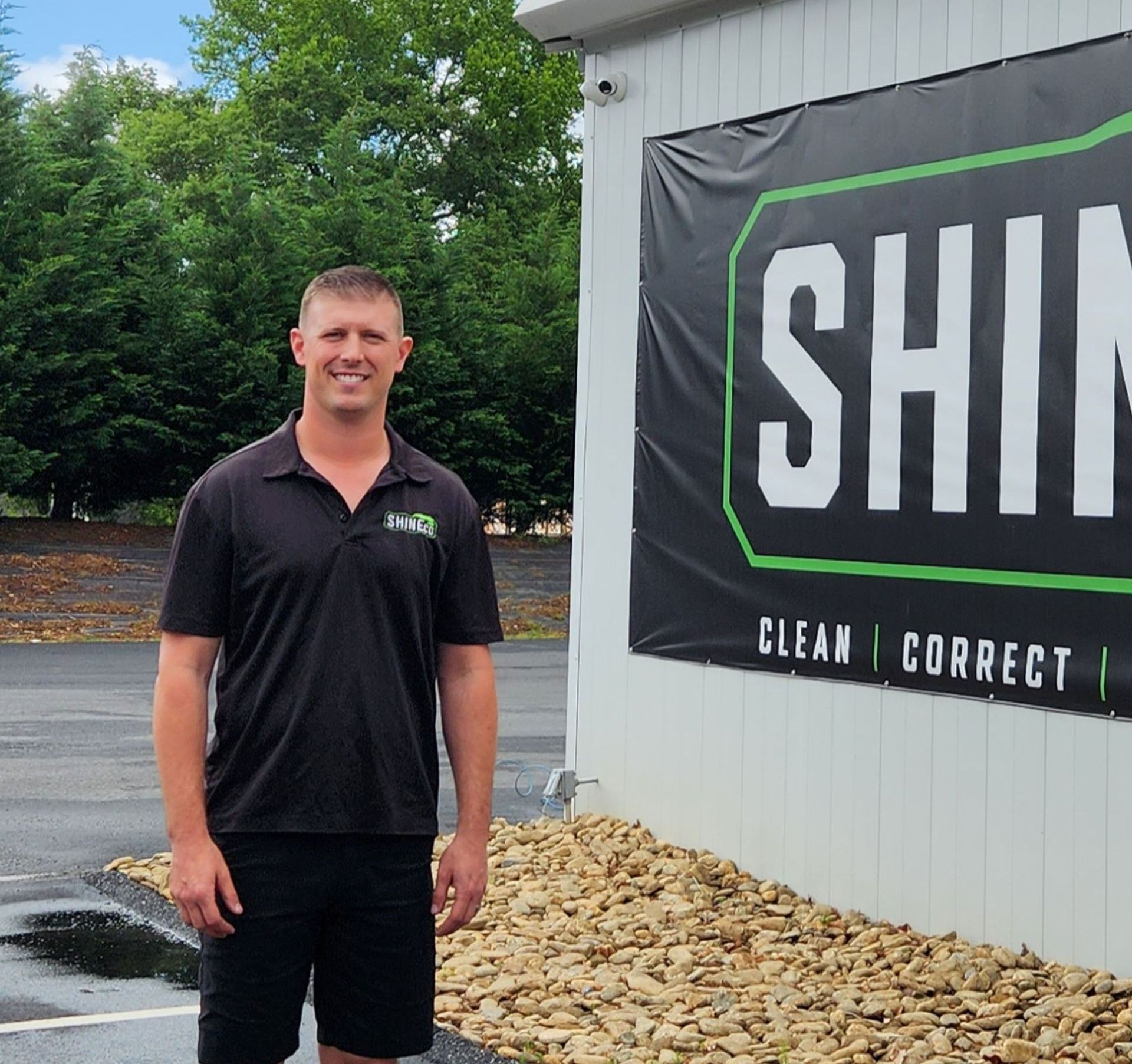
Thomas Kyle Simpson
Thomas Kyle Simpson is the Owner of ShineCo LLC with over 20 years of experience in automotive detailing. Specializing in paint correction, ceramic coatings, and PPF, he leads a nationally recognized team committed to quality and customer satisfaction. His passion-driven approach continues to shape ShineCo’s reputation for excellence.