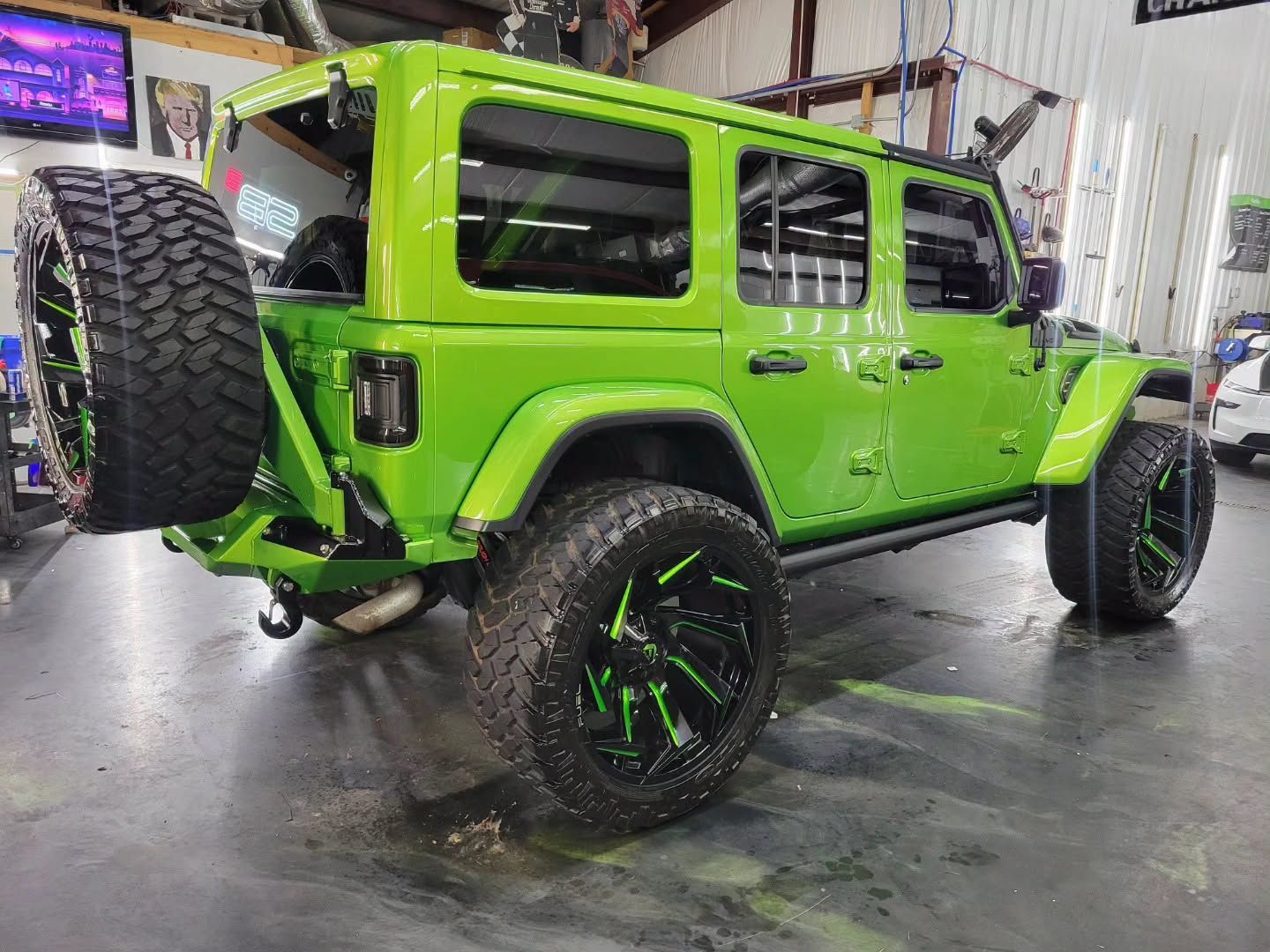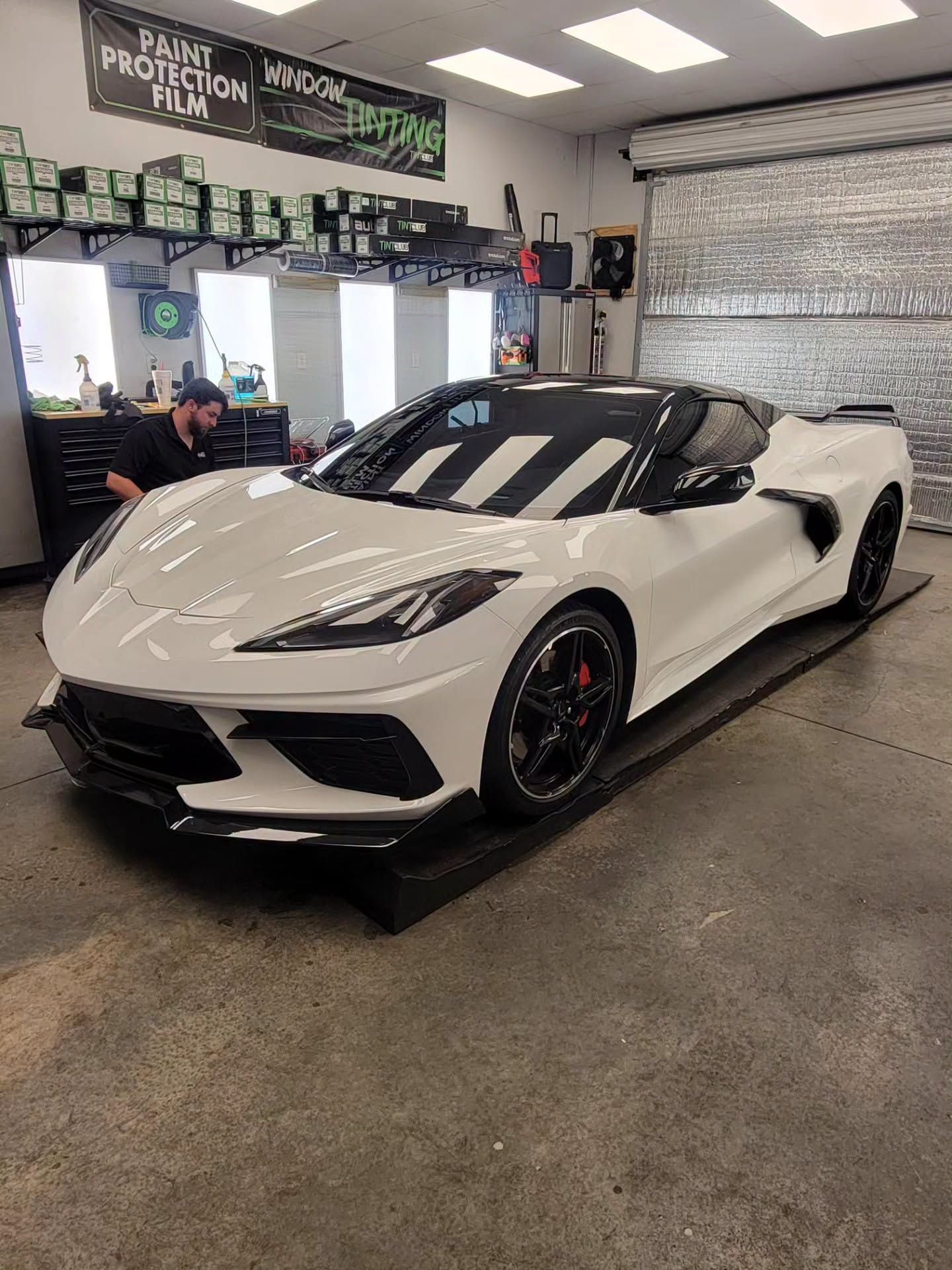
Parking outside exposes your vehicle to sunlight, pollen, rain, tree sap, bird droppings, insects, and road debris. Paint Protection Film, commonly called PPF, adds a physical barrier over vulnerable painted surfaces to help reduce damage from daily driving and outdoor exposure.
For drivers in Spartanburg, Greenville, and nearby Upstate South Carolina communities, PPF can be useful when covered parking is limited. A professionally installed SunTek PPF package can protect high-impact areas, preserve the original finish, and make long-term care easier. PPF is not damage-proof, but it provides physical protection that waxes and ceramic coatings cannot provide alone.
Why Is Outdoor Parking Hard on Vehicle Paint?
A vehicle parked outside faces repeated exposure with little relief. The South Carolina sun can heat painted surfaces for hours, while humidity, rain, pollen, and contaminants may remain until the next wash. Parking near trees can also expose the vehicle to sap, bird droppings, and falling debris.
Daily driving adds another risk. Loose gravel, insects, and road particles can strike the front bumper, hood, mirrors, fenders, rocker panels, and door edges. PPF acts as a sacrificial layer that absorbs wear before it reaches the clear coat and paint beneath it.
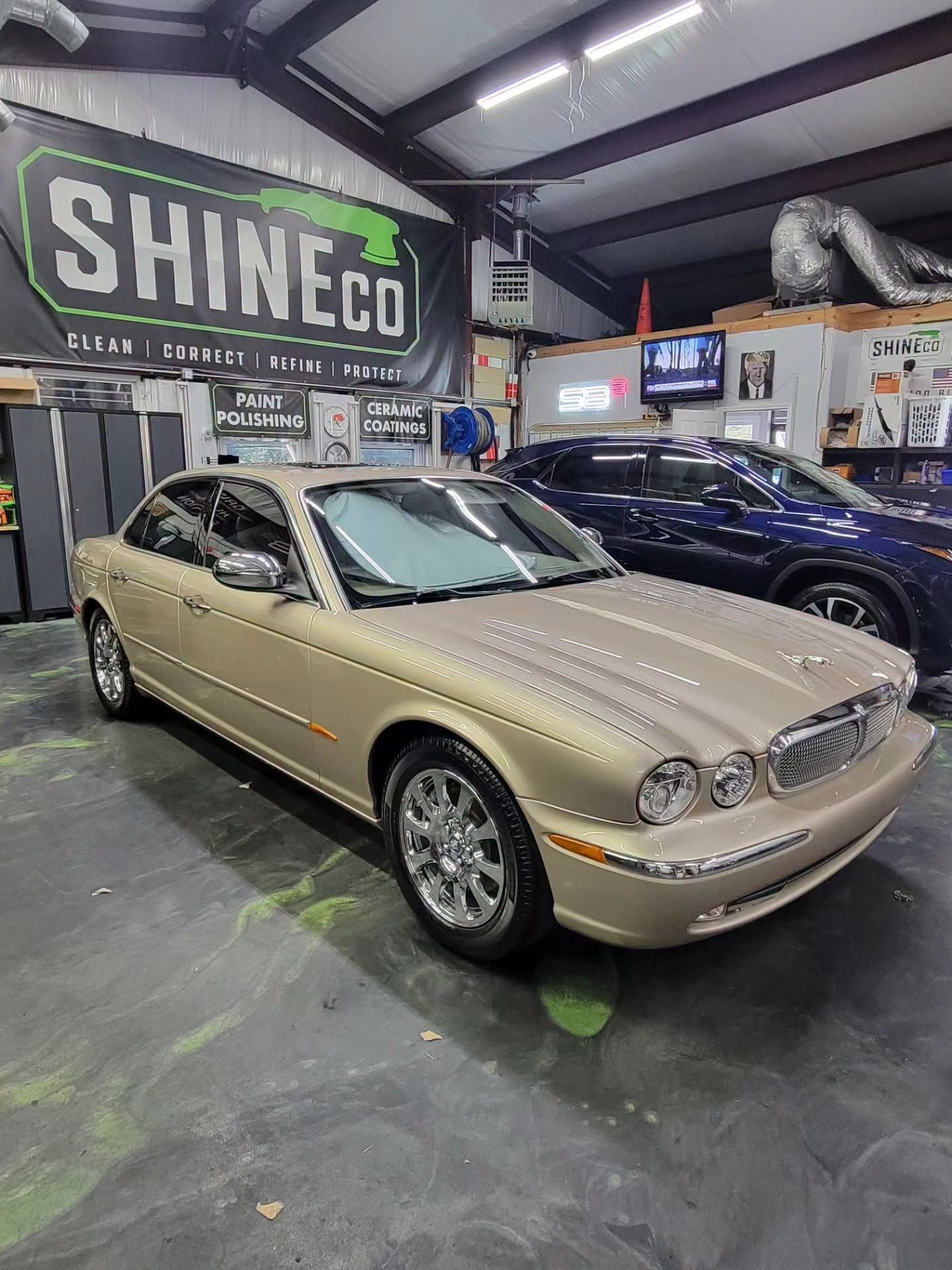
How Does PPF Protect a Car Parked Outside?
It Helps Reduce Damage From Road Debris
SunTek Paint Protection Film is designed to absorb many minor impacts before they reach the paint. It is practical for commuters, highway drivers, family SUVs, performance vehicles, and newer cars.
Coverage may include the front bumper, partial or full hood, front fenders, mirror caps, rocker panels, and door edges. A full-front package focuses on panels that receive frequent road impact, while full-body PPF offers broader protection.
It Creates a Barrier Against Contaminants
Bird droppings, tree sap, insect residue, road film, and pollen can stain or etch a finish when left in place. PPF puts a clear layer between these contaminants and the original paint. It does not eliminate washing, but it gives owners a more forgiving surface and helps reduce the risk of permanent marks on covered areas.
Its Top Layer May Self-Heal Light Marks
Many modern PPF products include a self-healing top layer. Depending on the selected film, warmth from the sun or warm water may help light surface marks become less visible.
This applies only to minor marks in the film. PPF does not repair deep cuts, dents, severe abrasions, or damage that reaches the paint. A damaged section may still require professional inspection or replacement.
It Helps Preserve the Original Paint
Preserving original paint helps maintain a cleaner appearance and may benefit the vehicle when it is sold or traded. By helping prevent chips, stains, and surface wear on covered panels, PPF can reduce the need for touch-up paint or refinishing.
What Does PPF Not Protect Against?
PPF cannot prevent hail dents, collision damage, deep gouges, severe impacts, or every scratch. It also cannot conceal existing paint defects. Swirl marks, sanding marks, oxidation, and other imperfections may remain visible beneath the film unless the paint is corrected first.
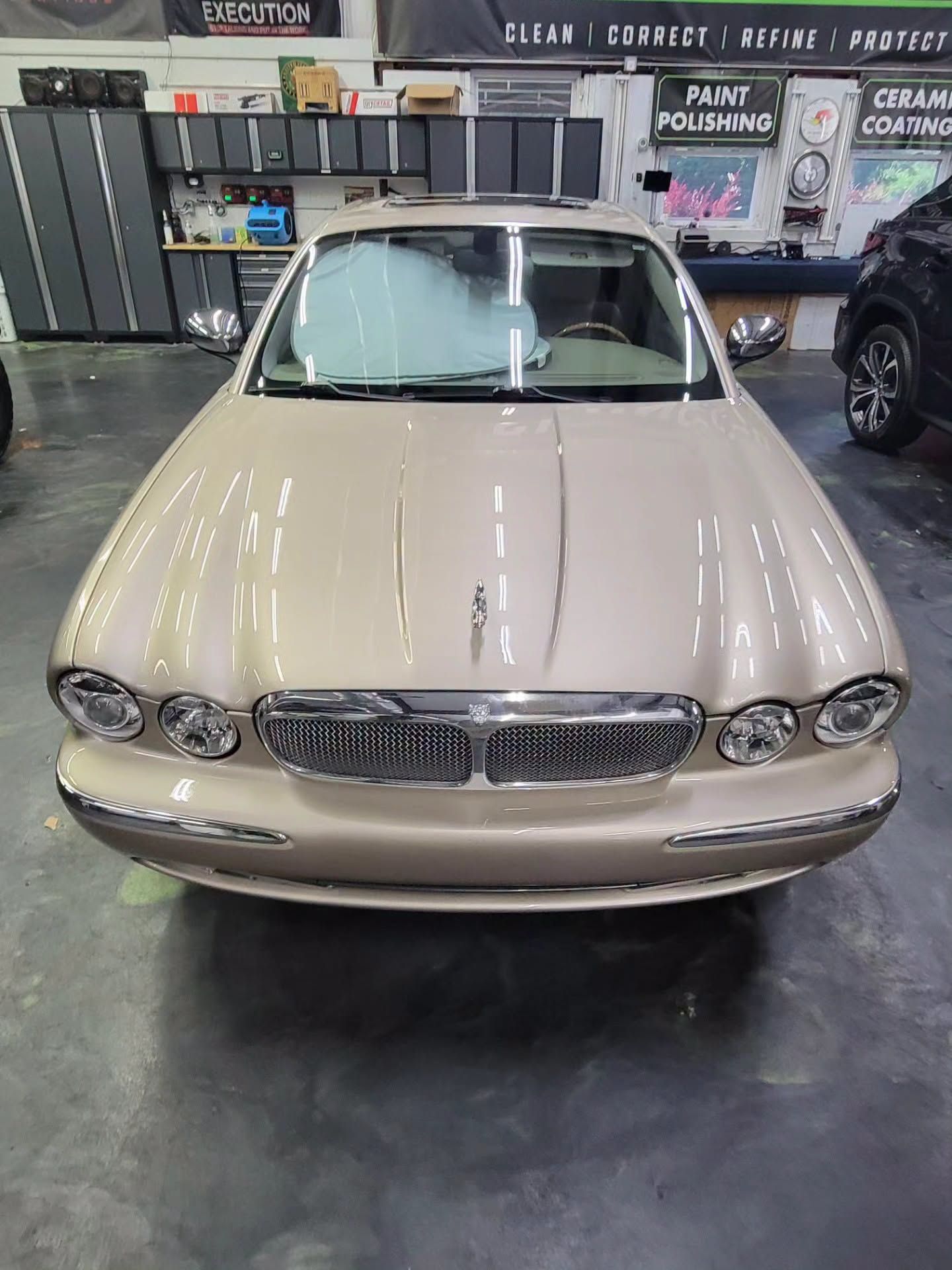
A professional inspection can determine whether paint correction is needed before installation. At ShineCo, we clean, correct, refine, and protect the vehicle in the proper order so the film is applied over a properly prepared surface.
Is PPF Better Than Ceramic Coating for Outdoor Parking?
PPF and ceramic coating solve different problems. PPF is a thicker physical film that helps protect covered panels against rock chips, light abrasions, and direct contact. Ceramic coating bonds to the surface and is mainly valued for gloss, easier cleaning, and resistance to environmental contamination.
Ceramic coating does not provide the same impact protection as PPF. For many outdoor-parked vehicles, a comprehensive approach is to install PPF on high-impact areas and apply an appropriate SB3 ceramic coating over compatible surfaces for added gloss and easier maintenance.
The right choice depends on the vehicle, parking conditions, driving habits, budget, and expectations. We explain the differences and recommend protection based on each owner’s needs.
Why Does Professional PPF Installation Matter?
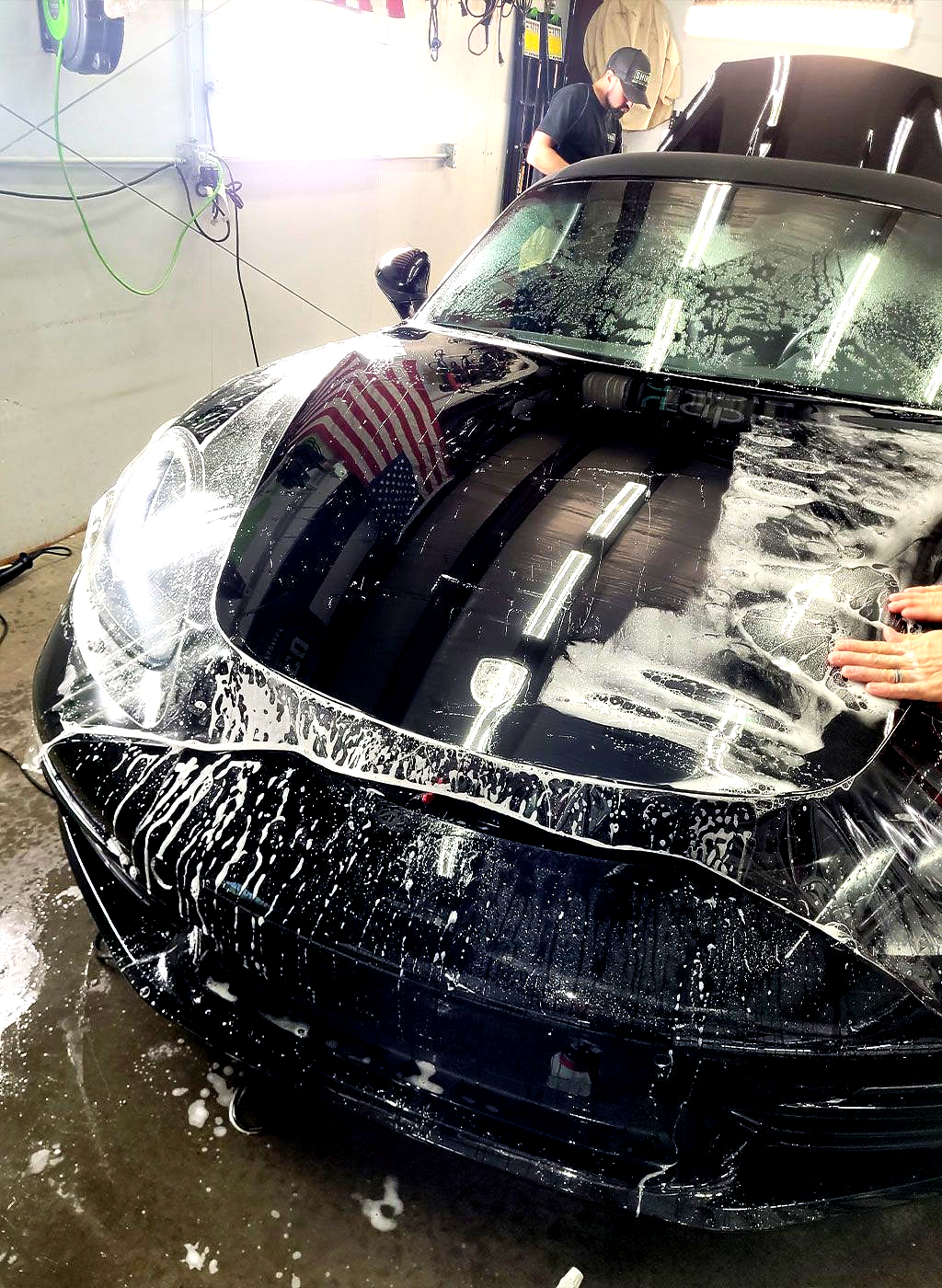
Installation quality affects appearance, edge security, clarity, and durability. A professional process includes washing and decontamination, paint inspection, precision pattern placement, clean edge work, and a final quality check.
Poor preparation can trap debris beneath the film, while improper alignment may create visible seams or lifting edges. We install SunTek PPF at our Spartanburg shop, where controlled lighting, professional equipment, and a clean environment support precise application.
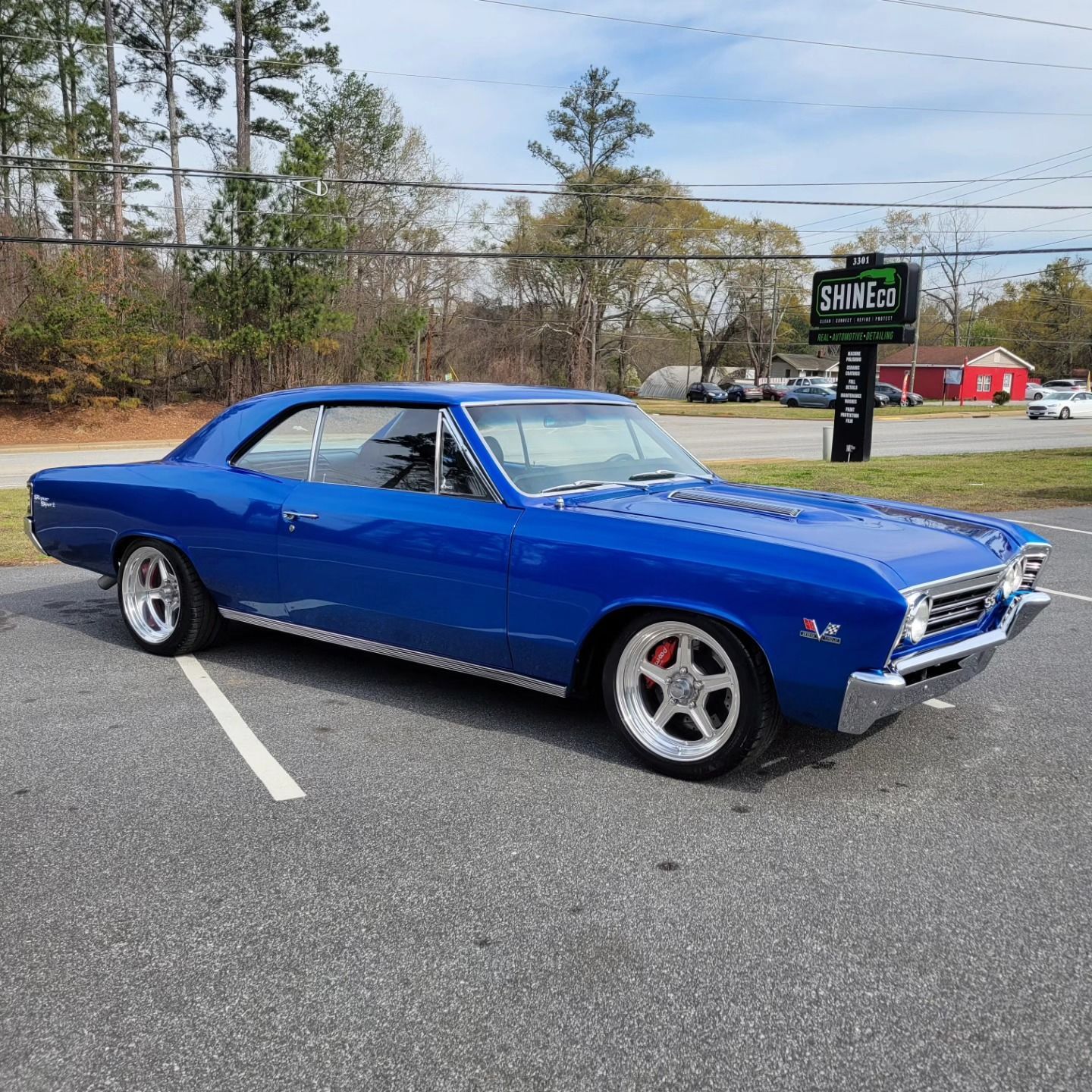
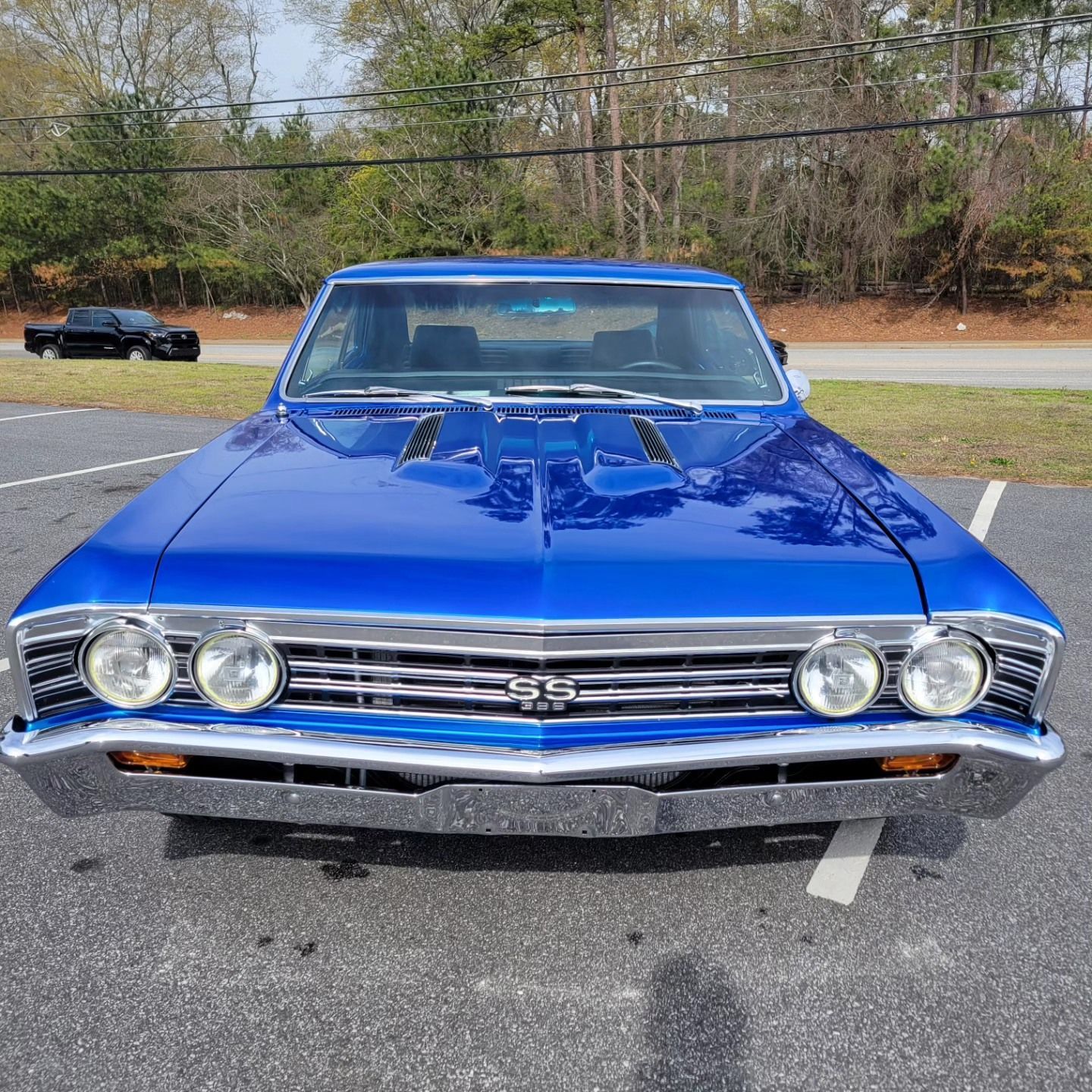
How Should You Care for PPF on an Outdoor-Parked Vehicle?
Wash the vehicle regularly using a pH-balanced automotive soap, clean microfiber wash media, soft drying towels, and film-safe methods. Remove bird droppings, tree sap, and insect residue promptly.
Avoid abrasive polishes, harsh chemicals, and brush-style automatic car washes. When using a pressure washer, keep a safe distance from film edges and avoid concentrated pressure at seams. If an edge appears lifted, contact the installer instead of picking at it.
Is PPF Worth It for a Car Parked Outside?
PPF may be a strong investment when a vehicle is newer, has been repainted and fully cured according to the body shop’s guidance, is driven frequently, or is parked outside most days. It is also useful for drivers who regularly use highways or roads where loose debris is common.
The decision should focus on the areas at greatest risk rather than assuming every vehicle needs full-body coverage. A consultation can compare available options based on the vehicle, driving routine, parking environment, and budget.
Professional PPF in Spartanburg for Upstate SC Drivers
ShineCo grew from a one-person backyard operation into a seven-member team through local referrals, repeat customers, and careful workmanship. We serve vehicle owners throughout Spartanburg, Greenville, and Upstate South Carolina.
Protect the parts of your vehicle that face the most exposure with professionally installed SunTek PPF. Contact us to request your free quote from ShineCo or call 864-809-4385 to discuss the right coverage for your vehicle.
Frequently Asked Questions About PPF for Outdoor Vehicles
How long does paint protection film last?
Service life depends on the selected film, installation quality, exposure, maintenance, and driving conditions. We can explain the warranty and care requirements for the specific SunTek product chosen.
Does PPF protect a car from hail?
No. PPF cannot prevent dents caused by hail or other strong impacts. Its main purpose is to protect covered paint from road debris, chips, stains, and light everyday wear.
Can PPF be installed over scratches or swirl marks?
PPF can be installed over sound paint, but it will not hide every defect. Paint correction may be recommended first so the finish looks its best beneath the film.
Can ceramic coating be applied over PPF?
An appropriate ceramic coating can often be applied over compatible PPF to improve slickness, gloss, and ease of cleaning. A professional should select the products and timing.
Which PPF coverage is best for a car parked outside?
A full-front package is a common starting point because the bumper, hood, fenders, and mirrors receive frequent road impact. Rocker panels, door edges, and full-body coverage may also be considered based on driving and parking conditions.
About the Author
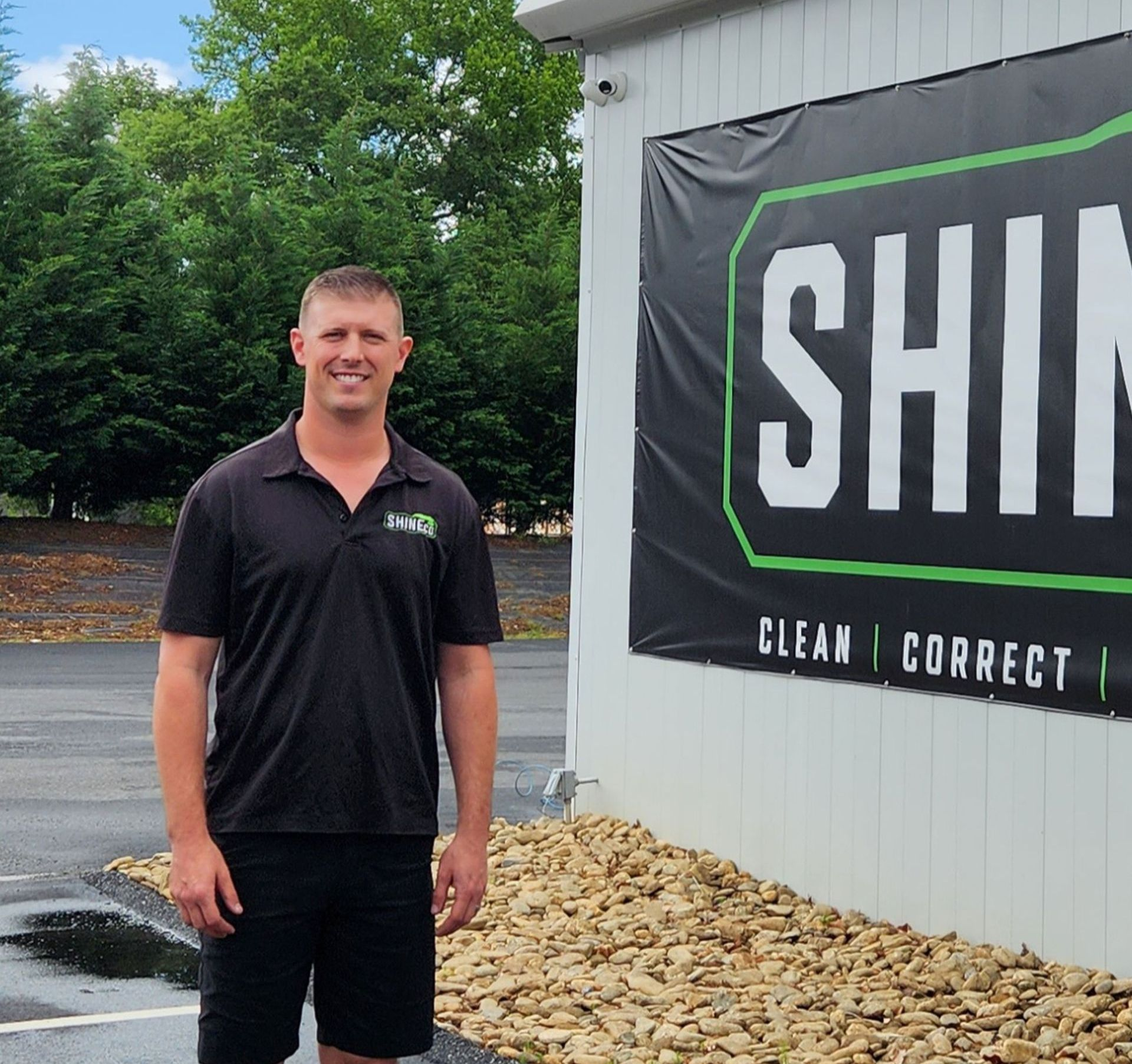
Thomas Kyle Simpson
Thomas Kyle Simpson is the Owner of ShineCo LLC with over 20 years of experience in automotive detailing. Specializing in paint correction, ceramic coatings, and PPF, he leads a nationally recognized team committed to quality and customer satisfaction. His passion-driven approach continues to shape ShineCo’s reputation for excellence.