Ceramic coating can help reduce hard water spots on cars, but it cannot prevent them completely. Its hydrophobic properties encourage water to bead and roll off painted surfaces, making routine cleaning easier. However, when mineral-rich water dries on a vehicle, calcium and magnesium deposits can still remain. Regular washing, proper drying, and timely maintenance are essential for minimizing stubborn water spots.
For drivers in Spartanburg and Greenville, SC, hot weather and everyday exposure to sprinklers and wash water can make maintaining a spotless finish challenging. At ShineCo, we install professional SB3 ceramic coatings to enhance vehicle gloss, improve surface protection, and simplify maintenance.
What Causes Hard Water Spots on Car Paint?
Hard water spots form when water containing dissolved minerals evaporates from a vehicle's surface. Calcium and magnesium are common contributors, leaving cloudy marks, white rings, or visible residue on the paint.
Common causes include:
- Washing vehicles with mineral-rich tap water
- Parking near lawn sprinklers
- Allowing rinse water to evaporate in direct sunlight
- Washing vehicles without drying them thoroughly
- Leaving mineral deposits on painted surfaces for extended periods
South Carolina's warm temperatures can accelerate evaporation, making water spots more noticeable during summer.
Fresh deposits are often easier to remove. However, prolonged exposure can make mineral buildup more difficult to clean and may contribute to clear coat damage or etching.
How Does Ceramic Coating Help Reduce Water Spots?
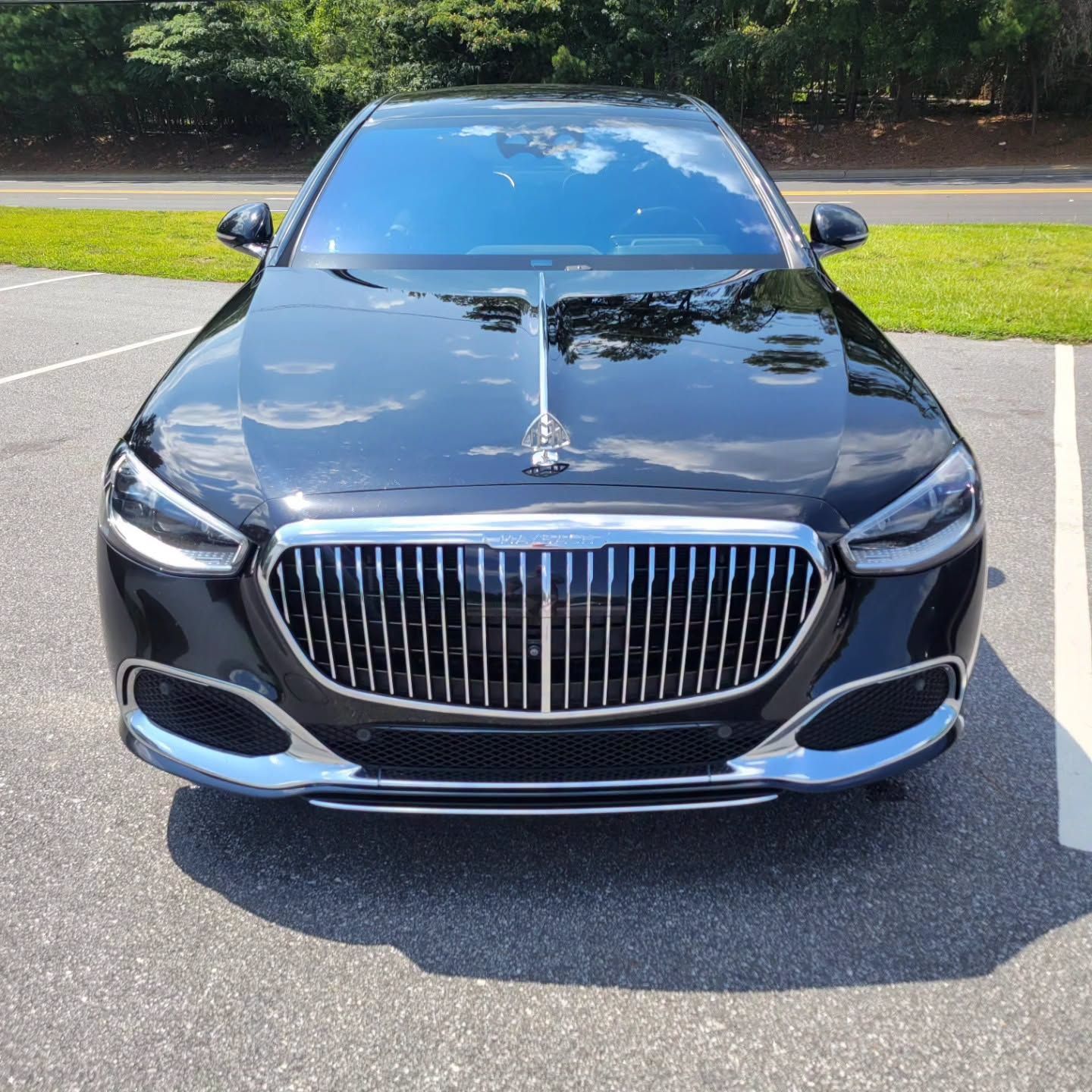
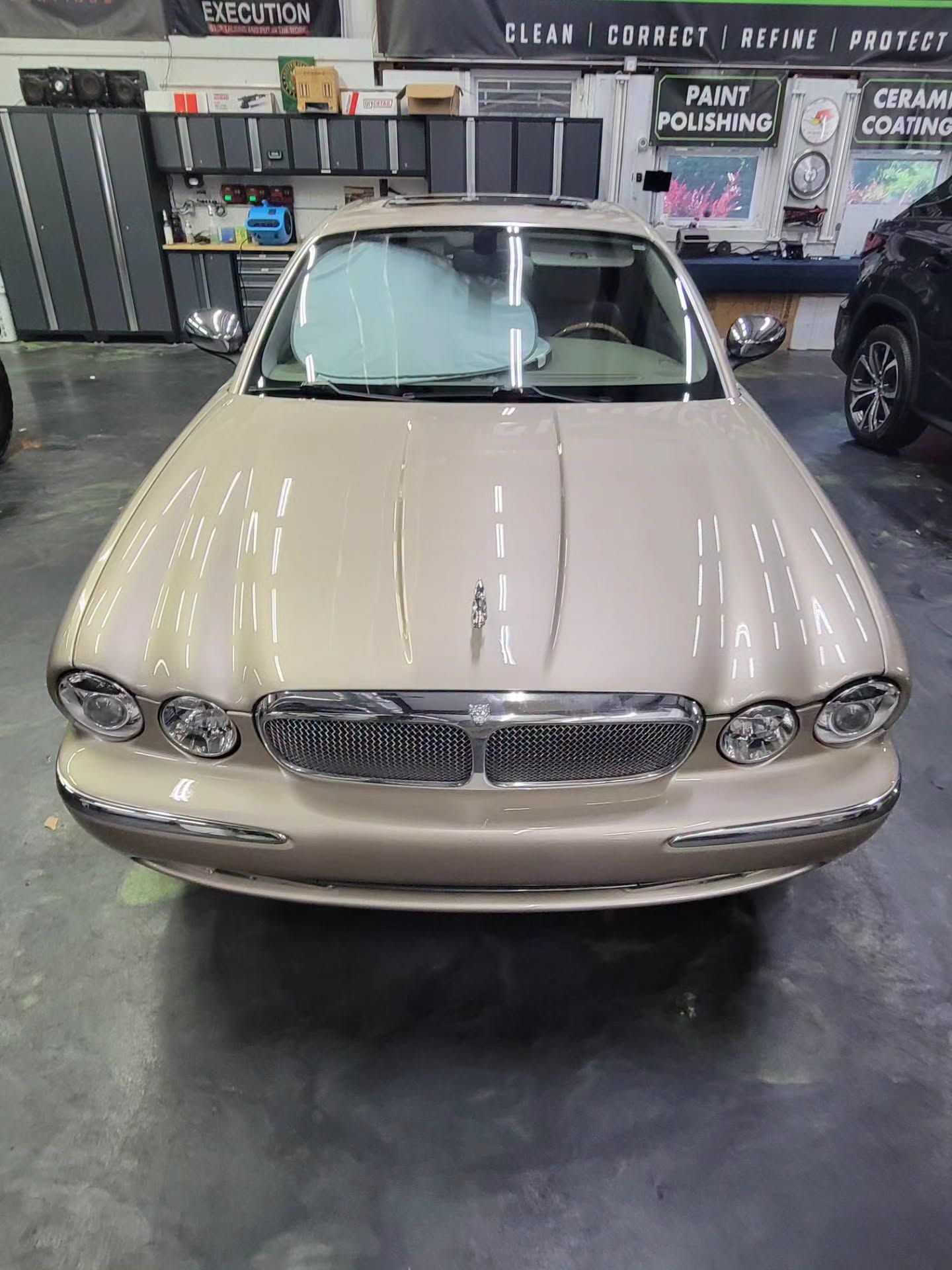
Professional ceramic coating creates a protective layer that changes how water interacts with automotive paint. Although ceramic coating does not eliminate water spots, it provides several benefits that support easier maintenance.
Hydrophobic Properties Encourage Water Runoff
Ceramic coatings are known for their hydrophobic properties, which cause water to form droplets rather than spread evenly across treated surfaces.
These droplets may roll away more easily, particularly on angled panels. However, water can still collect on hoods, roofs, and other horizontal surfaces before evaporating.
This means ceramic coating reduces certain conditions that contribute to water spotting without guaranteeing complete prevention.
Easier Cleaning and Maintenance
Ceramic-coated surfaces generally release dirt and certain contaminants more easily than untreated paint.
For busy vehicle owners in Spartanburg and Greenville, this can make routine washing more manageable and help maintain a clean appearance between detailing appointments.
Enhanced Gloss and Paint Protection
Professional ceramic coating can improve paint gloss while providing resistance to certain environmental contaminants.
At ShineCo, we use SB3 ceramic coatings to help protect vehicle finishes and maintain their appearance. However, ceramic coating is not scratch-proof and cannot prevent rock chips or every type of paint damage.
Can Hard Water Spots Damage Ceramic-Coated Paint?
Yes. Hard water spots can still affect ceramic-coated vehicles, especially when mineral-rich water remains on the surface under direct sunlight.
Several factors influence the severity of water spotting, including water hardness, surface temperature, exposure time, and coating condition.
For example, sprinkler water drying on a hot hood may leave visible mineral rings, while rinse water removed promptly is less likely to create stubborn deposits.
If spots remain untreated, deposits may become increasingly difficult to remove. In some cases, prolonged exposure can contribute to etching or damage that requires professional assessment.
Even with ceramic coating, proper washing and drying remain essential.
How to Prevent Hard Water Spots on a Ceramic-Coated Car
Maintaining ceramic-coated paint does not require complicated procedures. Consistent care and the right cleaning techniques can significantly reduce mineral buildup.
Wash Your Vehicle in the Shade
Avoid washing your vehicle in direct sunlight or when the paint is hot.
High surface temperatures cause water to evaporate quickly, increasing the likelihood of mineral deposits. Choose a shaded location and allow painted panels to cool before washing.
Use Ceramic Coating-Safe Products
Select a quality automotive shampoo designed for ceramic-coated vehicles.
Avoid abrasive cleaners, harsh household chemicals, and rough washing materials that may compromise the coating's surface properties.
Rinse Thoroughly and Dry Immediately
After washing, rinse the vehicle thoroughly and remove standing water using a clean microfiber drying towel or an appropriate filtered-air blower.
Using filtered or deionized water for the final rinse may also reduce mineral residue.
Follow Recommended Coating Maintenance
Follow your installer's recommended maintenance procedures to preserve coating performance.
Regular cleaning helps remove contaminants before they accumulate and supports the coating's water-repellent properties.
How to Remove Hard Water Spots From Ceramic Coating
If water spots develop, begin with the least aggressive cleaning method to avoid unnecessary surface damage.
Step 1: Wash the vehicle. Use a coating-safe automotive shampoo to remove loose dirt and surface contaminants.
Step 2: Apply a compatible water spot remover. If deposits remain, use a product specifically approved for ceramic-coated surfaces. Follow manufacturer instructions and test a small area first.
Step 3: Avoid aggressive scrubbing. Abrasive pads, household acids, and harsh polishing compounds may damage the coating or underlying paint.
Step 4: Contact a professional. Persistent marks may indicate embedded mineral deposits or clear coat etching rather than removable surface residue.
Some damage may require professional paint correction. Because polishing can affect the existing ceramic coating and remove a small amount of clear coat, the surface should be inspected before corrective work begins.
Is Ceramic Coating Worth It for Water Spot Protection?
Ceramic coating can be a worthwhile investment for vehicle owners who want enhanced gloss, easier cleaning, and additional protection from environmental contamination.
However, the primary value extends beyond water spot resistance. Professional paint preparation, proper coating application, and consistent aftercare contribute to long-term results.
Whether you drive a new sedan, family SUV, pickup truck, or performance vehicle, ceramic coating can help simplify maintenance while preserving your vehicle's appearance.
Professional Ceramic Coating in Spartanburg and Greenville, SC
At ShineCo, we help Upstate South Carolina drivers protect their vehicles through professional ceramic coating, paint correction, and paint protection film services.
Our team focuses on careful preparation, quality workmanship, and protection options suited to each vehicle. While ceramic coating cannot completely prevent hard water spots, proper application and routine maintenance can help keep your vehicle looking its best.
Ready to enhance your vehicle's gloss and simplify maintenance?
Contact ShineCo at
864-809-4385 or visit our
ceramic coating service page to request your free quote today.
About the Author
Thomas Kyle Simpson
Thomas Kyle Simpson is the Owner of ShineCo LLC with over 20 years of experience in automotive detailing. Specializing in paint correction, ceramic coatings, and PPF, he leads a nationally recognized team committed to quality and customer satisfaction. His passion-driven approach continues to shape ShineCo’s reputation for excellence.