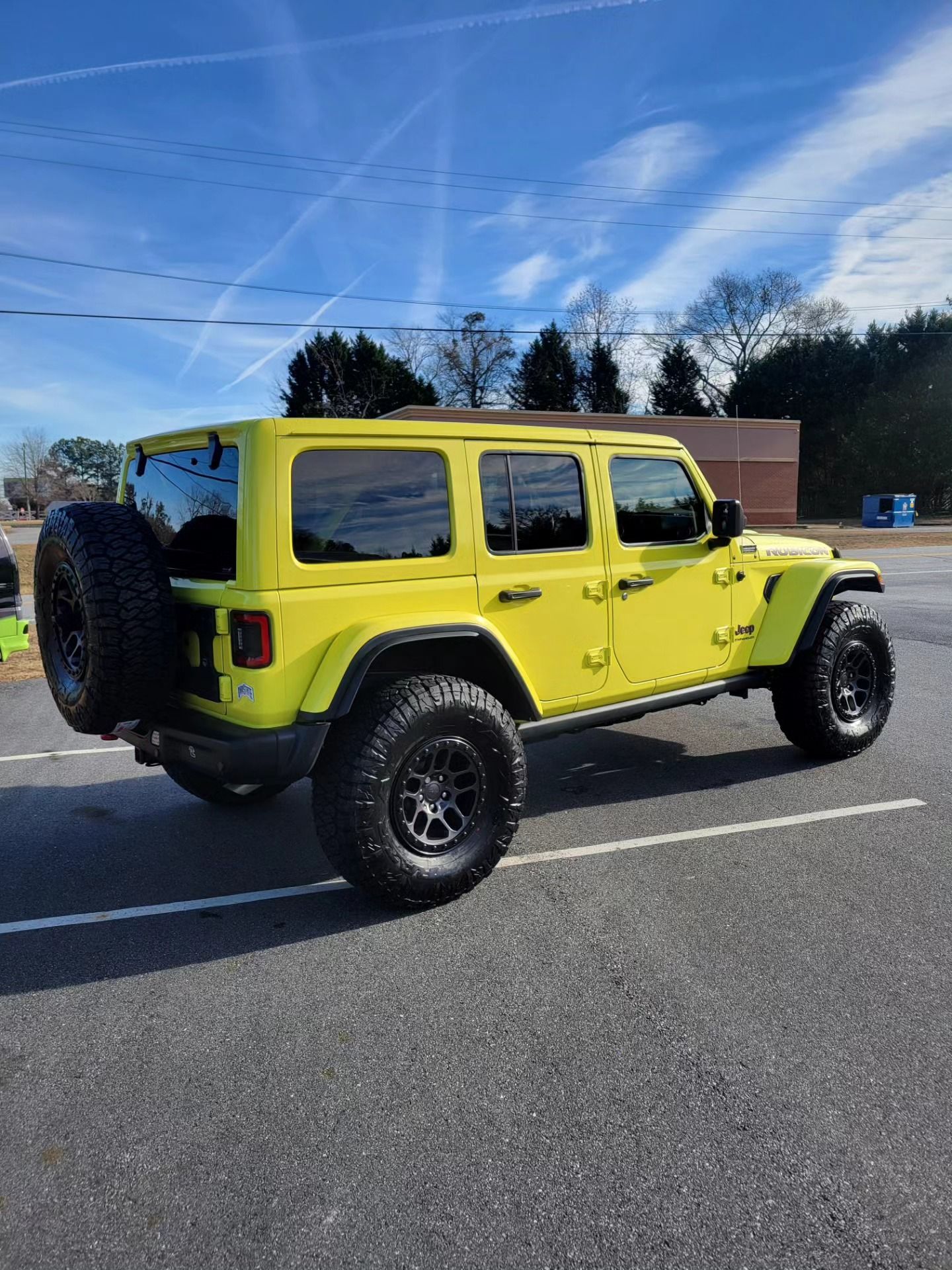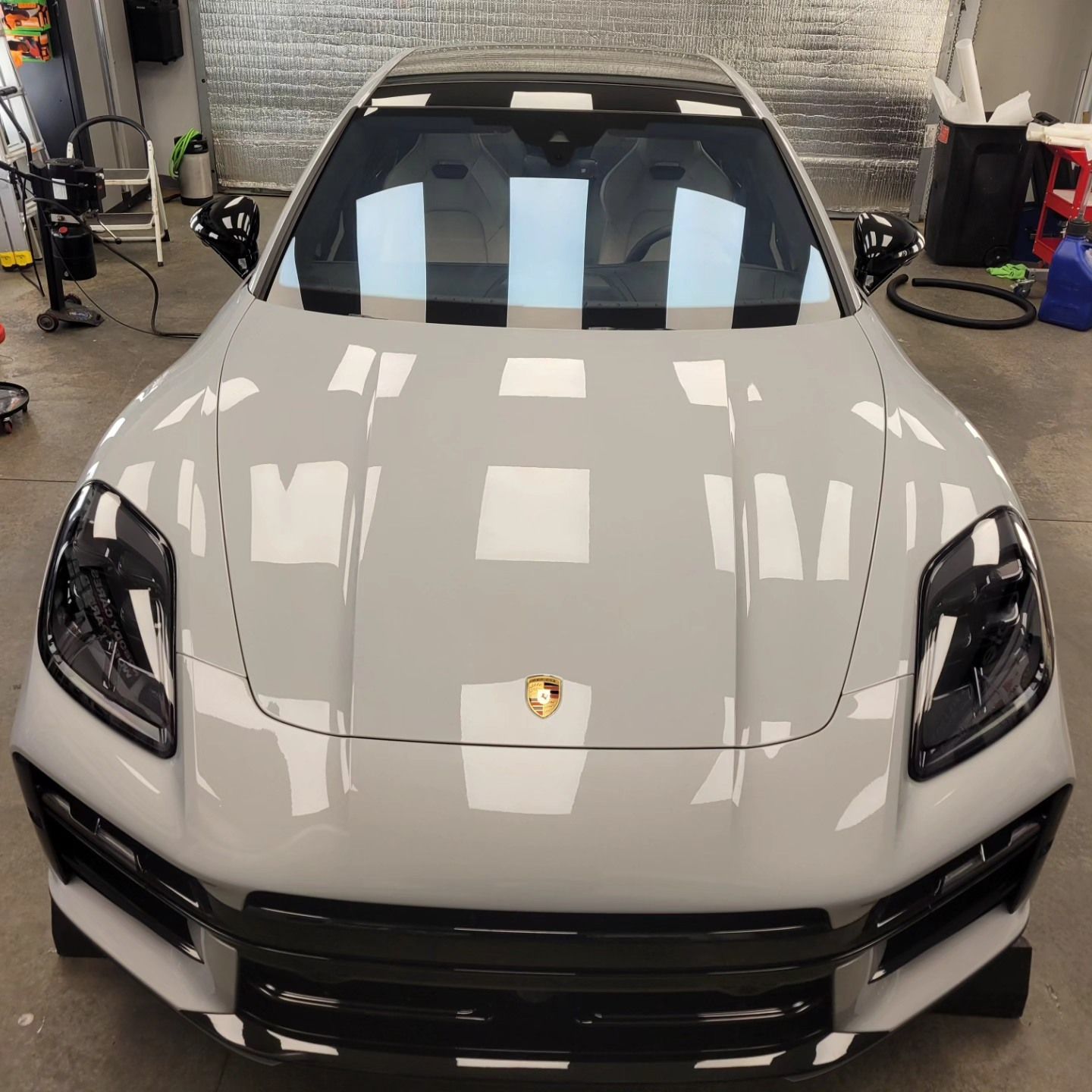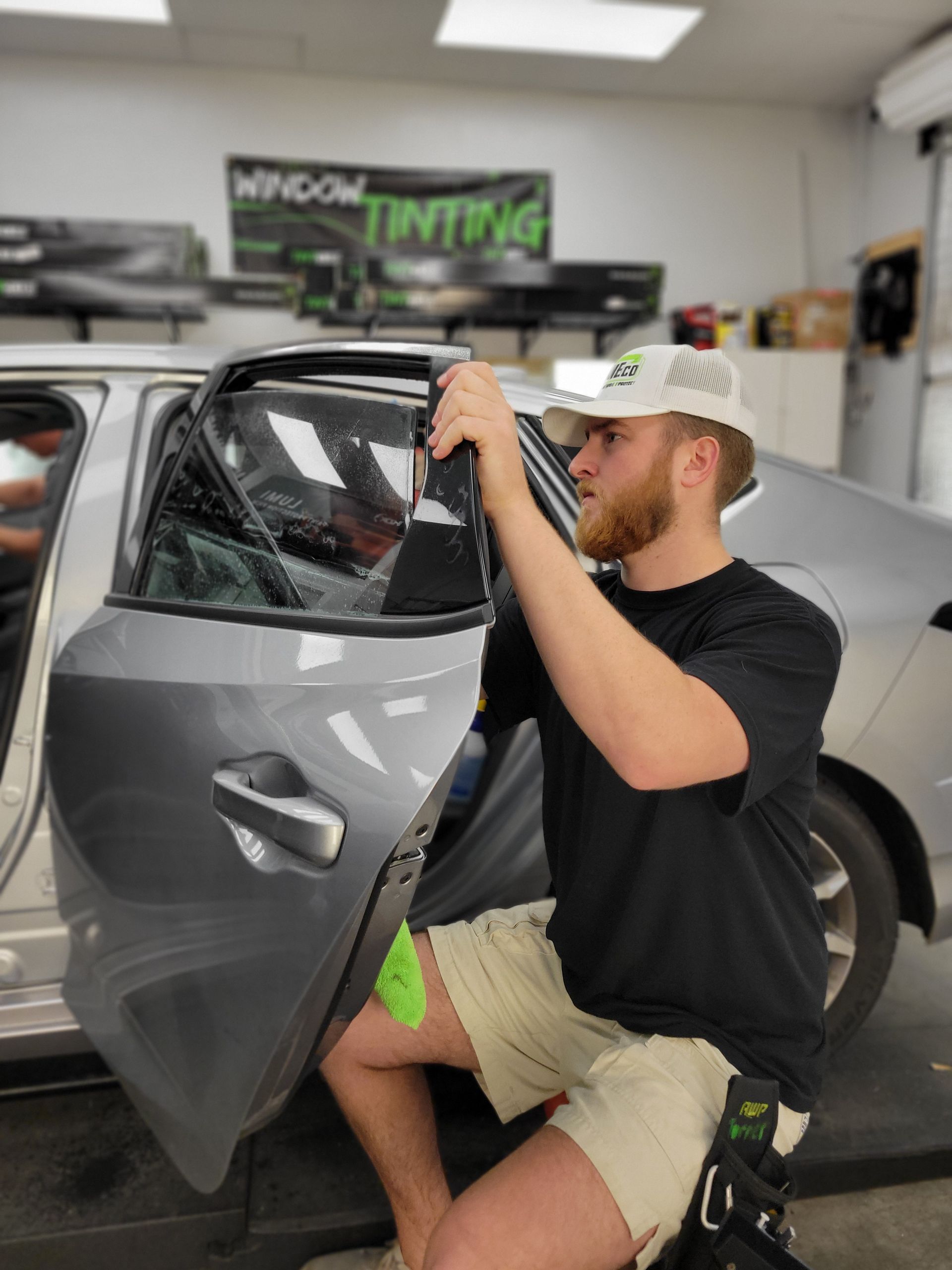
Yes, paint protection film (PPF) can help protect rocker panels from gravel road debris, stone chips, and surface abrasion. This transparent protective film creates a barrier between your vehicle's paint and road hazards, helping absorb the impact of smaller stones. While PPF cannot prevent every type of damage, professional installation can significantly reduce everyday wear on vulnerable painted surfaces.
For drivers in Spartanburg and Greenville, SC, loose gravel, construction debris, and daily commuting can expose lower vehicle panels to repeated impacts. At ShineCo, we install professional SunTek Paint Protection Film to help protect your vehicle's finish and preserve its appearance.
How Gravel Road Debris Damages Rocker Panels
Rocker panels run along the lower sides of a vehicle between the front and rear wheel openings. Their position makes them particularly vulnerable to rocks, road grit, and debris thrown by rotating tires.
Common causes of rocker panel damage include:
- Loose gravel: Small stones can strike painted surfaces and create chips.
- Sand and road grit: Abrasive particles may contribute to minor surface imperfections.
- Mud and road spray: Moisture can carry dirt and abrasive contaminants onto lower panels.
- Repeated impacts: Continuous exposure can gradually damage the clear coat and underlying paint.
Once a stone chip removes paint, polishing alone cannot restore the missing material. Deeper damage may require paint touch-ups or professional refinishing.
Protecting rocker panels before significant damage develops can help maintain your vehicle's appearance.
How Paint Protection Film Protects Rocker Panels
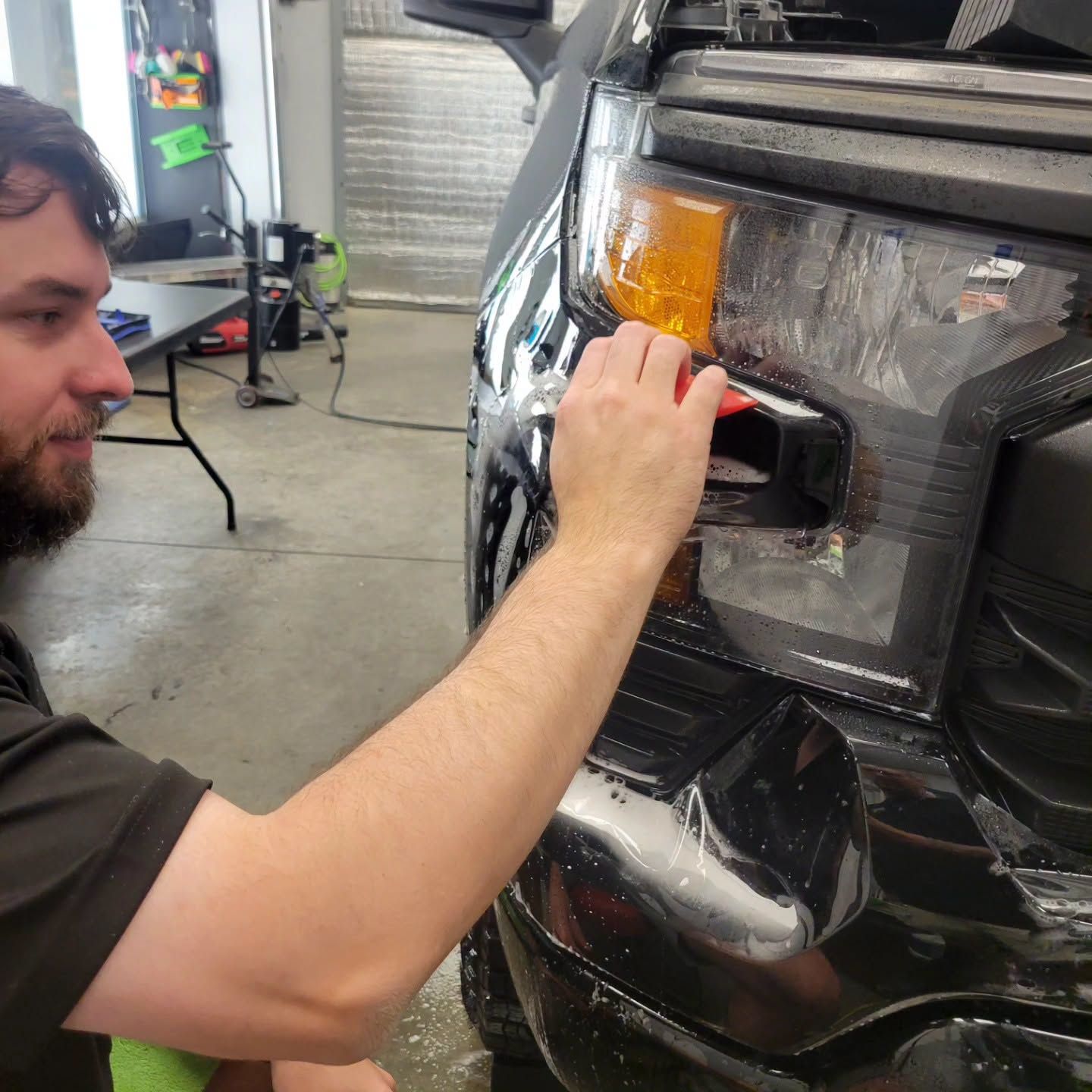
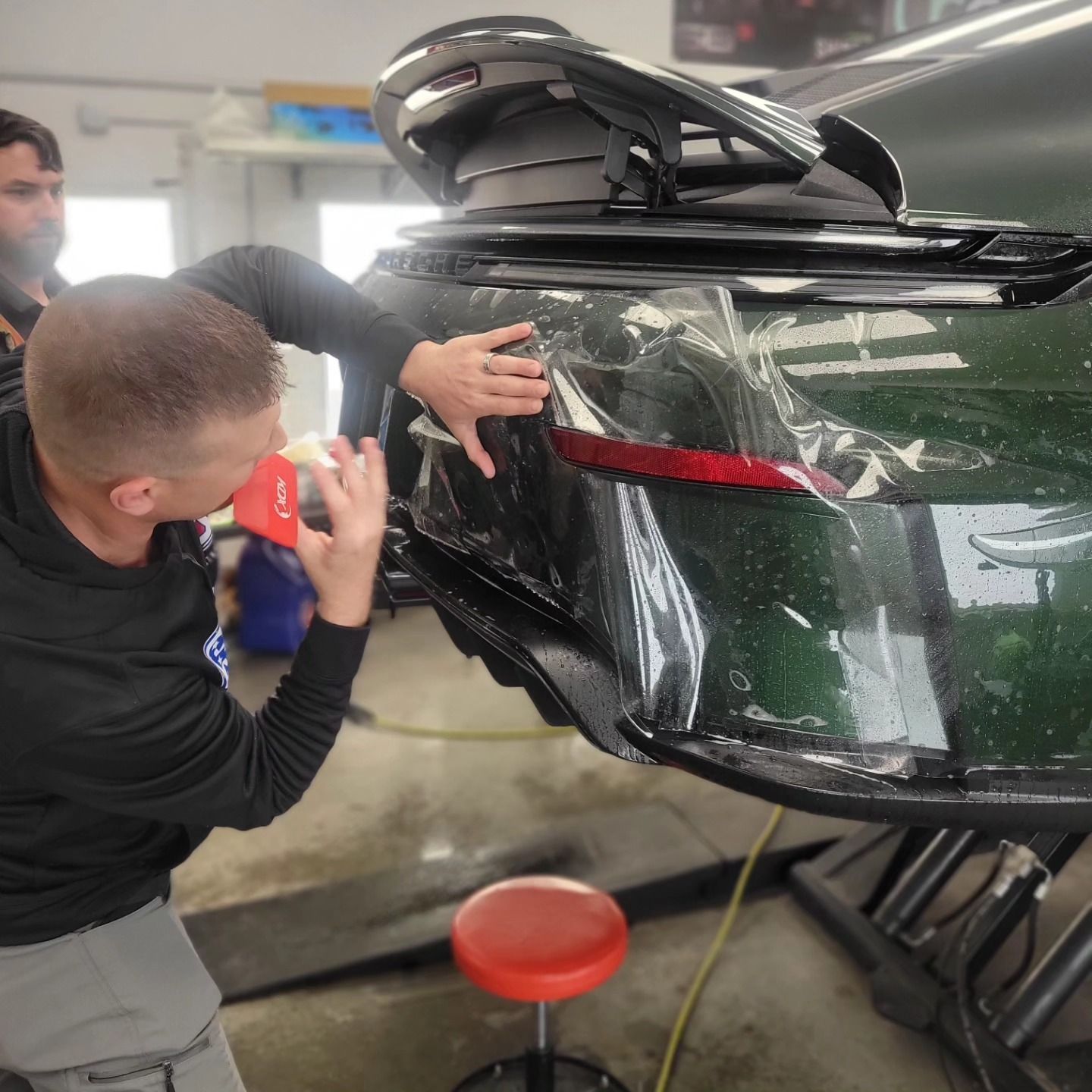
Paint protection film is a flexible, transparent protective layer installed over painted vehicle surfaces. It helps minimize direct contact between the paint and road debris.
When smaller stones strike the film, its construction helps absorb and distribute some impact energy, reducing the likelihood of paint damage.
Protection Against Stone Chips
PPF helps shield rocker panels from smaller gravel impacts encountered during everyday driving. However, larger stones or severe impacts may puncture the film or damage the underlying paint.
Reduced Surface Abrasion
Road grit and sand can gradually affect exposed painted surfaces. PPF provides an additional barrier that helps reduce direct abrasion during normal driving conditions.
Preserving Paint Appearance
Quality PPF allows the underlying paint color and finish to remain visible.
Some films also feature self-healing topcoats designed to reduce the appearance of minor surface marks when suitable conditions are met.
At ShineCo, we use SunTek Paint Protection Film to provide professional exterior protection for daily drivers, trucks, SUVs, and performance vehicles.
Does PPF Thickness Affect Rocker Panel Protection?
PPF thickness contributes to its protective performance, but thicker film does not automatically guarantee better results.
Automotive paint protection films are commonly made from thermoplastic polyurethane (TPU), a flexible material that conforms to vehicle contours.
Film thickness is typically measured in mils, with one mil equal to 0.001 inch. For example, 6-mil film measures approximately 0.15 millimeters, while 8-mil film measures approximately 0.20 millimeters.
Thicker options may provide additional material between road debris and paint, but actual protection depends on film construction, impact conditions, flexibility, and installation quality.
These measurements are general examples and do not represent specifications for every SunTek product.
Choosing the Right Rocker Panel PPF Coverage
Not every paint protection film package includes rocker panels. Some packages primarily protect front bumpers, hoods, mirrors, and fenders.
Drivers who frequently encounter gravel roads or construction debris may benefit from additional lower-body protection.
Common coverage options include:
- Rocker panel PPF: Protects the painted rocker panels along the lower sides of the vehicle.
- Rocker panels and lower doors: Extends protection to selected lower door surfaces exposed to road debris.
- Extended lower-body PPF: Covers additional vulnerable painted panels for broader protection.
Available coverage depends on vehicle design, film selection, and installation requirements.
Before choosing a package, ask which panels will be covered and how the film edges will be positioned.
Why Professional Rocker Panel PPF Installation Matters
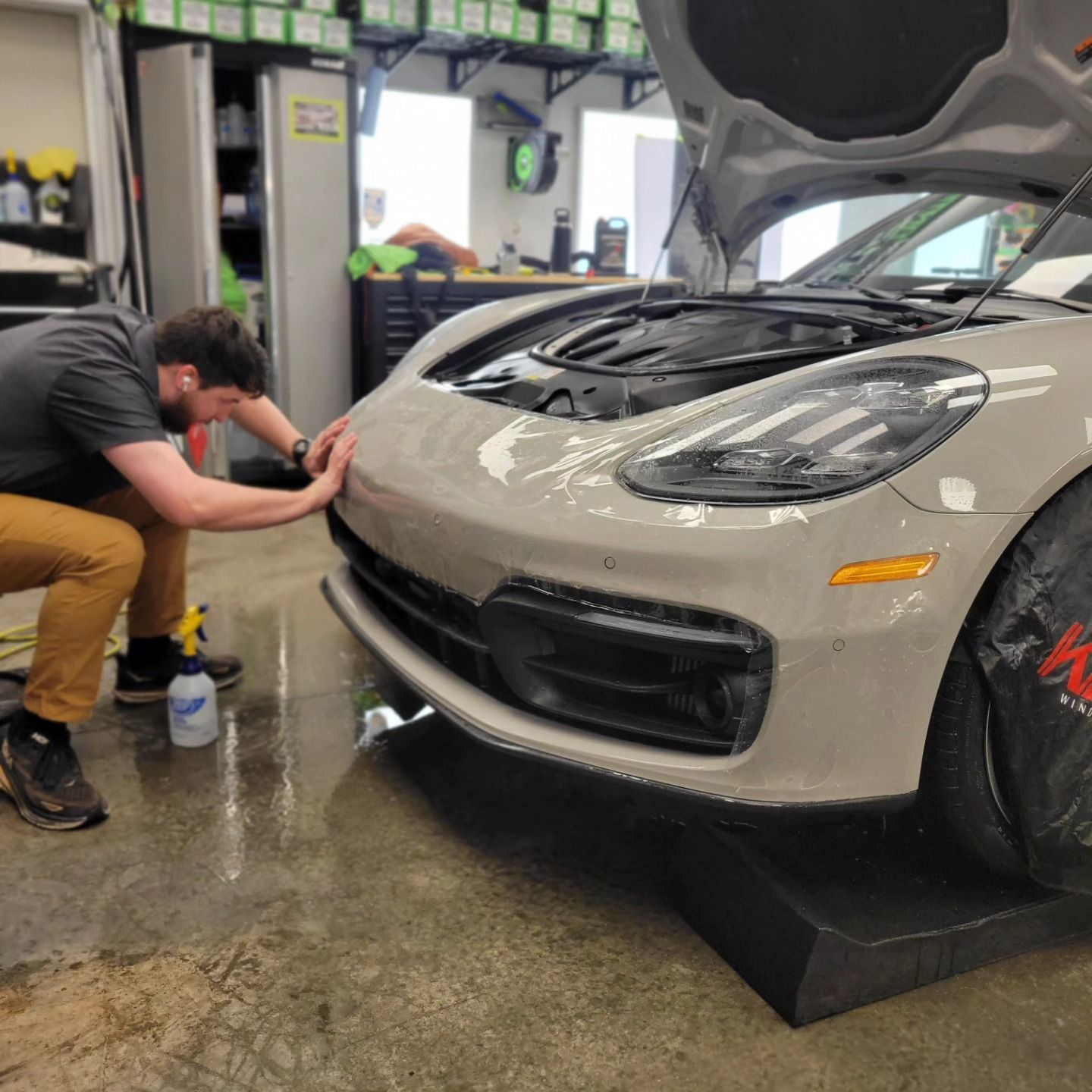
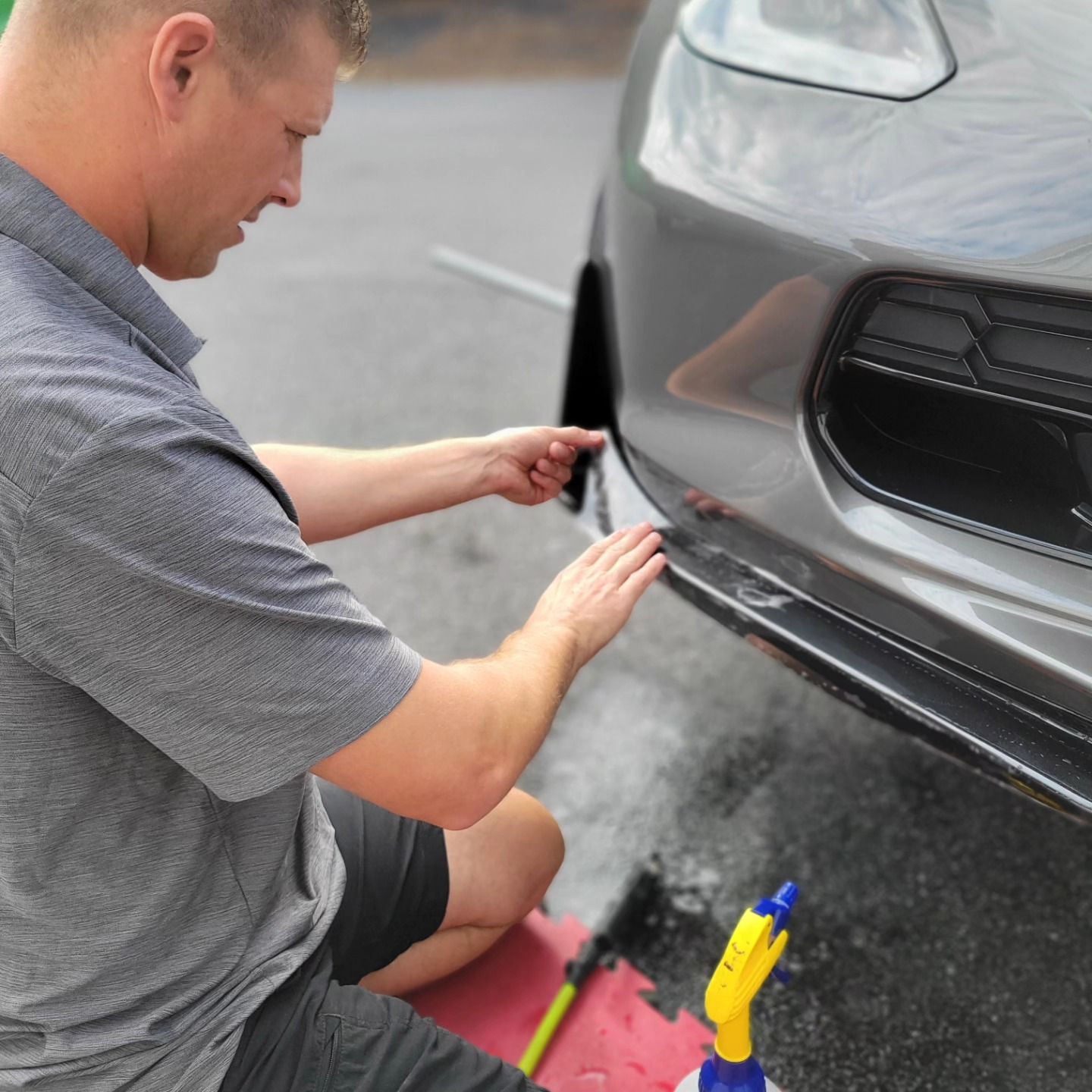
Rocker panels feature curves, seams, and edges that require precise film placement.
Professional installation helps minimize trapped contamination, visible imperfections, and premature edge lifting.
The process generally includes thorough surface cleaning, paint inspection, careful film positioning, and a final quality assessment.
Existing paint imperfections may need attention before installation. At ShineCo, we also provide professional paint correction services to address suitable surface imperfections.
Proper preparation and precise application help achieve a clean appearance and dependable protective coverage.
How to Maintain PPF on Rocker Panels
Regular maintenance helps preserve paint protection film and keep lower body panels looking their best.
Follow these practical recommendations:
- Rinse away loose gravel, dirt, and road contaminants before washing.
- Use automotive-safe shampoo and clean microfiber washing materials.
- Avoid abrasive brushes and aggressive scrubbing.
- Keep concentrated high-pressure water away from exposed film edges.
- Inspect the film periodically for lifting, punctures, or other damage.
- Follow the film manufacturer's recommended maintenance instructions.
After driving on gravel roads, cleaning lower vehicle panels can help prevent accumulated contaminants from affecting the film's appearance.
If your PPF develops tears or loose edges, contact a professional installer for an inspection.
Can PPF Completely Prevent Gravel Damage?
No. Paint protection film reduces the risk of stone chips and surface abrasion, but it cannot guarantee complete protection against every impact.
Large rocks, sharp debris, and repeated severe impacts can damage the protective film and potentially the paint underneath.
Film longevity depends on product quality, road exposure, maintenance, and installation conditions.
For drivers in Spartanburg and Greenville, professional PPF installation combined with regular vehicle care can help preserve vulnerable lower panels.
Protect Your Rocker Panels With SunTek PPF at ShineCo
Gravel road debris can gradually damage rocker panels, creating stone chips and other imperfections that affect your vehicle's appearance.
At ShineCo, we provide professional SunTek Paint Protection Film installation for vehicle owners throughout Spartanburg, Greenville, and surrounding Upstate South Carolina communities.
Whether you recently purchased a vehicle or want additional protection for your daily driver, our team can help you explore suitable PPF coverage options.
Ready to protect your vehicle from everyday road debris? Call ShineCo at 864-809-4385 or visit our paint protection film service page to request your free quote today.
Frequently Asked Questions About Rocker Panel PPF
How much does rocker panel PPF installation cost?
Pricing depends on your vehicle's size, film selection, coverage area, and installation complexity. Contact ShineCo for a personalized quote.
What thickness of PPF is best for rocker panels?
The appropriate thickness depends on film construction, driving conditions, and coverage requirements. Professional installation and material quality are equally important.
Does PPF protect rocker panels from gravel impacts?
Yes. PPF helps absorb smaller impacts and reduces direct abrasion from road debris. However, severe impacts can still cause damage.
How long does rocker panel PPF last?
Service life varies depending on the product, driving conditions, maintenance, and installation quality. Follow the manufacturer's care guidelines and applicable warranty terms.
Can PPF be installed over existing scratches or paint chips?
PPF may be installed over some existing imperfections, but damaged paint should be evaluated first. Minor surface imperfections may benefit from paint correction, while deeper chips may require separate repairs.
About the Author
Thomas Kyle Simpson
Thomas Kyle Simpson is the Owner of ShineCo LLC with over 20 years of experience in automotive detailing. Specializing in paint correction, ceramic coatings, and PPF, he leads a nationally recognized team committed to quality and customer satisfaction. His passion-driven approach continues to shape ShineCo’s reputation for excellence.