If you want your vehicle to look glossy and well cared for, you have probably considered waxing. Wax has been a trusted go-to for decades. But today, ceramic coatings have become one of the most popular upgrades for drivers who want longer-lasting protection and easier maintenance.
So which option is better for your vehicle, your budget, and your lifestyle?
The short answer is this: wax can improve shine and offer short-term protection, but ceramic coating provides stronger defense and longer-lasting results. If you drive around Spartanburg or Greenville, where sun exposure, road grime, and seasonal pollen can quickly dull your paint, the right choice makes a major difference.
At ShineCo, we offer professional ceramic coating installation in Spartanburg and Greenville, SC, including premium solutions like SB3 Ceramic Coating, designed to protect your paint and keep your vehicle looking its best year-round.
Quick Answer: Ceramic Coating vs. Wax
- Wax is best for: short-term shine, low upfront cost, and DIY-friendly applications
- Ceramic coating is best for: long-term protection, easier cleaning, and superior gloss enhancement
If you want protection that lasts for months, wax can be enough. If you want protection that lasts for years, ceramic coating is the clear winner.
What Is Car Wax?
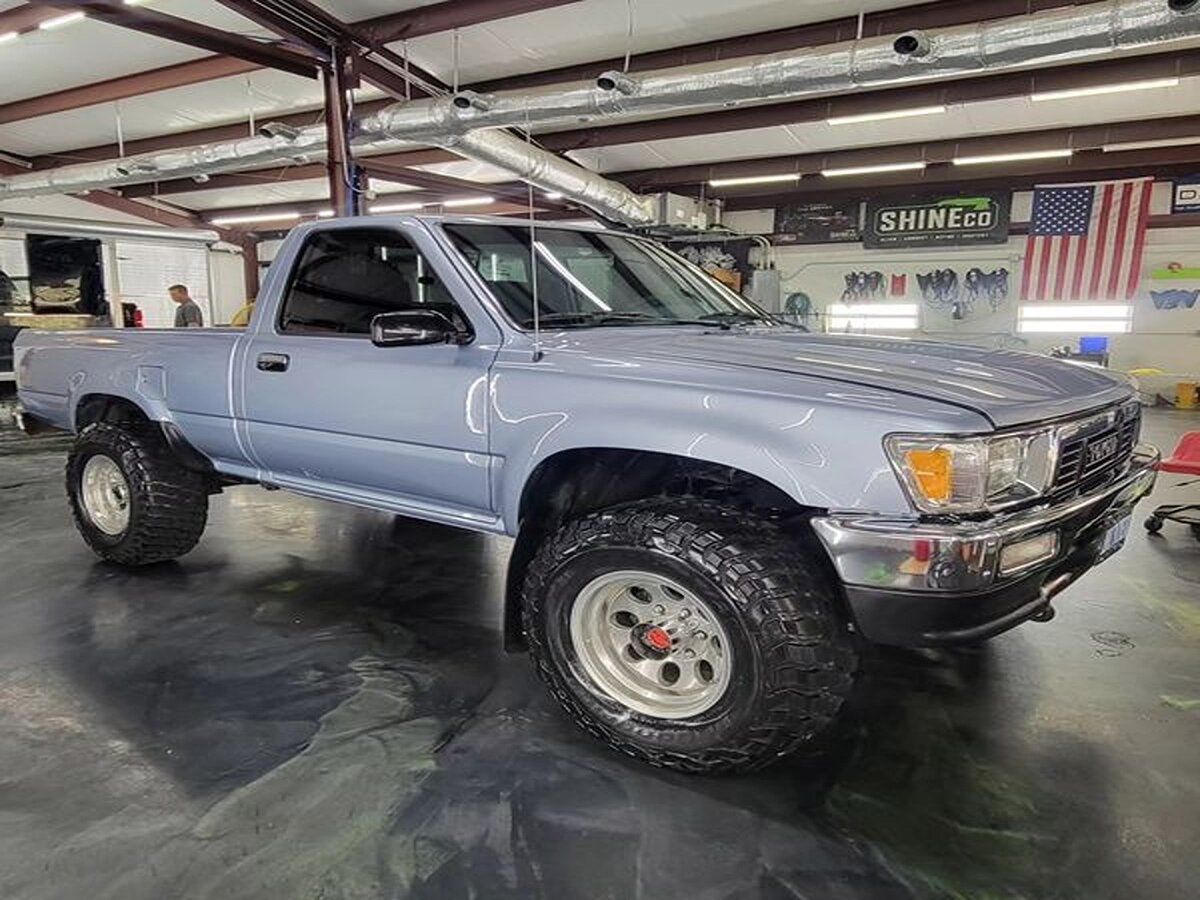
Car wax is a protective product applied to the surface of your vehicle’s paint. Most waxes are made from either natural carnauba wax or synthetic polymers. Wax adds shine, helps repel water, and provides a thin barrier against minor contaminants.
However, wax wears off quickly. Heat, rain, washing, and sunlight break it down over time, so it requires frequent reapplication.
Key Benefits of Wax
- Enhances shine quickly
- Affordable and widely available
- Easy for most vehicle owners to apply
- Provides mild protection against water and light contaminants
Downsides of Wax
- Typically lasts only 2 to 8 weeks
- Offers little resistance to scratches or swirl marks
- Requires regular upkeep and reapplication
- Weak against UV exposure and chemical contaminants
Wax can be a useful option for vehicle owners who want a temporary shine, especially before special events or seasonal touch-ups.
What Is Ceramic Coating?
Ceramic coating is a liquid polymer applied to your vehicle’s paint that bonds to the surface and forms a durable protective layer. Once cured, it creates a semi-permanent shield that helps protect against sun damage, oxidation, chemical staining, and surface contaminants.
Professional-grade ceramic coatings, such as SB3 Ceramic Coating, provide a much stronger and longer-lasting defense than traditional wax.
Key Benefits of Ceramic Coating
- Long-lasting protection, often 2 to 5+ years, depending on the product and maintenance
- Strong resistance to UV fading and oxidation
- Hydrophobic properties that repel water and reduce buildup
- Improved gloss and depth, especially on darker paint colors
- Helps reduce staining from bird droppings, bug residue, and tree sap
Downsides of Ceramic Coating
- Higher upfront cost compared to wax
- Requires professional prep work for best results
- Not a replacement for Paint Protection Film (PPF) in high-impact areas
Ceramic coating is ideal for drivers who want their vehicle to look better long-term while reducing the need for frequent washing and detailing.
Ceramic Coating vs. Wax: Side-by-Side Comparison
Ceramic coating and wax both improve your vehicle’s appearance and provide a layer of protection, but they differ significantly in performance, longevity, and overall value. Ceramic coating is designed for long-term protection, typically lasting two to five or more years, while wax usually lasts only two to eight weeks before it needs to be reapplied. In terms of protection strength, ceramic coating provides a stronger barrier against environmental contaminants, UV exposure, and chemical staining, whereas wax offers lighter, short-term protection that is considered low to moderate.
Ceramic coating also provides stronger UV resistance, helping reduce fading and oxidation over time, while wax offers only limited UV defense. When it comes to scratch resistance, ceramic coating helps reduce minor marring and swirl marks, though it does not prevent rock chips or deep scratches. Wax, on the other hand, offers minimal scratch resistance and mainly serves as a temporary surface enhancer. Hydrophobic performance is another major difference. Ceramic coating creates an excellent water-repellent surface that helps water, dirt, and grime slide off more easily, while wax provides moderate water beading that weakens as the product wears down.
Maintenance is often easier with ceramic coating over time because the vehicle stays cleaner longer and washing requires less effort. Wax requires more frequent upkeep since protection and shine fade quickly. Finally, cost is a deciding factor for many vehicle owners. Ceramic coating costs more upfront due to the product quality and preparation involved, but it generally provides better value over time. Wax has a lower upfront cost, but the need for repeated applications can make it more expensive in the long run.
Real-World Performance in Spartanburg and Greenville
Upstate South Carolina presents unique challenges for paint maintenance. Many vehicle owners in Spartanburg and Greenville deal with:
- strong sun exposure that fades paint over time
- heavy pollen buildup in spring
- frequent rain and humidity that contribute to water spotting
- road grime and debris on I-85, especially around construction zones
- bug splatter and tar during peak driving seasons
Wax can help temporarily, but ceramic coating offers more durable protection, especially for vehicles driven daily or parked outdoors.
If your vehicle is frequently exposed to outdoor elements, ceramic coating typically provides better value over time, even with higher initial pricing.
Ceramic Coating Pricing vs. Wax Cost: What to Expect
Wax is affordable, but the cost adds up when applied repeatedly. Ceramic coating costs more upfront, but you may not need another coating for several years when maintained properly.
Wax Cost Considerations
- DIY wax is low-cost, but requires time and proper technique
- Professional waxing costs more and must be repeated regularly
- Ongoing maintenance becomes more frequent in hot climates
Ceramic Coating Cost Considerations
- Pricing varies based on vehicle size, paint condition, and coating level
- Paint correction may be needed beforehand for optimal results
- Stronger coatings last longer and provide higher value over time
At ShineCo, we provide transparent consultation and can recommend the best ceramic coating package based on how you drive, where you park, and what level of shine and protection you want.
Do You Need Paint Correction Before Ceramic Coating?
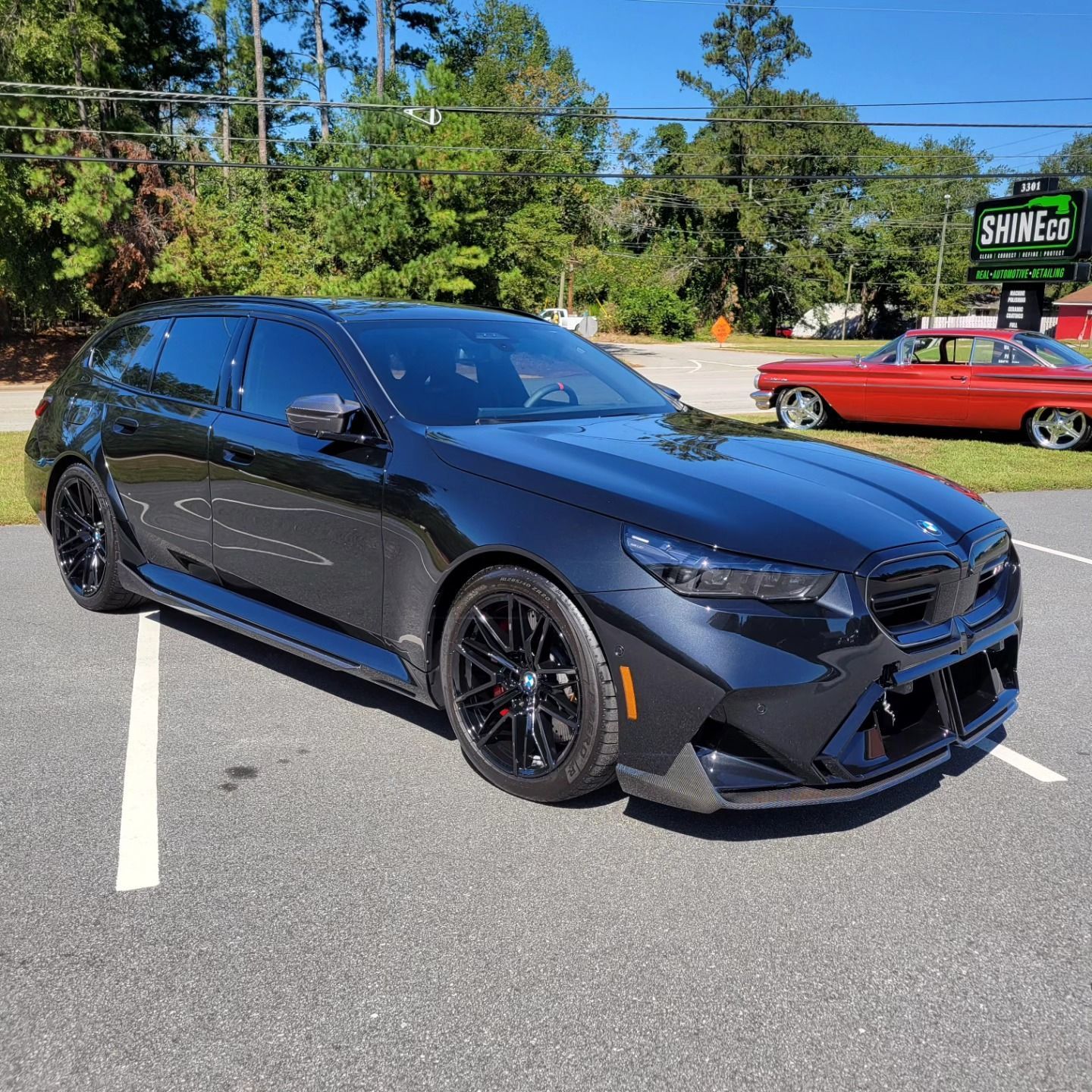
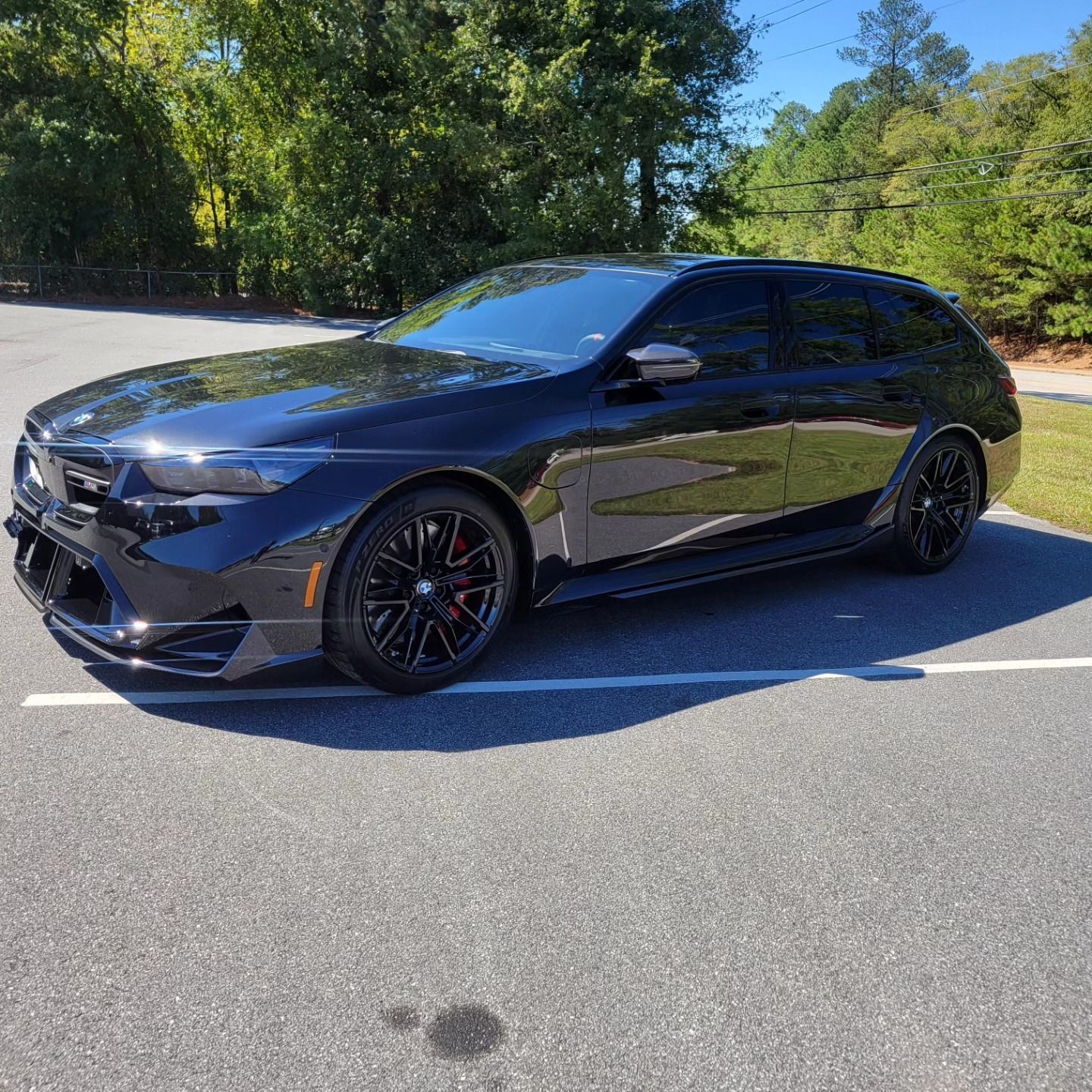
In many cases, yes. Ceramic coating locks in the condition of your paint. If you apply it over swirl marks, scratches, or oxidation, those imperfections remain visible beneath the coating.
That is why professional ceramic coating installation often includes paint correction. This step involves polishing the paint to remove defects and restore clarity, giving the ceramic coating a smooth surface to bond to.
At ShineCo, we evaluate your paint condition during consultation and recommend correction services when needed for best results.
Wax Still Has a Place, but Ceramic Coating Wins for Long-Term Protection
Wax can still be helpful for:
- budget-conscious vehicle owners
- quick shine before an event
- short-term seasonal protection
However, ceramic coating is the better choice if you want:
- long-lasting protection
- easier washing and reduced maintenance
- stronger resistance to UV damage and chemical stains
- better long-term appearance and resale value
For most drivers in Spartanburg and Greenville, ceramic coating provides a better return, especially with professional installation and proper care.
Why ShineCo Recommends SB3 Ceramic Coating
SB3 Ceramic Coating is designed for durability, gloss enhancement, and advanced hydrophobic performance. It is a strong option for drivers looking for premium protection without the constant upkeep of waxing.
Benefits of SB3 ceramic coating installation include:
- improved gloss and paint depth
- reduced contaminants sticking to the surface
- strong UV and chemical resistance
- long-term durability when properly maintained
If you are looking for SB3 Ceramic Coating in Spartanburg, ShineCo can help you choose the right package based on your goals and your vehicle’s condition.
Want a Quote?
If you are tired of constant waxing and want protection that lasts, ShineCo offers ceramic coating services in Spartanburg and Greenville.
Call now for a free consultation: (864) 809-4385
Visit
goshineco.com
FAQ: Ceramic Coating vs. Wax
How long does ceramic coating last?
Most professional ceramic coatings last 2 to 5+ years, depending on the product and maintenance.
How often should you wax your vehicle?
Most waxes need reapplication every 1 to 2 months, and often more frequently in high heat or heavy weather conditions.
Does ceramic coating prevent scratches?
Ceramic coating helps resist light swirl marks and minor marring, but it does not stop rock chips or deeper scratches. For impact protection, PPF is recommended.
Is ceramic coating worth the price?
For many vehicle owners, yes. Ceramic coating reduces maintenance, improves appearance, and protects paint for years. That often makes it more cost-effective than frequent waxing over time.
Can you apply ceramic coating yourself?
DIY kits exist, but professional installation typically provides better longevity, appearance, and warranty protection. Proper paint prep is also critical.
Protect Your Vehicle With ShineCo in Spartanburg and Greenville, SC
If you want your vehicle to look better, stay cleaner, and remain protected for years, ceramic coating is a smart upgrade. ShineCo provides expert automotive ceramic coating installation backed by professional prep work, quality products, and careful attention to detail.
We also offer:
- Paint Protection Film (PPF)
- window tinting
Ready to protect your paint?
Call ShineCo today: (864) 809-4385
Visit goshineco.com
Serving Spartanburg and Greenville, SC
About the Author
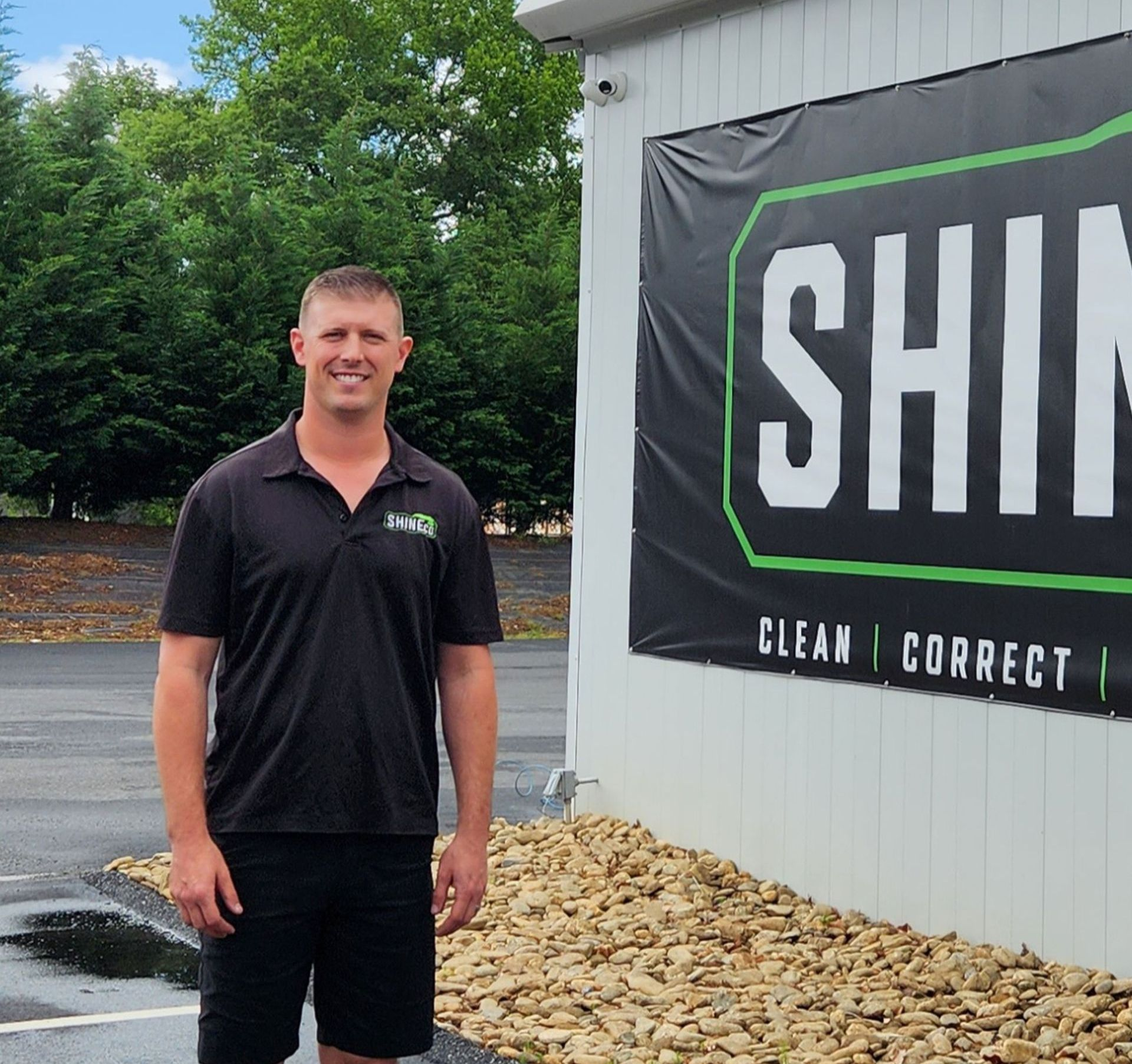
Thomas Kyle Simpson
Thomas Kyle Simpson is the Owner of ShineCo LLC with over 20 years of experience in automotive detailing. Specializing in paint correction, ceramic coatings, and PPF, he leads a nationally recognized team committed to quality and customer satisfaction. His passion-driven approach continues to shape ShineCo’s reputation for excellence.