Protecting your vehicle’s paint should feel straightforward. You choose a ceramic coating, paint protection film (PPF), or both, and expect long-term results. In reality, the order and method of installation can determine whether your protection lasts for years or starts failing within months.
Many vehicle owners in Spartanburg and Greenville, SC invest in ceramic coatings and PPF to keep their cars looking newer, reduce paint damage from road debris, and make washing easier. However, layering these products incorrectly can lead to bubbling, discoloration, visible marks, and premature failure. In some cases, improper installation can also void warranties.
At ShineCo, we regularly help drivers avoid these issues by following the correct sequence and focusing on clean preparation, proper curing, and professional installation standards. If you are considering ceramic coating and PPF together, understanding the correct layering order is one of the most important steps you can take before booking an appointment.
Key takeaway: PPF should be applied first, directly on the paint. Ceramic coating should be applied after, on top of the film.
Why Layering Matters in Vehicle Protection
Ceramic coating and PPF are often discussed as if they do the same job. They do not. They work best when used together in a layered system, where each product supports the other.
Ceramic coatings are designed to provide:
- A slick, hydrophobic surface that repels water and grime
- Protection from chemical staining, UV exposure, and oxidation
- Easier cleaning and reduced surface friction during washing
Paint protection film (PPF) is designed to provide:
- A physical barrier against rock chips and road debris
- Protection from minor scratches and scuffs
- Self-healing properties on many premium films
The reason layering matters is simple. PPF is meant to bond directly to paint. Ceramic coating is meant to bond to the surface it is applied to, which can be clear coat or film. If the order is reversed and PPF is installed over a ceramic-coated surface, the film may not adhere properly. Over time, this can cause lifting edges, bubbling, or delamination.
In Upstate South Carolina, this matters even more. Heat, humidity, and frequent rain cycles can accelerate failures when the surface is not prepared correctly or when products are installed in the wrong sequence. Many vehicle owners first notice issues after seasonal weather changes, especially after the first few washes or long highway drives on I-85.
A properly layered system creates better long-term protection, better appearance, and fewer maintenance issues. A poorly layered system creates expensive rework.
Common Mistakes That Cause Layering Failure
Most ceramic coating and PPF failures do not happen because the products are “bad.” They happen because the installation process is rushed, performed in the wrong order, or completed without proper surface prep.
Mistake 1: Applying Ceramic Coating Before PPF
This is the most common sequencing error. Ceramic coatings create a slick, hardened surface that can interfere with the adhesive bond of PPF. Even if the film looks fine immediately after installation, the risk of failure increases over time as the vehicle experiences heat cycles, rain, and washing.
If the film does not fully bond, you may see:
- Bubbles forming under the film
- Edges lifting around panels and trim
- Premature discoloration or hazy patches
Mistake 2: Contamination Under the Film
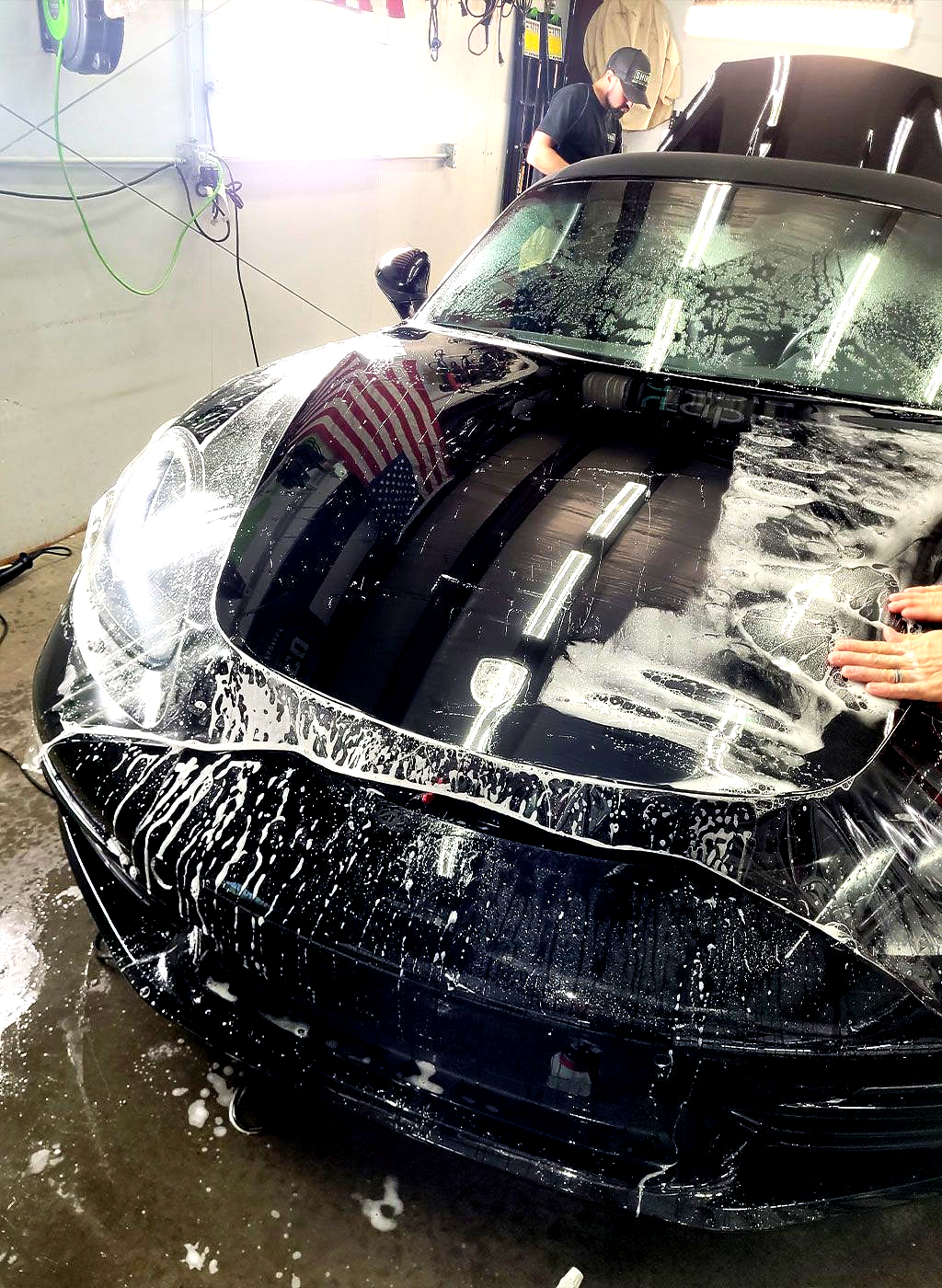
PPF is installed using slip solutions, squeegees, and controlled pressure. If the surface is not perfectly clean, contamination can become trapped under the film and remain visible permanently.
Common contaminants include:
- Oils from hands or detailing products
- Dust and debris in the install environment
- Wax, silicone, or leftover residues
This is one reason many warranties become difficult to use. Manufacturers may deny claims when staining or discoloration is linked to contamination, even when the owner did not cause it.
Mistake 3: Skipping Paint Correction When Needed
A major misconception is that ceramic coating or PPF will “hide” swirl marks. In reality, these protective layers lock in what is already there. If a vehicle has swirl marks, water spots, oxidation, or light scratches, those defects can remain visible under the coating or film.
For many vehicles, especially darker colors, paint correction is the step that separates an average result from a truly high-end finish.
Mistake 4: Ignoring Curing Times
Both PPF and ceramic coatings require curing time. Installing too quickly or layering too soon can cause adhesion issues and uneven bonding.
A professional shop will:
- Allow PPF to settle and cure before coating
- Follow manufacturer guidelines for temperature and humidity
- Avoid rushing the vehicle out the door before the job is stable
Proper Layering Sequence Explained
If you want ceramic coating and PPF to perform as a true protection system, the order matters. Here is the correct sequence used by reputable installers.
Step 1: Thorough Surface Preparation
Surface prep is non-negotiable. This includes:
- A deep wash and decontamination
- Chemical removal of embedded contaminants
- Clay bar treatment if needed
- Panel wipe and degreasing to remove residues
If the surface is not clean, the film can trap debris and the ceramic coating may not bond correctly.
Step 2: Paint Correction (When Needed)
Paint correction is not required for every vehicle, but it is highly recommended when:
- The paint has swirl marks
- The finish looks dull or hazy
- The vehicle has water spot etching
- The owner wants a high-gloss finish
Correcting the paint before protection is applied ensures the coating and film enhance the vehicle instead of locking in defects.
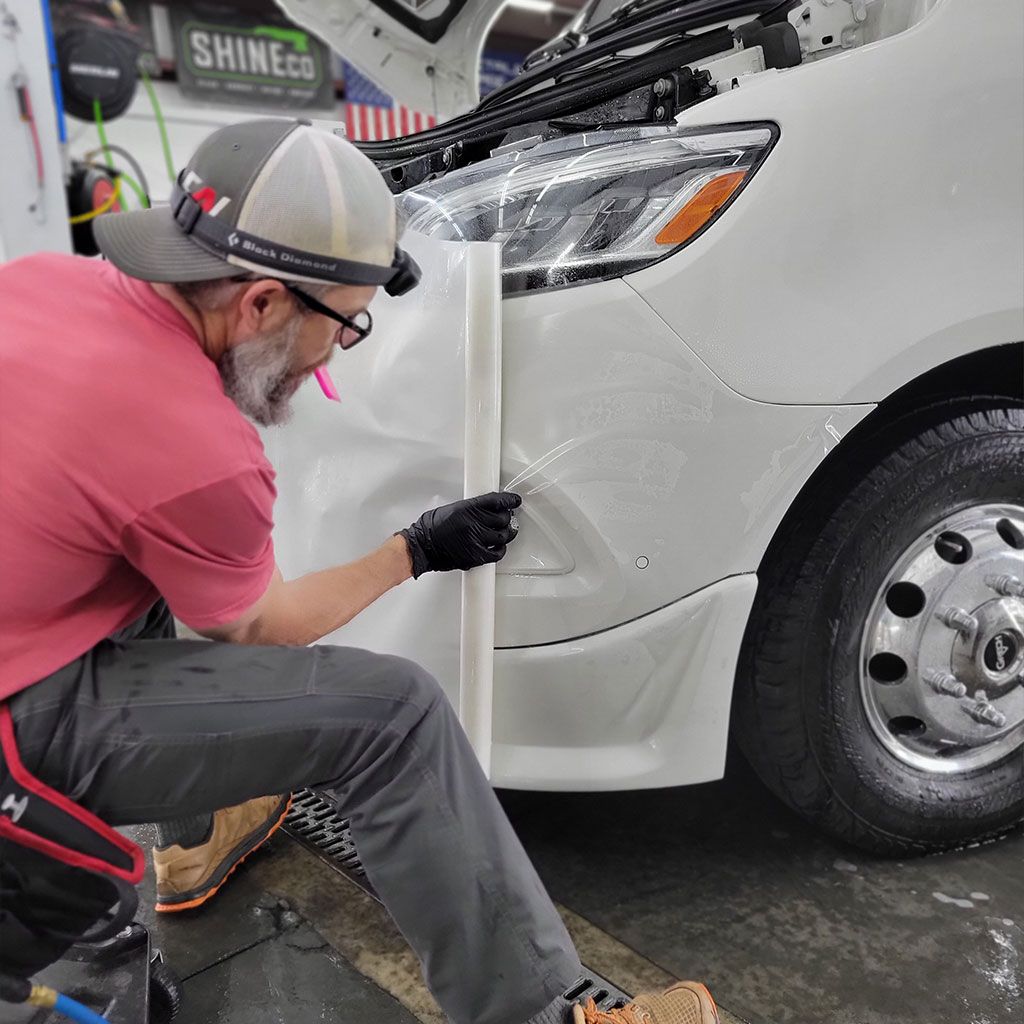
Step 3: Apply Paint Protection Film First
PPF should always go directly on the paint. This gives the adhesive the best possible surface for bonding.
Professional PPF installation should include:
- Controlled indoor environment
- Clean, dust-managed workspace
- Proper alignment and edge finishing
- Careful squeegee technique to avoid trapped solution
After installation, the film must settle and cure before the next layer.
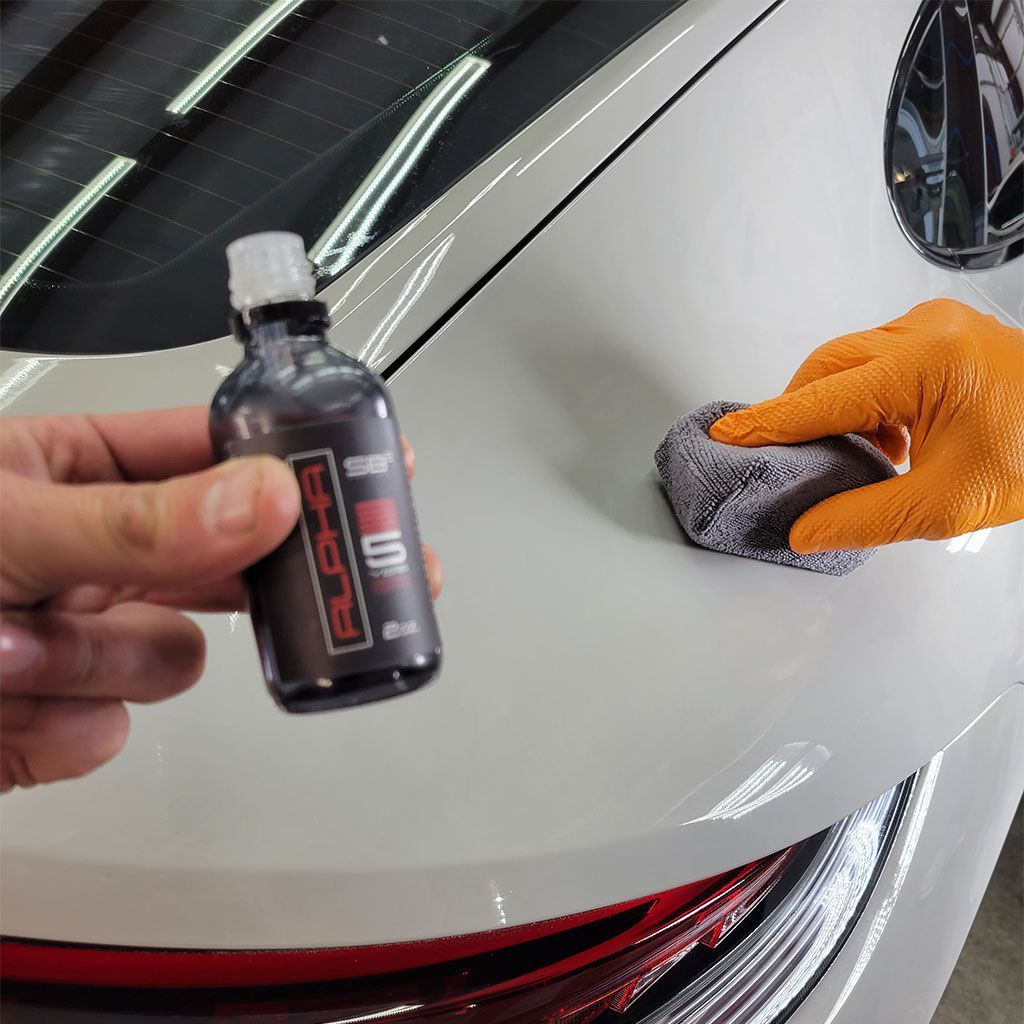
Step 4: Apply Ceramic Coating Over the PPF
Once the PPF has cured, ceramic coating can be applied on top. This provides additional benefits, including:
- Enhanced hydrophobic performance
- Easier washing and reduced dirt buildup
- Added UV resistance for the film and paint
- A more uniform gloss across protected areas
This is the correct method if you want both rock chip protection and long-term surface protection.
Identifying Installation Defects (What to Look For)
Some installation issues appear quickly. Others show up after weeks or months. Knowing what to look for can help you address problems early, while corrections are still possible.
Common signs of PPF or ceramic coating failure include:
- Bubbling under the film: Often caused by poor adhesion, trapped debris, or incorrect sequencing
- Lifting edges: A sign the film did not bond properly or was installed over a surface it could not adhere to
- Cloudy or hazy patches: Can indicate contamination, trapped moisture, or improper curing
- Staining or discoloration: Often linked to contaminants trapped under film or improper aftercare
If you notice any of these issues, contact your installer quickly. Waiting often allows the defect to worsen and makes repairs more expensive.
Qualified Installers: What to Look For
Choosing the right installer is just as important as choosing the right products. Many failures happen because the shop does not follow best practices for preparation, sequencing, or curing.
When selecting a shop in Spartanburg or Greenville, look for:
- Certification with recognized brands (when applicable)
- A portfolio of real, close-up work
- Clear warranty explanations
- Consistent customer reviews mentioning long-term results
- A clean install environment
A reputable shop should also explain the process confidently and answer questions without vague responses.
At ShineCo, we focus on correct sequencing, clean preparation, and professional installation standards because that is what protects your vehicle long-term.
Maintenance Tips for Long-Lasting Protection
Even the best ceramic coating and PPF installation needs proper maintenance. The goal is not perfection. The goal is consistent care that protects your investment.
Best practices for maintaining ceramic coating and PPF:
- Wash every 1 to 2 weeks with a pH-neutral car shampoo
- Use the two-bucket wash method to reduce swirl risk
- Avoid automatic brush car washes
- Use clean microfiber towels for drying
- Avoid harsh chemicals unless approved for coated surfaces
Professional inspections
A yearly inspection can help:
- Identify edge lift early
- Remove embedded contaminants safely
- Maintain the coating’s performance
- Protect the appearance of the film
If you want maximum longevity, parking indoors or in shade also helps reduce UV exposure and environmental wear.
Protect Your Investment with ShineCo
If you are considering ceramic coating, PPF, or both, ShineCo provides professional installation for drivers throughout Spartanburg and Greenville, SC. We install protection the right way, with proper surface preparation, correct layering order, and careful curing to reduce failures and deliver long-lasting results.
Ready to protect your paint properly?
Contact ShineCo to schedule a consultation:
https://www.goshineco.com/contact
Or call (864) 809-4385
About the Author
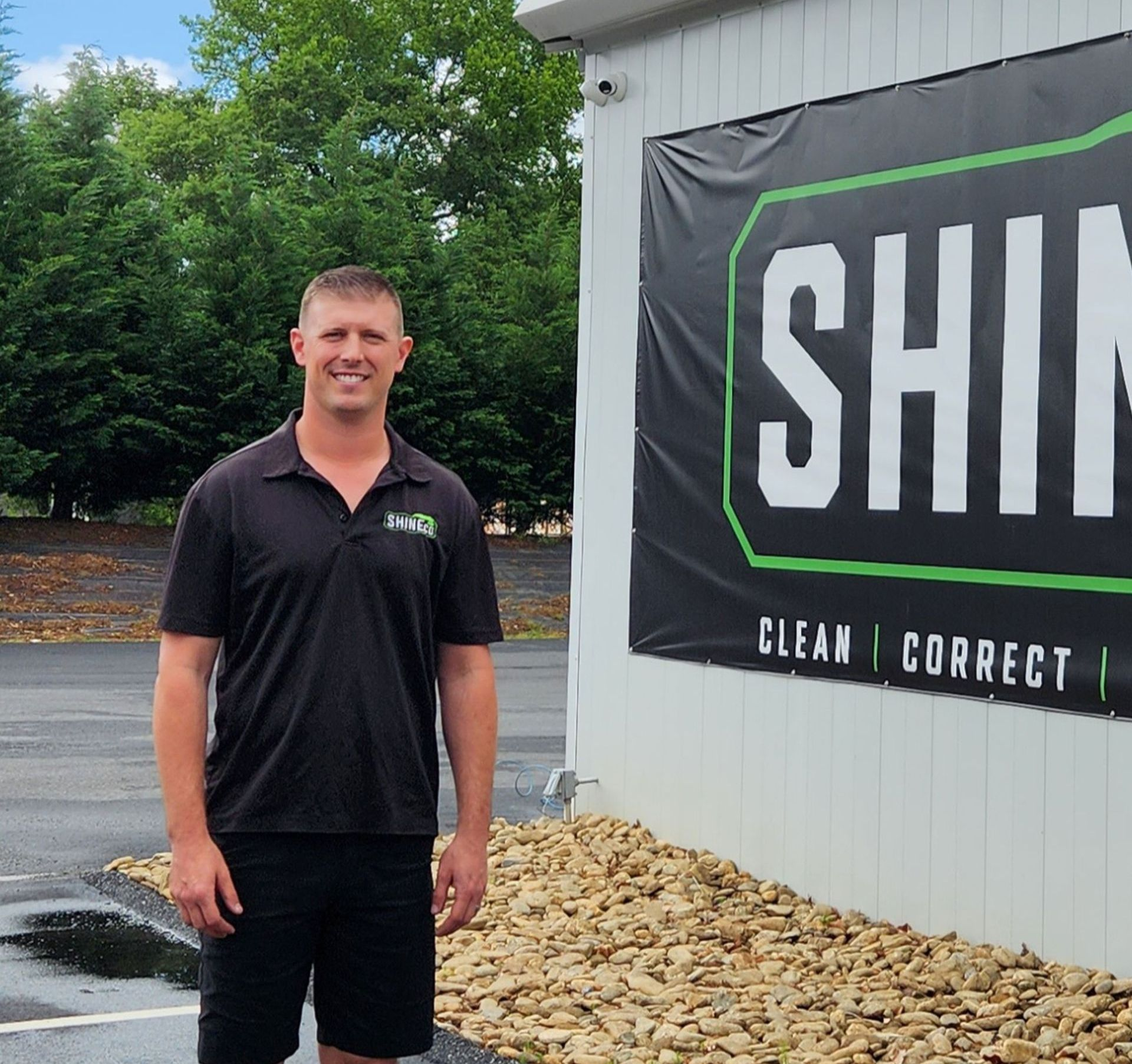
Thomas Kyle Simpson
Thomas Kyle Simpson is the Owner of ShineCo LLC with over 20 years of experience in automotive detailing. Specializing in paint correction, ceramic coatings, and PPF, he leads a nationally recognized team committed to quality and customer satisfaction. His passion-driven approach continues to shape ShineCo’s reputation for excellence.