Ceramic coatings are one of the best ways to protect your vehicle’s paint, boost gloss, and make washing easier. But when a ceramic coating fails, the results can be frustrating and expensive. Instead of a slick, glass-like finish, you may notice streaks, high spots, hazing, patchy gloss, or water that no longer beads like it used to.
For drivers in Spartanburg and Greenville, SC, ceramic coating performance can be impacted by heat, humidity, pollen, and daily road grime. The good news is that most coating issues are preventable, and many can be corrected without starting from scratch.
In this guide, you will learn what ceramic coating failure looks like, what causes it, how professionals fix it, and how to keep your coating performing at its best for years.
If you need help correcting ceramic coating problems or want a professional inspection,
ShineCo offers expert ceramic coating services, paint correction, PPF, and window tinting in Spartanburg, SC and the surrounding Upstate area.
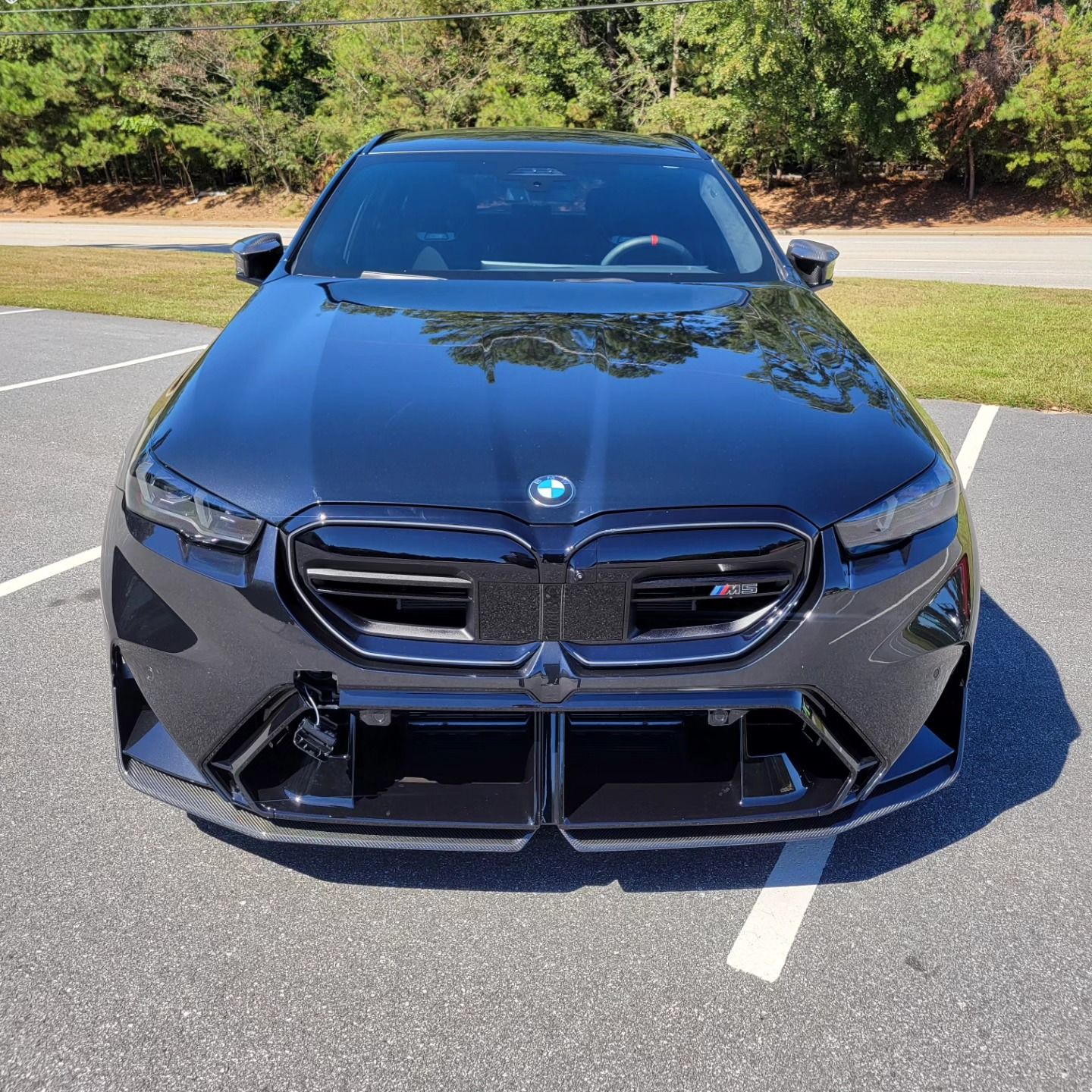
What Ceramic Coating Failure Looks Like
Ceramic coating failure does not always mean the coating is completely gone. In many cases, the coating is still present but has imperfections caused by application errors, environmental exposure, or improper maintenance.
Here are common signs of ceramic coating issues:
- High spots or streaks that look like glossy lines or patches under certain lighting
- Hazing or cloudy areas that reduce clarity and shine
- Uneven gloss where some areas look dull compared to others
- Water no longer beads or sheets like it did after installation
- Rough texture from bonded contamination (even if the coating is still intact)
- Patchy protection where the coating seems inconsistent panel to panel
If you are noticing any of these problems, it is worth having the coating inspected. In many cases, ShineCo can correct the issue with targeted polishing and reapplication instead of removing everything.
The Most Common Causes of Ceramic Coating Problems
Ceramic coatings are durable, but they are not forgiving. The most common failures happen during installation, especially with DIY applications.
1) Poor leveling during application
Leveling is the step where excess coating is removed and the surface is buffed evenly. If the coating is not leveled correctly, high spots form and harden quickly. Once cured, those high spots often require polishing to remove.
2) Incorrect lighting during installation
Lighting is one of the biggest reasons high spots get missed. Direct sunlight causes glare, and dim garage lighting can hide streaks. The best environment is bright, even lighting where reflections are easy to read.
This matters even more in South Carolina, where heat can shorten the coating’s flash time.
3) Waiting too long to wipe the coating
Most ceramic coatings flash quickly, especially in warm or humid conditions. If the coating is left too long before leveling, it can harden and become difficult to remove cleanly. This leads to streaking, haze, and uneven finish.
4) Poor towel choice or contaminated microfiber
Low-quality microfiber towels can leave lint, drag marks, or residue. Even worse, a towel that has been used previously may contain debris that causes micro-scratching during leveling.
5) Incomplete surface prep
Surface preparation is not optional. Ceramic coatings lock in whatever is underneath them. If the paint has swirls, oxidation, water spots, or contamination, the coating can amplify those defects instead of hiding them.
This is why professional ceramic coating installations often include paint correction before the coating is applied.
How Ceramic Coating Failure Is Fixed (Professional Approach)
If you suspect ceramic coating failure, the best first step is inspection. ShineCo inspects coating issues under proper lighting to determine whether the coating is:
- unevenly applied
- contaminated
- partially failing
- completely degraded
From there, correction usually follows a tiered approach.
Step 1: Identify the problem areas
Coating issues are often most visible under controlled lighting. High spots and haze can be difficult to see outside, so professionals inspect under multiple angles and light sources.
Step 2: Light polishing for high spots and haze
In many cases, ceramic coating issues can be corrected with gentle polishing. This levels the surface and removes the defect without stripping the entire coating.
This is especially effective when:
- high spots are localized
- haze is mild
- the coating is relatively new
Step 3: Paint correction when defects are deeper
If the coating has hardened unevenly, or if the paint underneath has visible swirls or damage, more advanced correction may be needed. This is where professional tools and experience matter.
A controlled paint correction process can restore clarity and create a smooth surface for recoating.
Step 4: Reapplication in targeted areas
If the coating has been removed during correction, it may need to be reapplied. A professional approach usually focuses on panel-by-panel application and strict timing based on temperature and humidity.
In Spartanburg and Greenville, where humidity is common, timing adjustments are critical to avoid repeat failures.
Can You Fix Ceramic Coating Failure Yourself?
Some minor coating issues can be corrected with the right tools and experience. However, there is a point where DIY attempts often make the problem worse.
DIY fixes are most risky when:
- the coating has cured for more than a day or two
- the haze is widespread
- the paint underneath is damaged
- aggressive polishing is required
If you are unsure, it is usually more cost-effective to have the coating inspected by a professional. ShineCo can often correct the coating without requiring full removal, which saves time and protects the integrity of the paint.
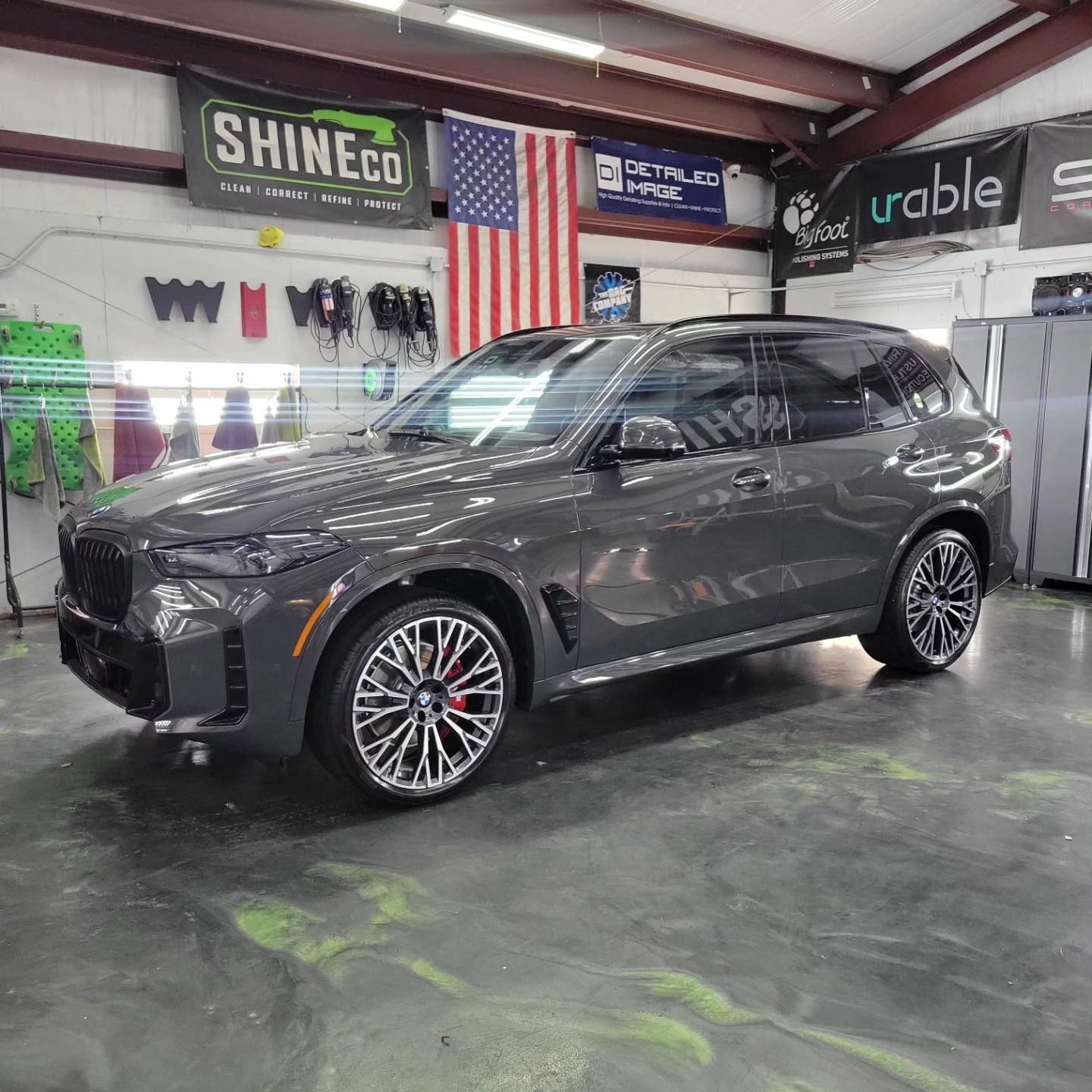
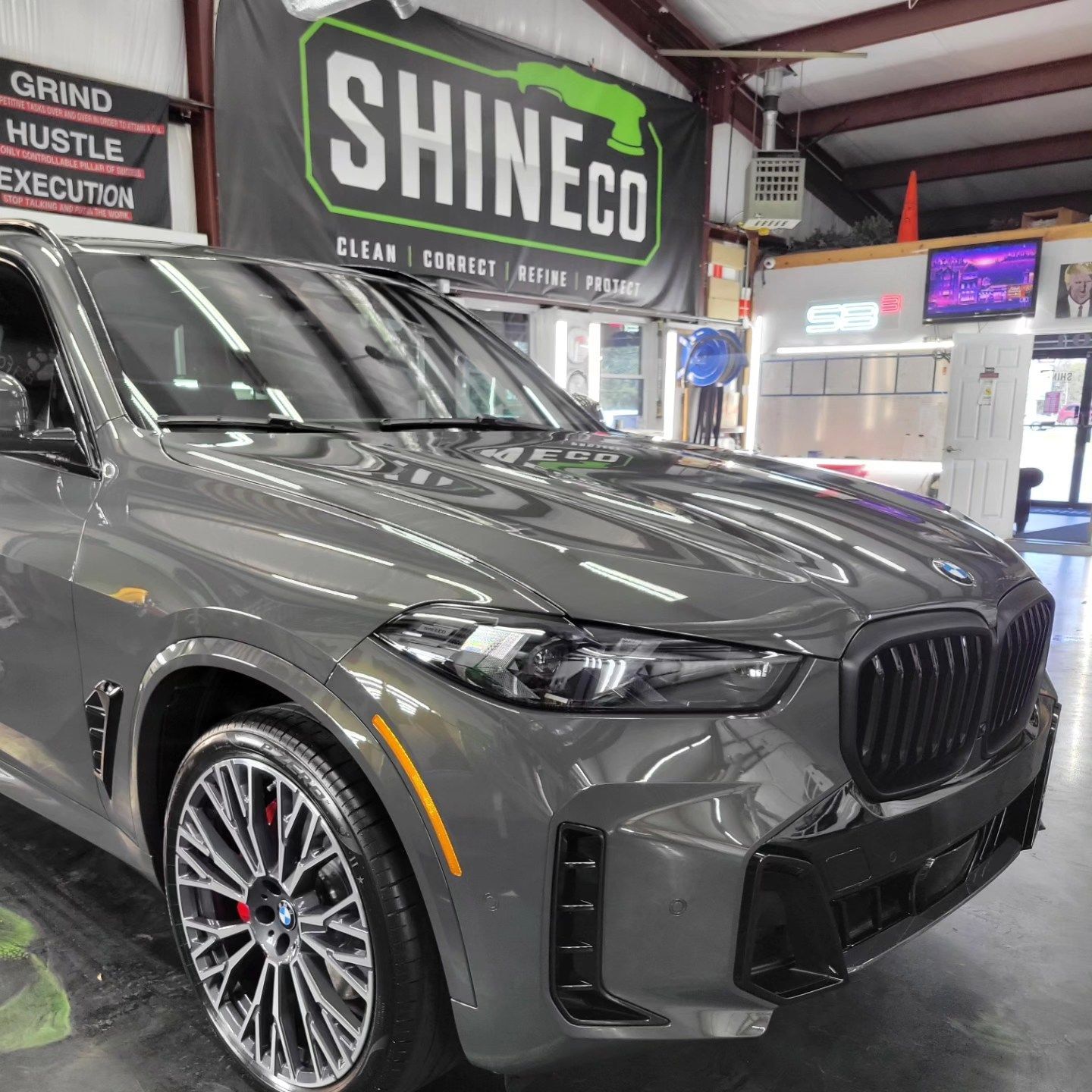
How to Prevent Ceramic Coating Failure
Prevention is always easier than correction. Whether you are maintaining an existing ceramic coating or planning to have one installed, these practices make a major difference.
1) Invest in proper surface preparation
The coating is only as good as the surface beneath it. A professional ceramic coating service should include:
- thorough wash and decontamination
- clay bar treatment when needed
- paint correction (when appropriate)
- panel wipe prep before coating
If these steps are skipped, coating failure becomes much more likely.
2) Protect the coating during curing
Ceramic coatings need time to bond. Many coatings require:
- at least 24 hours protected from moisture and dust
- up to 2 to 3 weeks for full chemical curing
During this time, avoid washing the vehicle unless your installer provides specific guidance.
3) Avoid harsh washing methods
Automatic car washes with brushes can damage the coating and introduce swirls into the paint. Even touchless washes may use harsh chemicals that degrade ceramic coatings over time.
For best results, use handwashing methods with ceramic-safe products.
4) Use coating-safe maintenance products
A pH-neutral shampoo and clean microfiber towels are essential. Some ceramic coating toppers and maintenance sprays can also help reinforce hydrophobic performance, but they should be compatible with the coating.
If ShineCo installs your coating, ask what maintenance products they recommend for your specific system.
Maintaining Your Ceramic Coating in Spartanburg and Greenville, SC
The Upstate climate creates specific challenges for ceramic coatings, especially for daily drivers.
Here are the most common threats in Spartanburg and Greenville:
- summer heat that accelerates chemical wear
- humidity that affects drying and maintenance routines
- heavy pollen that bonds to surfaces
- bug splatter during warm seasons
- road grime and brake dust from commuting
To keep your coating performing well, wash your vehicle every one to two weeks depending on exposure. Use a safe washing method, and remove contaminants like bird droppings and sap quickly.
Annual inspections are also a smart strategy. A professional can identify early coating wear and recommend targeted maintenance before protection drops significantly.
When It Makes Sense to Consult a Professional Detailer
Ceramic coatings are a premium investment. If the finish looks uneven or the coating performance has dropped, professional help is often the fastest and safest option.
You should consult a professional if:
- haze or streaking is visible across multiple panels
- water behavior has changed dramatically
- the coating looks patchy or inconsistent
- the vehicle has swirl marks or oxidation under the coating
- you want to recoat the vehicle properly
ShineCo specializes in ceramic coating correction, paint correction, and long-term protection solutions designed for upstate SC driving conditions.
Ceramic Coating, Paint Correction, PPF, and Window Tinting in Spartanburg, SC
If your ceramic coating is failing or you want professional-grade protection installed correctly the first time, ShineCo can help.
We provide:
- ceramic coating installation and maintenance
- paint correction for swirls, haze, and oxidation
- paint protection film (PPF) for high-impact areas
- window tinting for comfort, privacy, and UV protection
ShineCo is based in Spartanburg, SC and proudly serves Greenville and the surrounding Upstate area.
To schedule an inspection or request a quote, visit ShineCo or call (864) 809-4385.
About the Author
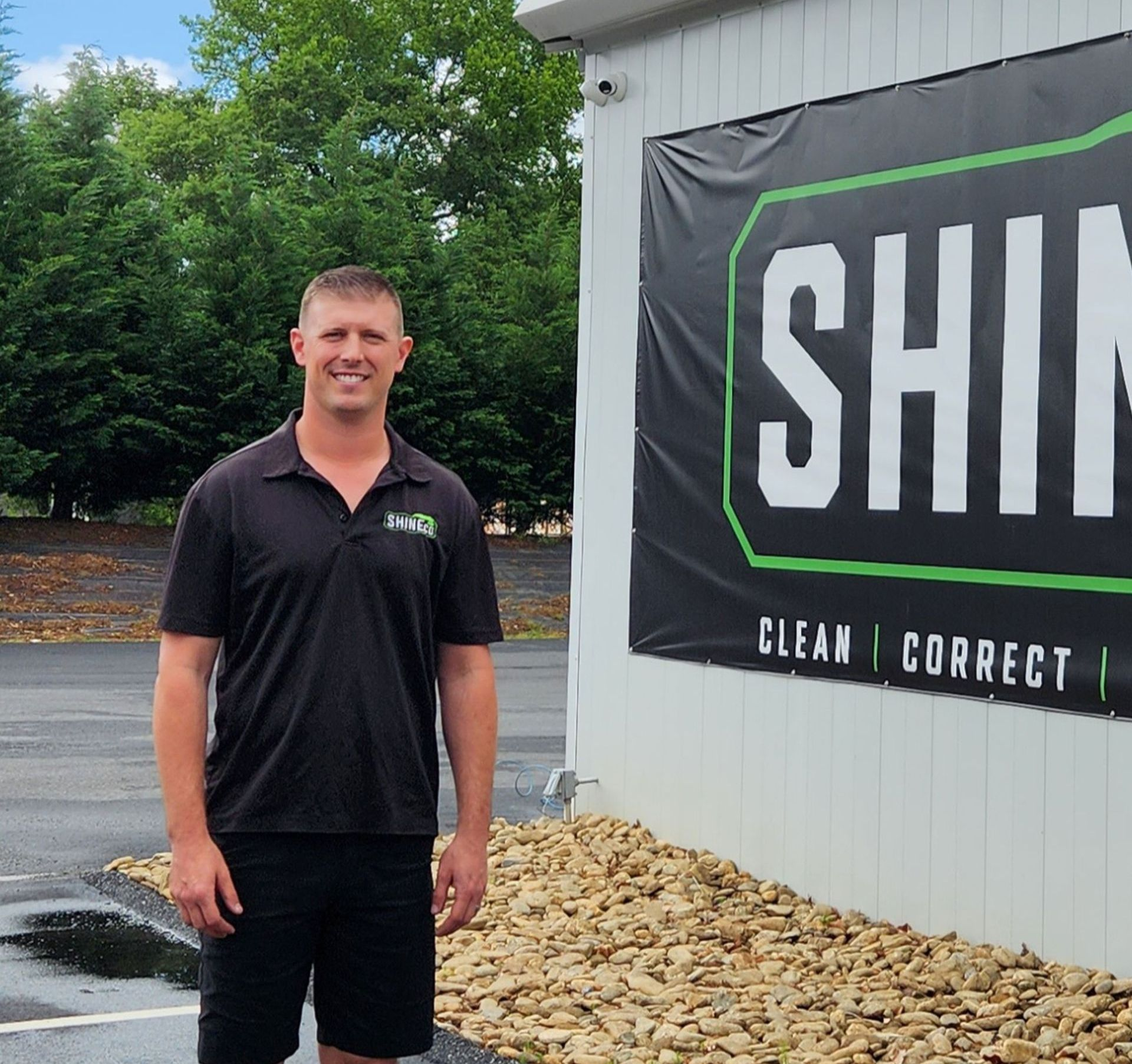
Thomas Kyle Simpson
Thomas Kyle Simpson is the Owner of ShineCo LLC with over 20 years of experience in automotive detailing. Specializing in paint correction, ceramic coatings, and PPF, he leads a nationally recognized team committed to quality and customer satisfaction. His passion-driven approach continues to shape ShineCo’s reputation for excellence.