Paint protection film (PPF) is one of the best ways to keep your vehicle’s paint looking clean, glossy, and protected from daily damage. But if you have ever seen a car with a yellowed or hazy film, you already know the frustration. Some paint protection films stay crystal clear for years, while others discolor far sooner than expected.
This is not random. PPF yellowing is usually caused by a combination of UV exposure, film quality, installation, and maintenance habits. One of the biggest differences between premium and lower-grade film is the strength and effectiveness of UV inhibitor protection.
In this guide,
ShineCo explains why some PPFs yellow faster, what UV inhibitors actually do, and how to choose a film that stays clear in real-world conditions in Greenville and Spartanburg, SC.
What Causes PPF Yellowing?
PPF yellowing happens when the film’s materials begin to break down over time. This breakdown can show up as a warm tint, haze, or uneven discoloration. It is often most noticeable on white, silver, or light-colored vehicles, but it can happen on any paint color.
While UV exposure is usually the main driver, it is rarely the only factor. Below are the most common causes of yellowing.
1) UV Exposure (The Most Common Cause)
Sunlight is the biggest long-term threat to most paint protection films. UV rays slowly degrade the polymers in the film, especially when the film does not contain enough high-quality UV inhibitors.
In Upstate South Carolina, this matters even more because vehicles often experience long summer sun exposure, high heat, and frequent outdoor parking. Over time, the film can begin to discolor as the surface and internal layers lose clarity.
2) Environmental Contaminants
Even if your vehicle is not parked in direct sunlight all day, environmental buildup can speed up yellowing. Common contaminants include:
- Road grime and oils
- Brake dust
- Bug splatter
- Tree sap
- Industrial fallout and pollution
These contaminants settle into microscopic pores in the film’s surface. If they are not cleaned regularly, they can stain the film, dull the finish, and create a surface environment that accelerates discoloration. This is especially relevant for daily drivers in Greenville and Spartanburg that spend time on I-85 or in high-traffic areas.
3) Oxidation in the Adhesive Layer
Not all yellowing is on the surface. In some cases, the adhesive layer beneath the film can oxidize over time. This type of discoloration is deeper, harder to correct, and often not removable with cleaning.
When adhesive oxidation occurs, it can signal that the film is nearing the end of its useful life. At that point, replacement may be the best option.
4) Improper Installation
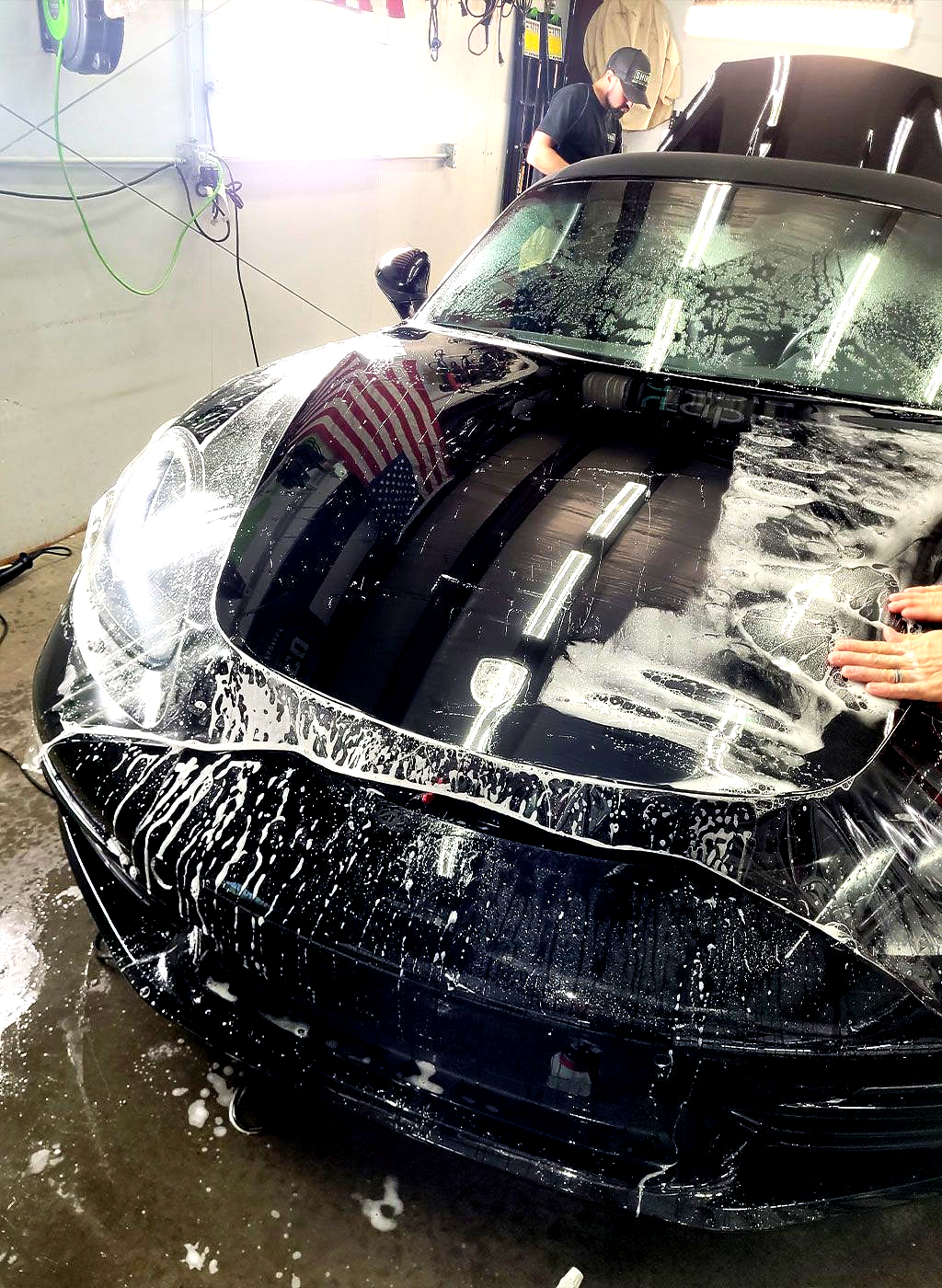
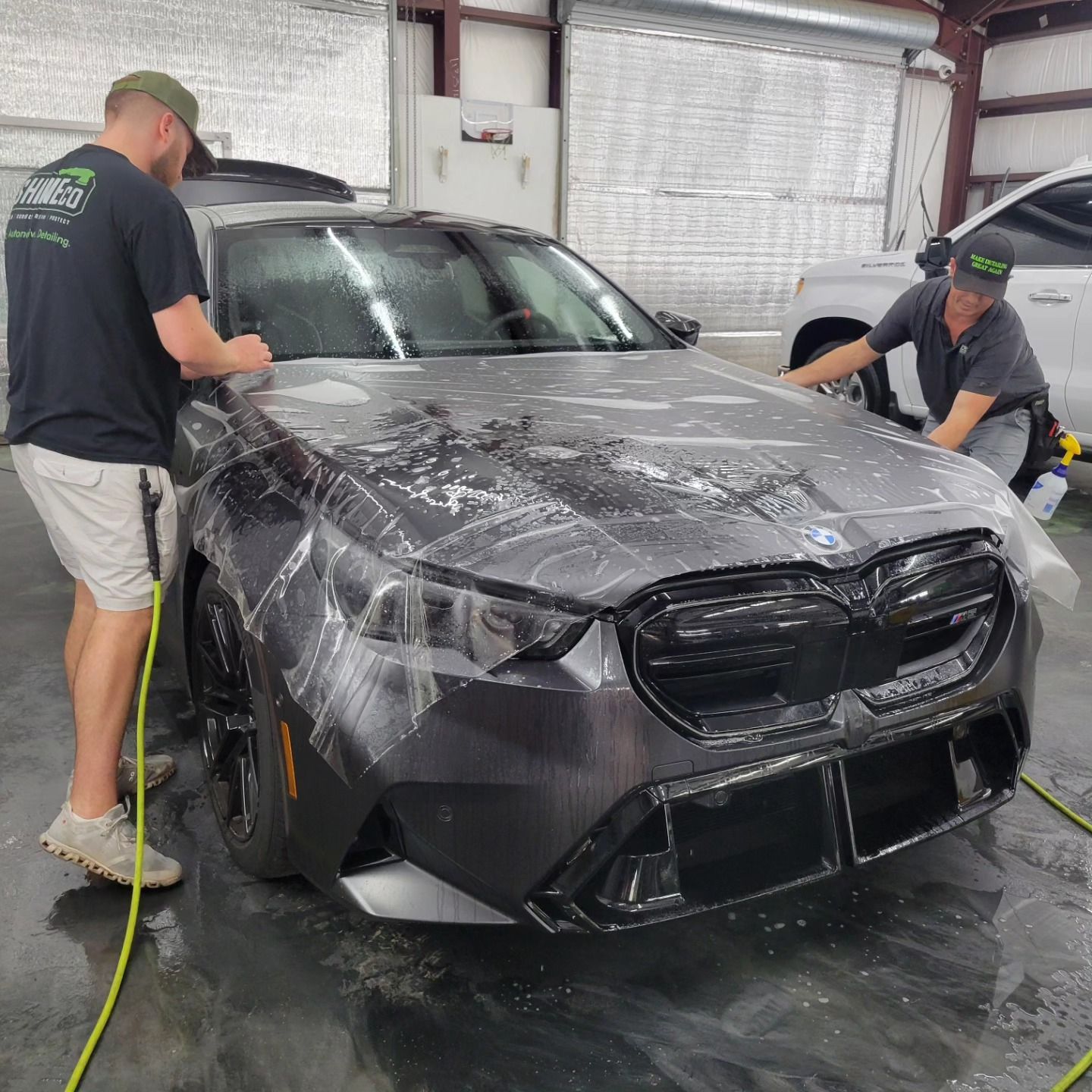
Even premium PPF can fail early if the installation is rushed or sloppy. If oils, dust, or moisture get trapped beneath the film during application, discoloration can occur unevenly. Trapped contamination can also lead to bubbling, lifting edges, and premature wear.
A clean, controlled installation environment and correct surface preparation are critical for long-term clarity.
5) Poor Maintenance Habits
Some owners unintentionally damage their PPF with harsh chemicals. Strong degreasers, abrasive cleaners, and aggressive scrubbing can strip or weaken the protective topcoat. Once that top layer is compromised, the film becomes more vulnerable to UV damage and staining.
How UV Inhibitors Prevent Yellowing
UV inhibitors are specialized compounds built into quality PPF. Their job is to protect the film from ultraviolet radiation before it can break down the film’s structure.
In simple terms, UV inhibitors act like invisible sunscreen for the film.
How They Work
UV radiation can trigger chemical reactions inside the film that slowly degrade the polymer chains. UV inhibitors reduce this damage in two key ways:
- Absorbing harmful UV energy before it reaches the film’s internal layers
- Stabilizing the film by reducing the chain reactions that lead to discoloration
Many modern films use a blend of UV-blocking technology and stabilizers. This combination helps the film stay clear longer, even in harsh climates.
Why Quality and Concentration Matter
Not all UV inhibitors are equal. The quality, concentration, and distribution inside the film make a major difference.
Lower-cost films may include minimal UV protection or use less stable additives. These films can discolor faster under heat and sun exposure, which is a common issue in warmer regions like South Carolina.
Premium films are designed with long-term clarity in mind. The inhibitors are evenly distributed throughout the film to avoid weak spots where yellowing begins earlier.
The Impact of Material Quality
One of the most important factors in yellowing resistance is the quality of the film’s base material.
High-end PPF is typically made from advanced thermoplastic polyurethane (TPU). Premium TPU films are designed to resist UV damage, oxidation, and environmental wear far better than older or lower-grade alternatives.
Premium Films vs Budget Films
The difference between premium and budget PPF often comes down to:
- The stability of the base polymer
- The strength of UV inhibitor protection
- The durability of the topcoat
- The overall manufacturing quality
Some older or cheaper films may discolor sooner because they are less resistant to UV degradation. They may also lack a durable topcoat, which makes them more vulnerable to staining, chemical damage, and haze.
Thickness and Protection
Film thickness also plays a role. While thickness alone does not guarantee clarity, thicker films can provide better long-term protection against impacts and surface contamination. Many premium films balance thickness with flexibility so the film installs smoothly while still offering strong durability.
Protective Measures That Slow Yellowing
Choosing a high-quality film is the foundation, but additional protective steps can help extend the clarity and lifespan of your PPF.
Protective Topcoats
Most premium films include a topcoat designed to resist staining and reduce environmental bonding. This topcoat is critical because it acts as the first barrier against:
- UV exposure
- Dirt and oils
- Chemical contamination
- Minor abrasions
If the topcoat is degraded by harsh cleaning or poor maintenance, yellowing can occur faster.
Ceramic Coating Over PPF
Ceramic coatings can be applied over PPF for added protection. This does not replace UV inhibitors inside the film, but it can enhance overall defense by reducing contamination buildup and improving ease of maintenance.
A ceramic-coated PPF surface is more hydrophobic, meaning it sheds water, grime, and road film more effectively. This helps reduce staining and makes regular washing easier.
At ShineCo, we install SunTek PPF and offer ceramic coating options using SB3 and Icon Rocklear to create a layered protection system for long-term results.
How to Choose the Best PPF for Your Vehicle
Selecting the right film is one of the best ways to prevent yellowing before it starts. Here are the key factors to prioritize.
1) Choose a Film With Strong UV Protection
Look for PPF that is designed for long-term clarity, especially if your vehicle is regularly parked outside. In Greenville and Spartanburg, vehicles see a mix of strong sun exposure, heat, and seasonal contaminants, so UV protection matters.
2) Look for a Real Warranty
A solid manufacturer warranty can indicate that the film is built for durability. A warranty is not just marketing. It reflects confidence in the film’s resistance to discoloration, cracking, and peeling.
3) Choose a Certified Installer
The installer matters just as much as the film. Even the best PPF will fail early if installed improperly. Professional installation reduces the risk of trapped debris, uneven adhesion, and premature discoloration.
At ShineCo, we focus on meticulous prep, clean installation practices, and high-quality materials because that is what produces long-term clarity.
Tips for Maintaining Clarity and Protection
Once your film is installed, the best way to keep it clear is consistent, correct maintenance.
Wash Regularly With Safe Products
Use a pH-neutral car soap and a soft microfiber mitt. Avoid abrasive brushes and harsh degreasers. If the film’s topcoat is damaged, the surface becomes more vulnerable to staining and UV wear.
Remove Contaminants Quickly
Bug splatter, tree sap, and road tar can stain if left too long. If your vehicle is driven often around Greenville, Spartanburg, or the I-85 corridor, routine cleaning matters even more.
Park Smart When Possible
Reducing constant sun exposure can extend the clarity of the film. Parking in shade, using covered parking, or storing the vehicle indoors can reduce long-term UV impact.
Schedule Professional Maintenance
A professional inspection every 6 to 12 months helps identify early signs of staining, lifting edges, or surface wear. Catching problems early can prevent permanent discoloration and extend the film’s lifespan.
Protect Your Vehicle With ShineCo
PPF is a major investment in your vehicle’s appearance and resale value, but not all films perform the same over time. Yellowing is often caused by low-quality UV inhibitors, weaker materials, poor installation, or harsh maintenance.
At ShineCo, we install premium SunTek PPF and offer ceramic coating options using SB3. Our team helps vehicle owners in Greenville and Spartanburg, SC, protect their paint with professional installation and long-term care guidance.
If you are considering PPF or want your current film inspected, contact ShineCo today. Call 864-809-4385 or visit ShineCo to get started.
About the Author
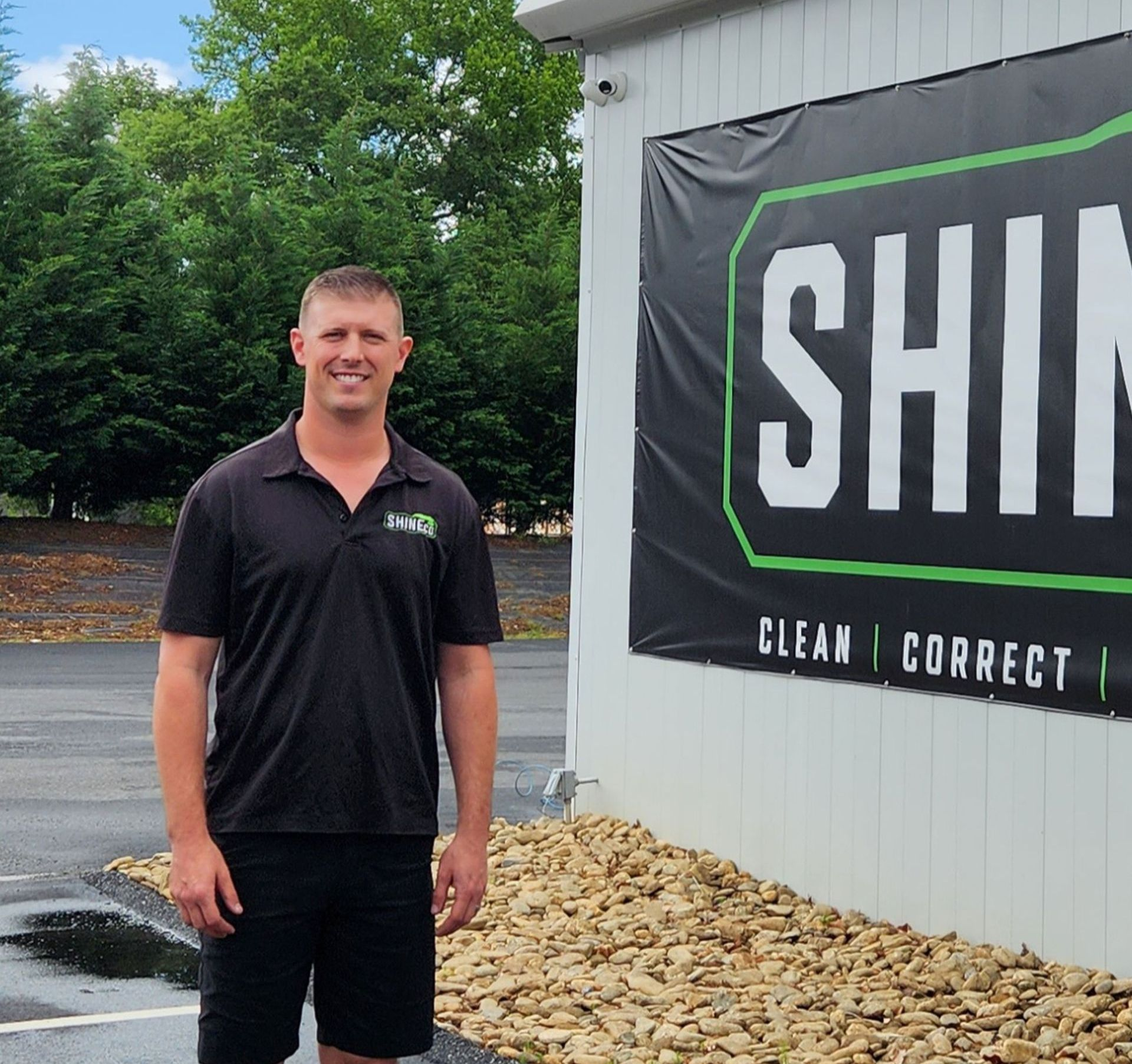
Thomas Kyle Simpson
Thomas Kyle Simpson is the Owner of ShineCo LLC with over 20 years of experience in automotive detailing. Specializing in paint correction, ceramic coatings, and PPF, he leads a nationally recognized team committed to quality and customer satisfaction. His passion-driven approach continues to shape ShineCo’s reputation for excellence.