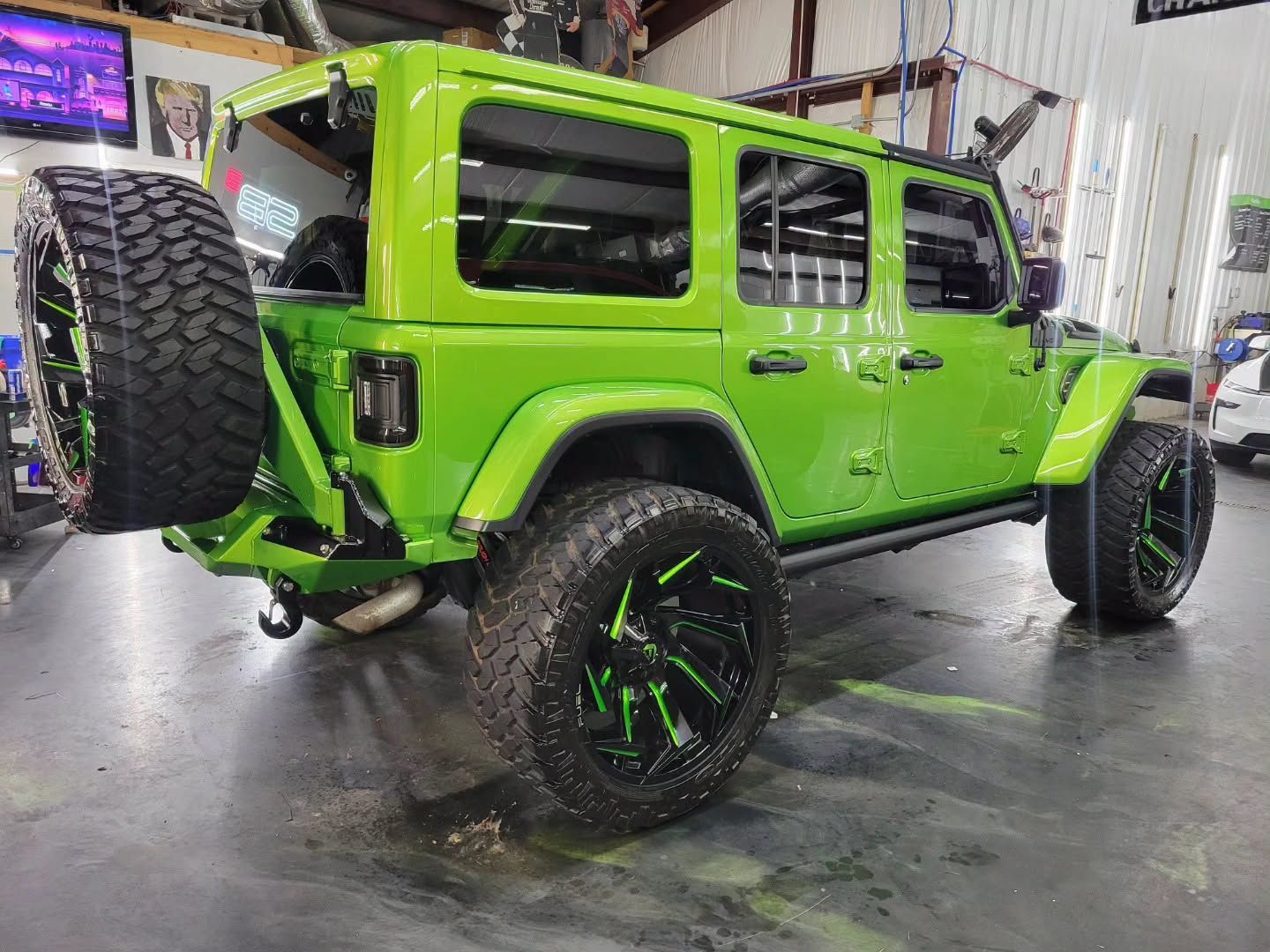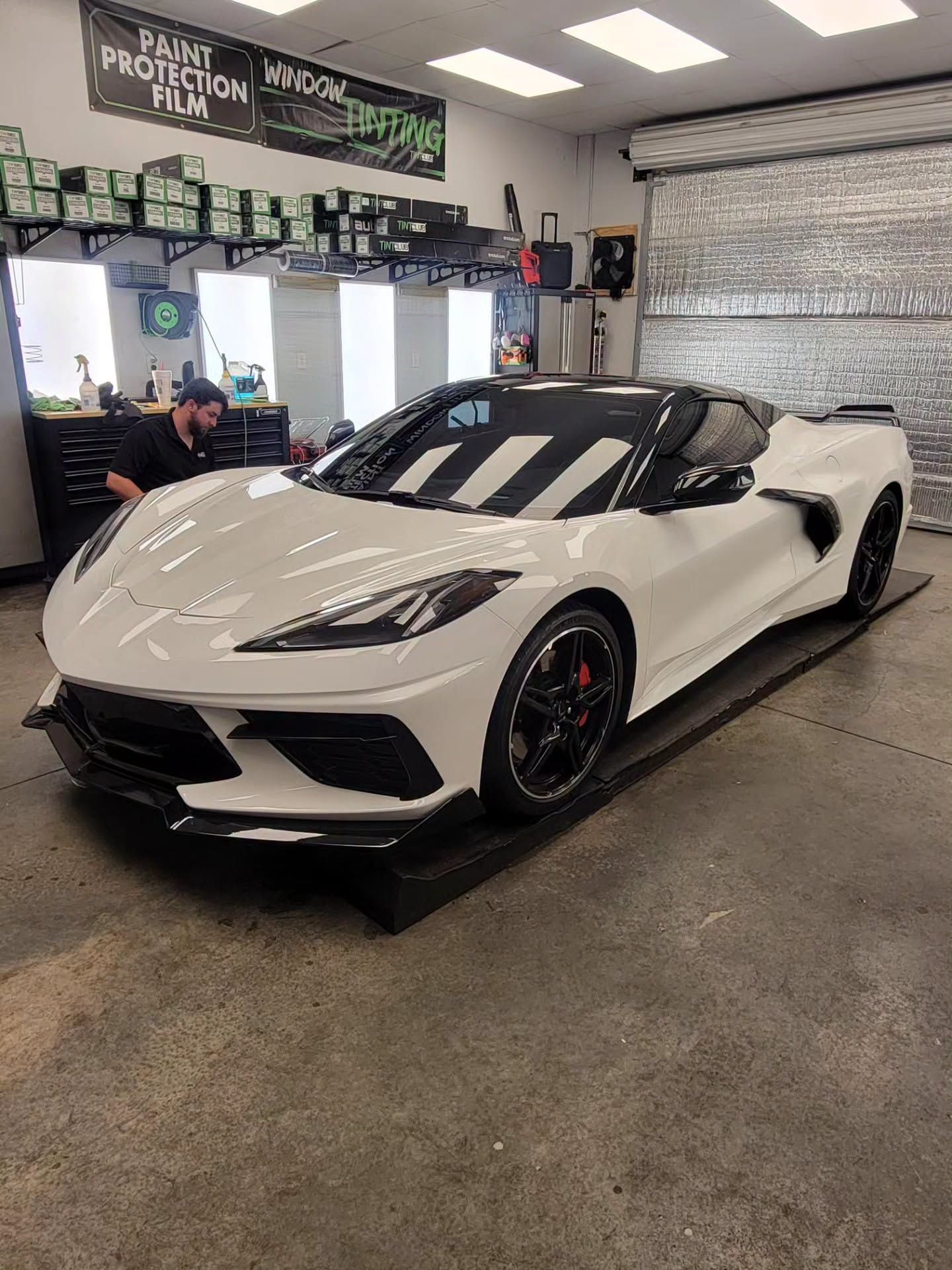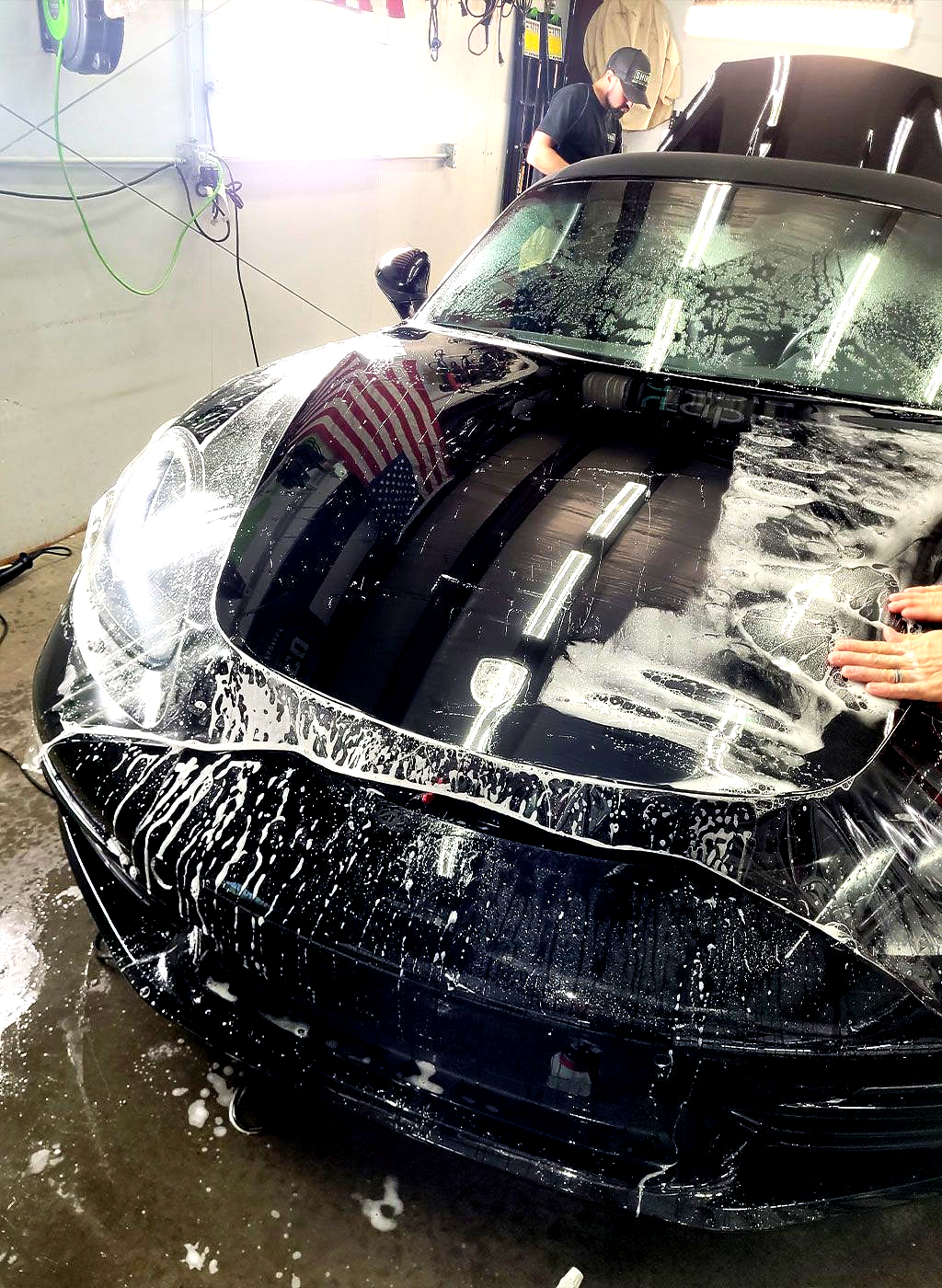
If you're considering changing your vehicle's appearance without committing to a permanent paint job, color-change Paint Protection Film (PPF) offers an excellent solution. It allows you to customize your car's look while protecting the original paint underneath. However, when it's time to remove the film, many vehicle owners wonder whether the process could damage the paint they worked so hard to protect.
The good news is that color-change PPF can typically be removed without damaging factory paint when the film is installed correctly and removed using proper techniques. Understanding the process can help you avoid costly mistakes and determine when professional assistance is the best option.
Quick Answer: Can Color Change PPF Be Removed Safely?
Yes, color-changing PPF can usually be removed without damaging your vehicle's paint when proper heat, safe removal methods, and adhesive cleanup techniques are used. Professional removal is often recommended because improper techniques can lead to paint lifting, adhesive residue, or clear coat damage, especially on older films or previously repainted surfaces.
What Is Color Change PPF?
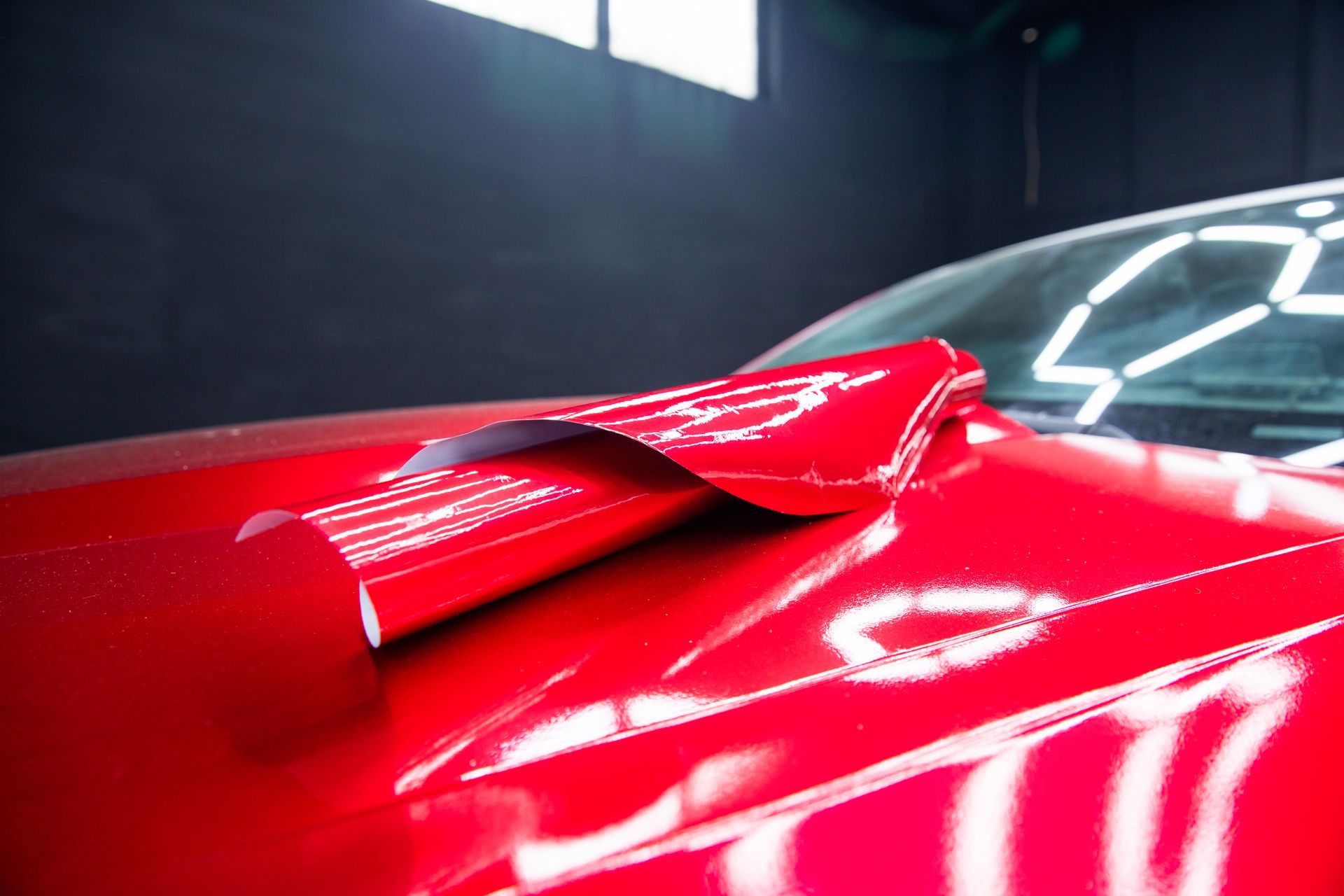
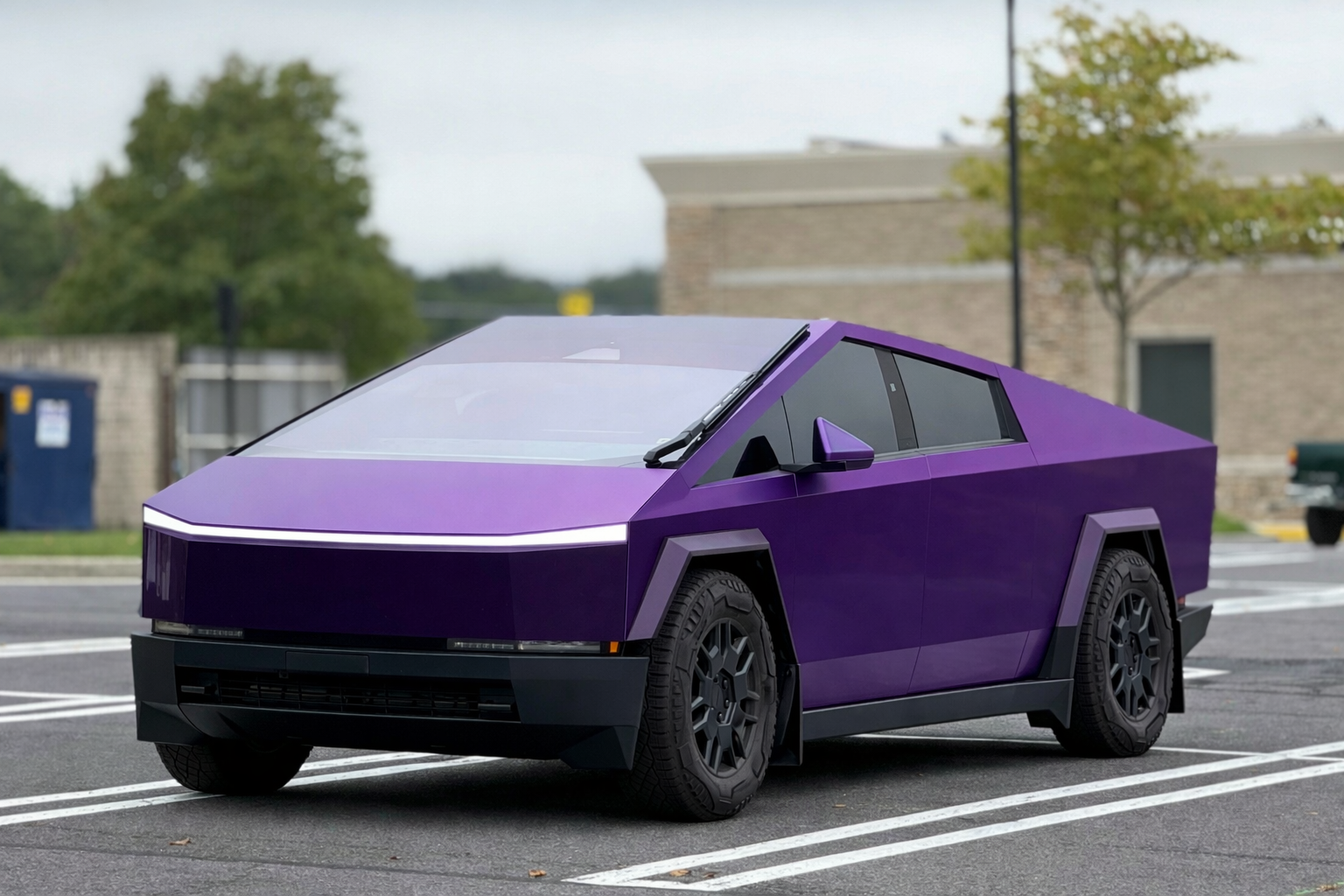
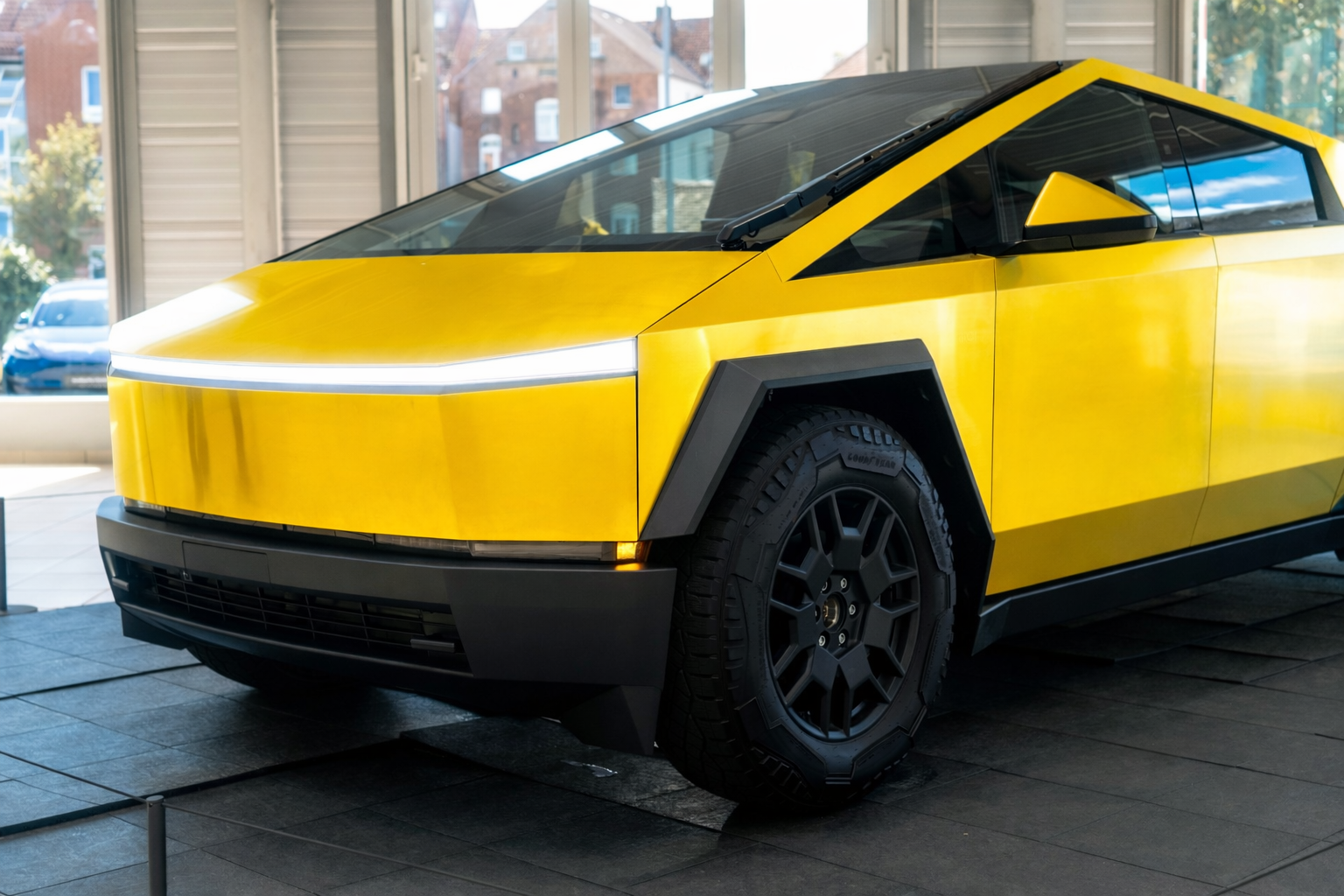
Color-change Paint Protection Film is a specialized urethane film designed to both protect your vehicle and change its appearance. Unlike traditional clear PPF, color-change PPF includes a pigmented layer that creates a completely different look while maintaining the protective benefits of paint protection film.
Many modern films feature advanced technologies such as:
- UV resistance
- Self-healing properties
- Scratch resistance
- Chemical resistance
- Hydrophobic protection
These features help preserve your vehicle's finish while keeping the film looking newer for longer. For drivers throughout Spartanburg and Greenville, SC, color change PPF provides protection against road debris, sun exposure, and everyday wear that can impact a vehicle's appearance.
At ShineCo, we inspect every vehicle's paint condition before installing or removing PPF to help ensure the best possible results.
Essential Tools for Safe PPF Removal
Removing color change PPF safely requires the proper tools and techniques. Using the wrong equipment can increase the risk of paint damage.
Recommended tools include:
- Heat gun or quality hair dryer
- Plastic scraper or plastic trim tool
- Automotive detailing spray
- Microfiber towels
- Automotive-safe adhesive remover
- Protective gloves
Heat is one of the most important factors during removal. Warming the film softens the adhesive and allows the material to release more easily from the paint surface. Most professionals aim for temperatures between 120°F and 150°F to soften the adhesive without harming the paint or clear coat.
Step-by-Step Guide to Removing Color Change PPF
Step 1: Prepare the Vehicle
Park the vehicle in a shaded, well-ventilated area. Direct sunlight can create uneven surface temperatures and make the removal process more difficult.
Before starting, wash the vehicle to remove dirt and contaminants that could scratch the paint during removal.
Step 2: Heat the Film
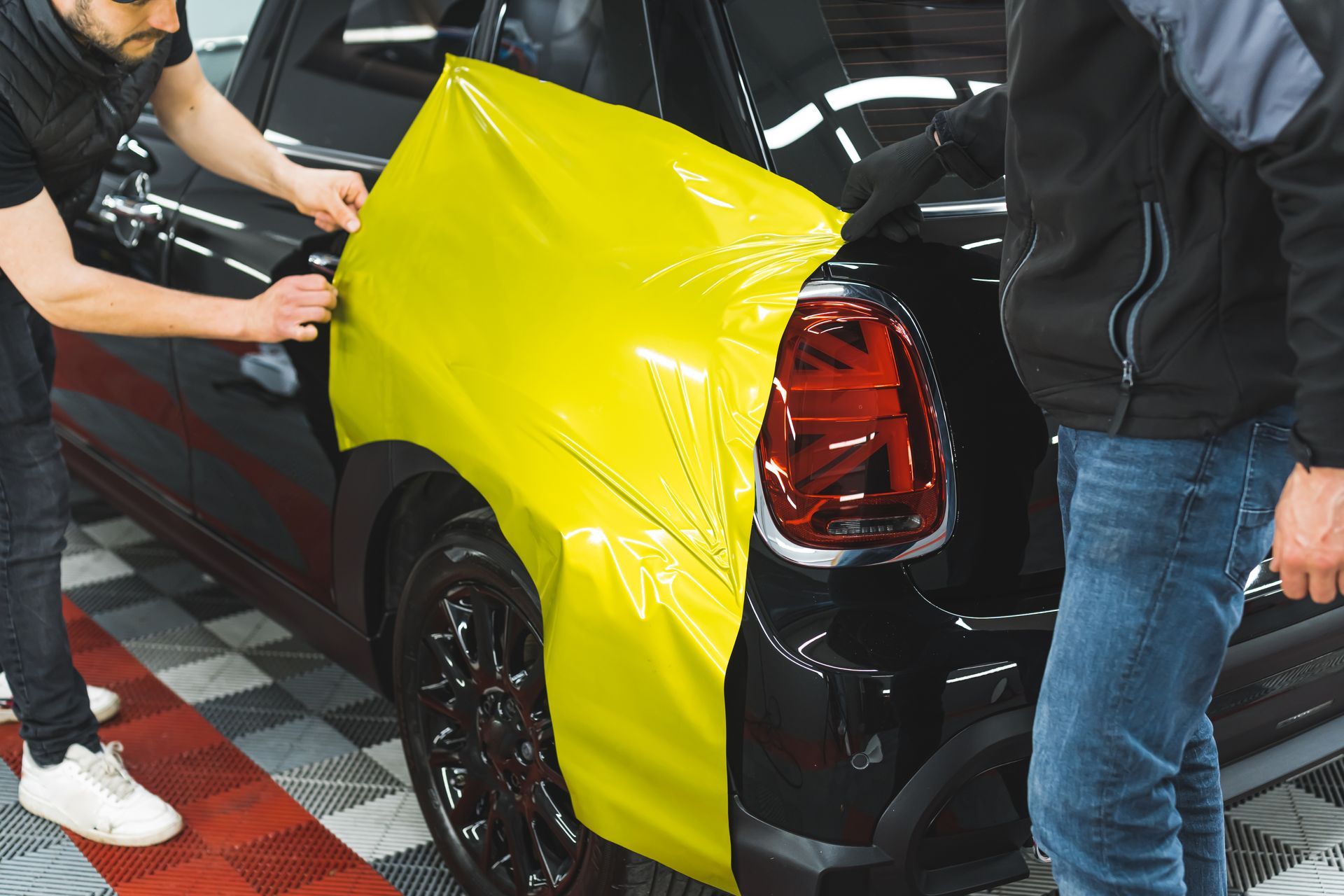
Use a heat gun or hair dryer on a low setting and work in small sections. Move the heat source continuously to avoid overheating any single area.
The goal is to soften the adhesive enough that the film becomes flexible and easier to peel away from the surface.
Step 3: Start Peeling Slowly
Carefully lift a corner of the film using a plastic scraper or your fingernail.
Pull the film back at approximately a 45-degree angle while maintaining steady pressure. Pulling too quickly or lifting straight upward can place excessive stress on the paint surface and increase the risk of damage.
Step 4: Remove Adhesive Residue
After the film has been removed, some adhesive residue may remain.
Apply an automotive-safe adhesive remover or isopropyl alcohol to soften the residue. Allow it to sit briefly before wiping the surface clean with a microfiber towel.
Repeat the process as needed until the surface is completely clean.
Common Mistakes to Avoid During PPF Removal
Many paint issues occur because vehicle owners attempt removal without understanding the risks.
Some of the most common mistakes include:
Using Excessive Heat
Too much heat can warp the film or potentially damage the clear coat. Always maintain controlled temperatures and avoid concentrating heat in one area.
Using Metal Tools
Metal scrapers and razor blades can scratch paint quickly. Plastic tools provide a much safer alternative.
Pulling the Film Too Fast
Aggressive pulling increases the chances of lifting paint, especially on previously repaired or repainted panels.
Using Harsh Chemicals
Strong solvents can damage clear coat finishes and leave lasting marks on the paint. Stick to automotive-safe adhesive removers whenever possible.
Ignoring Surface Condition
Older paint repairs, repaint work, or existing paint defects can affect how safely the film removes. A professional inspection can identify potential concerns before removal begins.
Can PPF Removal Damage Existing Paint?
In most cases, professionally installed color change PPF will not damage factory paint when removed correctly. However, certain situations can increase risk.
Potential concerns include:
- Previously repainted panels
- Poor-quality paint repairs
- Improperly installed film
- Extremely aged film
- Existing paint defects
This is why many vehicle owners choose professional PPF removal services. An experienced installer can identify potential problem areas and adjust removal techniques accordingly.
At ShineCo, we regularly evaluate film condition and paint integrity before beginning the removal process to help minimize risks.
What Should You Do After Removing PPF?
Once the film has been removed, the paint underneath may require additional attention before applying new protection.
Paint Correction
Even when the paint is well preserved, minor imperfections, swirl marks, or inconsistencies may become more noticeable after film removal.
Professional paint correction can restore clarity and improve the appearance of the paint before new protection is applied.
Ceramic Coating Protection
Many vehicle owners choose ceramic coating after PPF removal.
Ceramic coatings create a durable protective layer that helps resist UV damage, chemical contaminants, water spotting, and environmental exposure. They also make routine vehicle maintenance easier by reducing the ability of dirt and contaminants to bond to the paint.
For many ShineCo clients throughout Spartanburg and Greenville, ceramic coating is the next logical step after removing color change PPF.
When Should You Replace Color-Change PPF?
Color-changing PPF does not last forever. Over time, exposure to sunlight, road debris, weather conditions, and contaminants can reduce its effectiveness.
Signs it may be time for replacement include:
- Fading color
- Deep scratches
- Discoloration
- Peeling edges
- Loss of gloss or finish quality
Drivers in Upstate South Carolina often experience significant UV exposure and highway driving conditions that can accelerate wear over time.
Replacing aging PPF helps maintain both appearance and long-term paint protection.
Professional vs. DIY PPF Removal
While DIY removal is possible, professional removal typically provides the safest and most consistent results.
Professional technicians understand:
- Proper heat management
- Safe removal angles
- Adhesive cleanup procedures
- Paint condition assessment
- Film-specific removal techniques
At ShineCo, we use professional-grade products and proven installation and removal methods to help protect your vehicle throughout the entire process.
Frequently Asked Questions
Can color-change PPF damage factory paint?
When properly installed and removed, color change PPF generally does not damage factory paint. Problems are more likely on previously repainted surfaces or when improper removal techniques are used.
How long does color-change PPF last?
Most premium color change PPF products can last between five and ten years depending on environmental conditions, maintenance, and product quality.
Can I remove PPF myself?
Yes, but DIY removal carries risks. Improper heat, pulling techniques, or tool selection can potentially damage paint or leave excessive adhesive residue.
Should I apply ceramic coating after removing PPF?
Many vehicle owners choose ceramic coating after PPF removal because it provides excellent protection and helps maintain the appearance of the paint.
What happens if PPF stays on too long?
Overly aged film can become more difficult to remove and may leave behind additional adhesive residue, making professional removal even more important.
Protect Your Vehicle with ShineCo
Whether you're considering color-change PPF removal, replacement, paint correction, or ceramic coating, the experienced team at ShineCo is here to help. We proudly serve vehicle owners throughout Spartanburg, Greenville, and the surrounding Upstate South Carolina communities with professional automotive protection services designed to keep your vehicle looking its best.
Contact ShineCo today to schedule a consultation and learn more about your options for protecting and enhancing your vehicle's finish.
About the Author
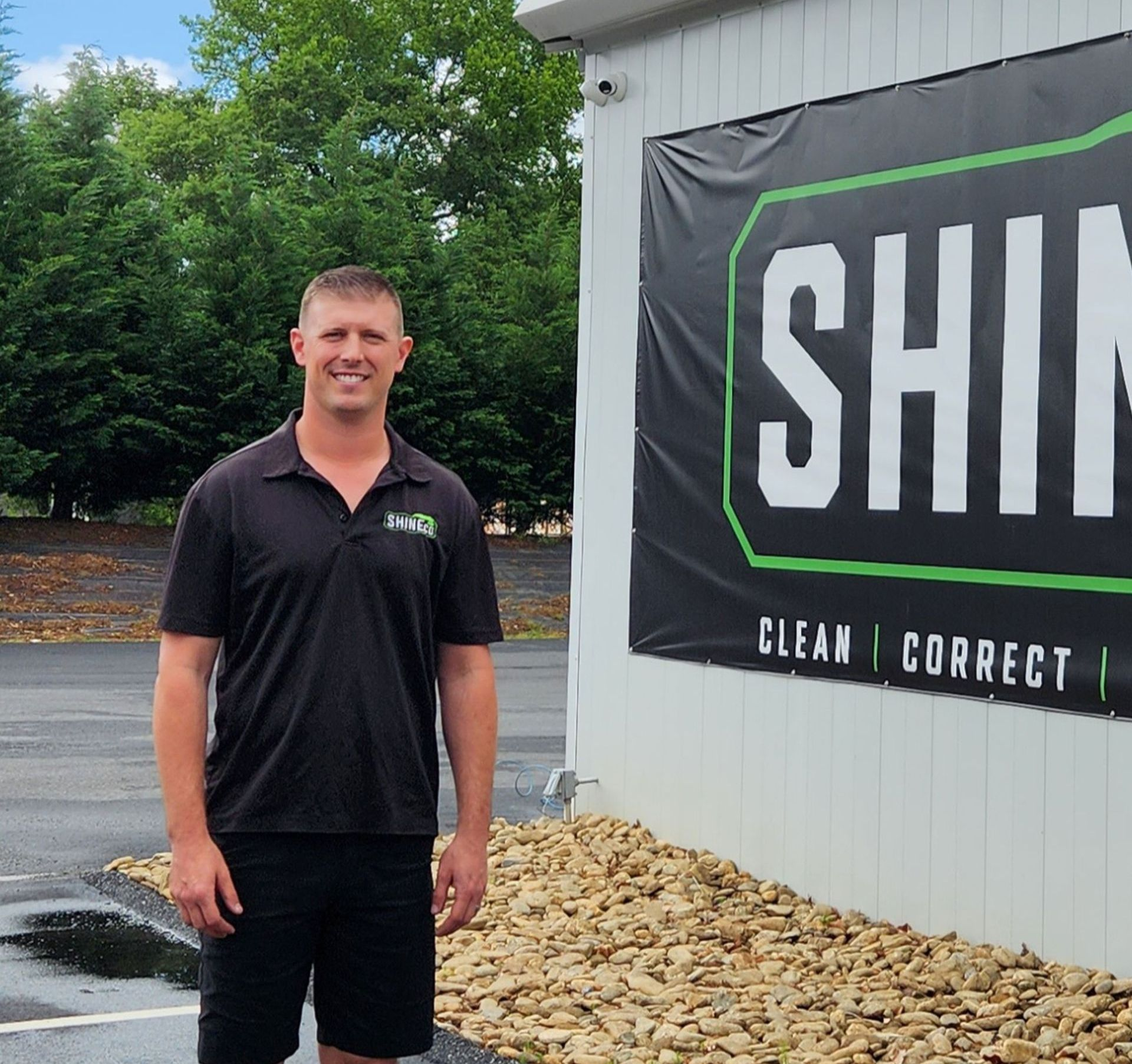
Thomas Kyle Simpson
Thomas Kyle Simpson is the Owner of ShineCo LLC with over 20 years of experience in automotive detailing. Specializing in paint correction, ceramic coatings, and PPF, he leads a nationally recognized team committed to quality and customer satisfaction. His passion-driven approach continues to shape ShineCo’s reputation for excellence.