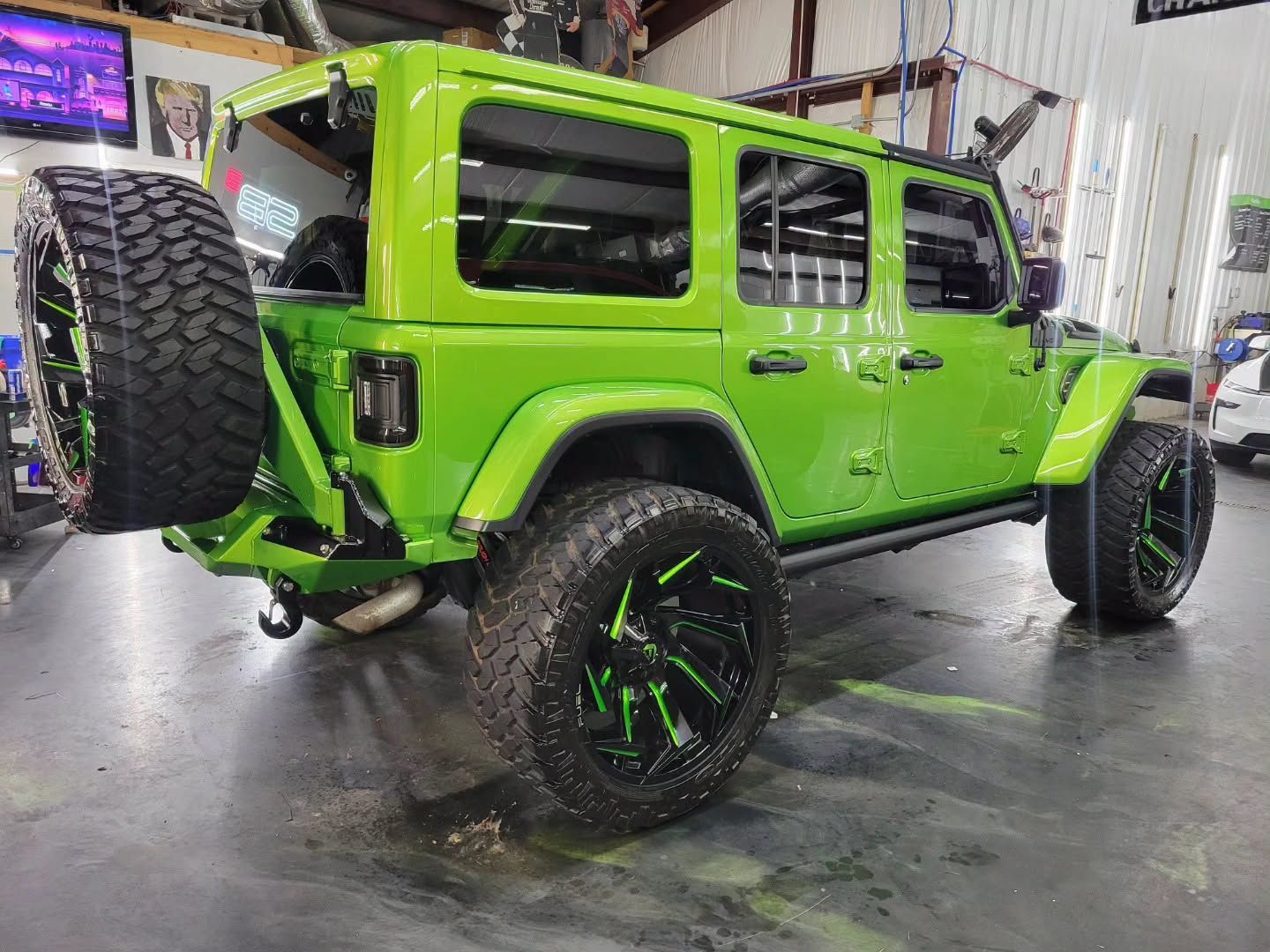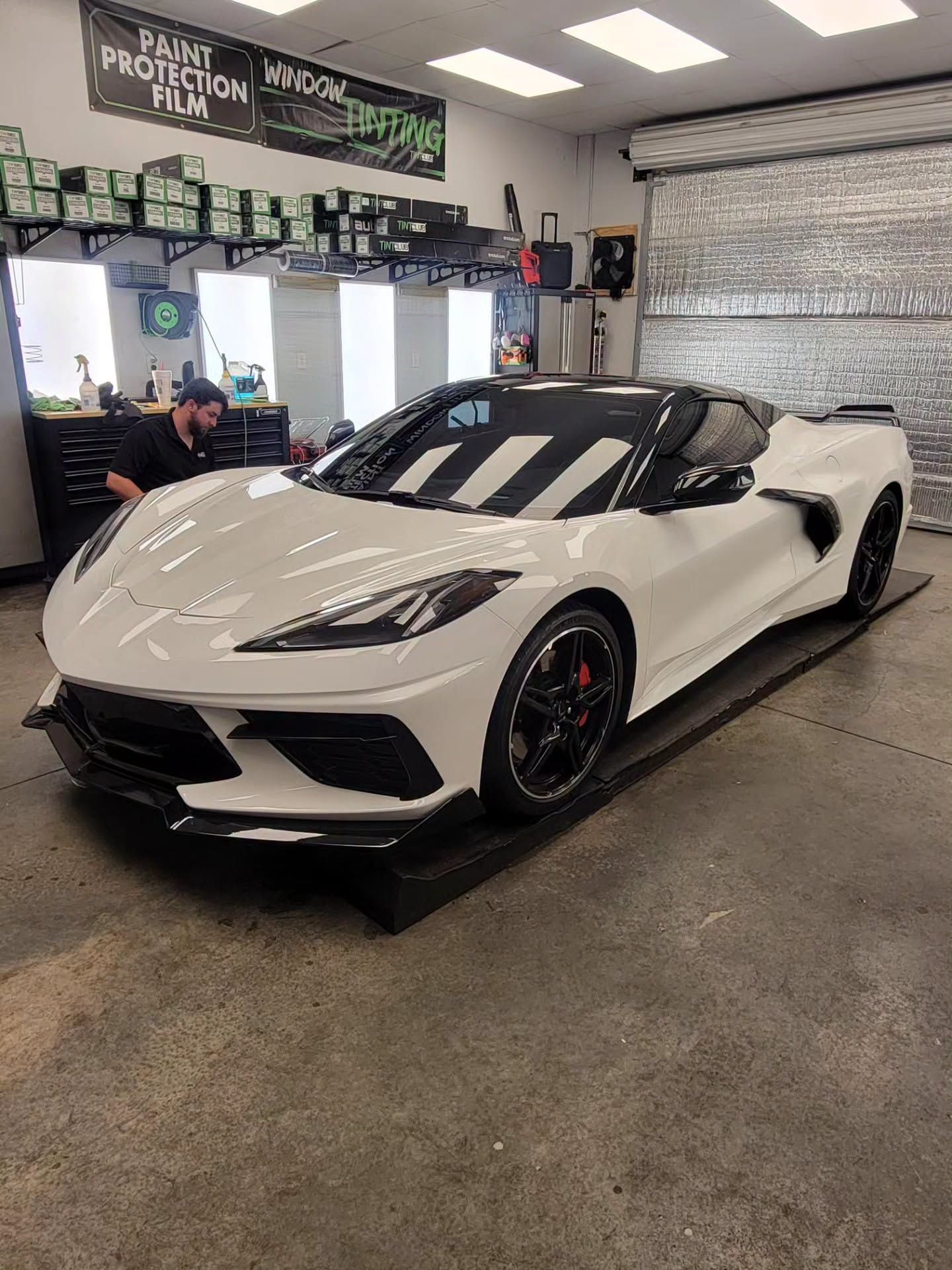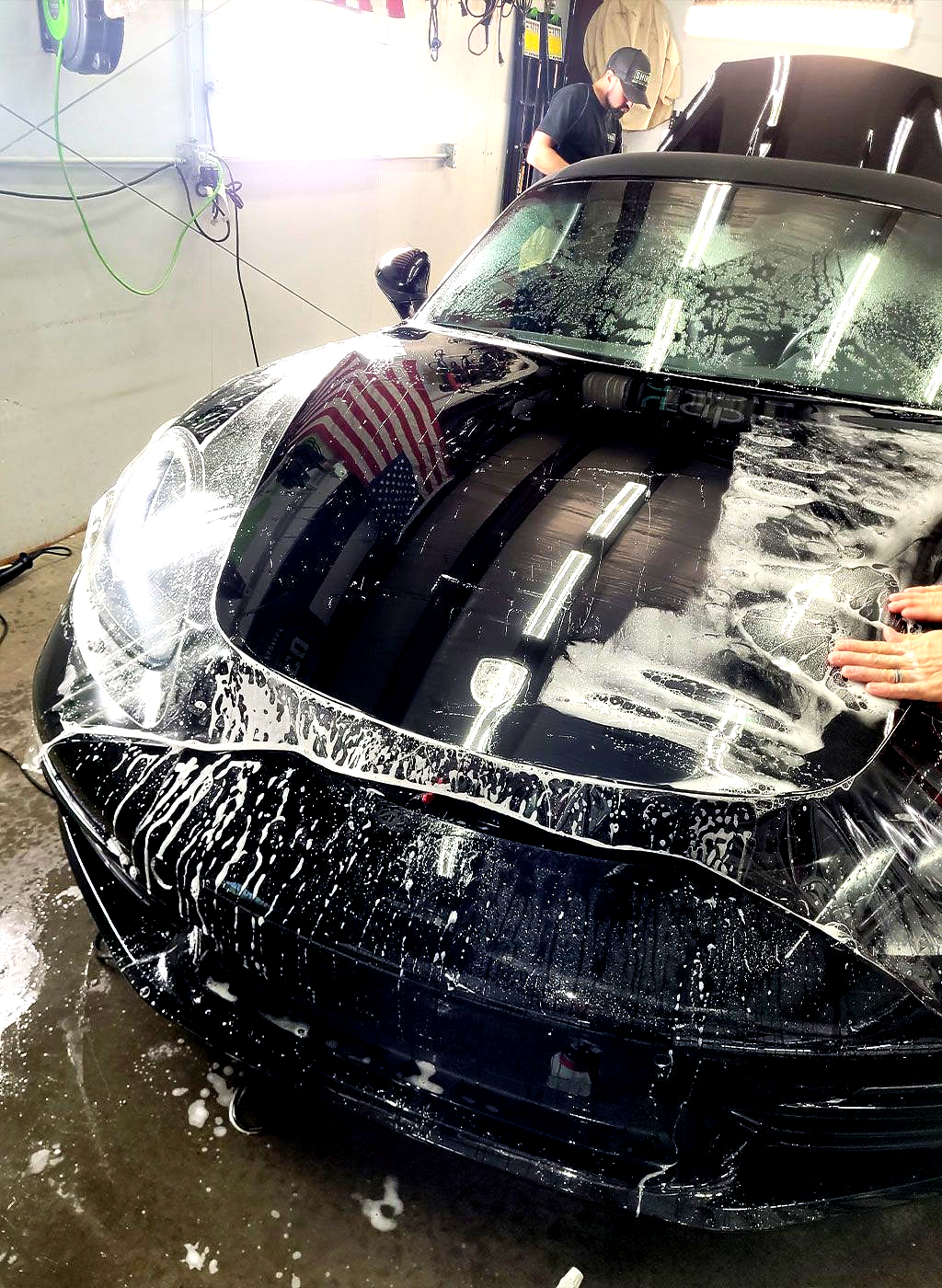
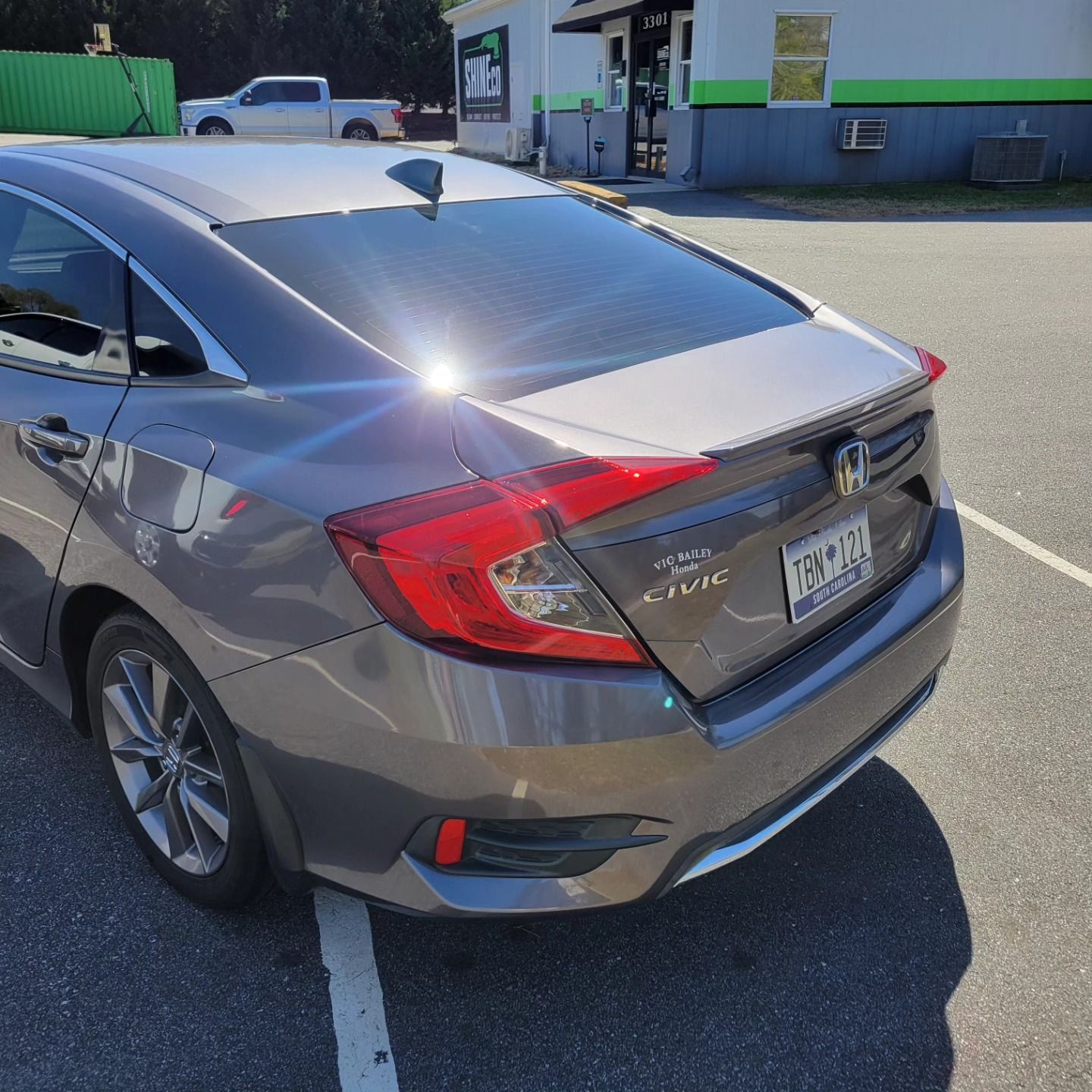
A daily-driven vehicle in Spartanburg or Greenville faces strong sun, humidity, pollen, bug residue, road grime, and outdoor exposure. A professionally installed ceramic coating creates a glossier, easier-to-maintain surface, but its lifespan depends on the coating system, paint condition, and aftercare.
ShineCo offers professional SB3 ceramic coating options, including a five-year coating package. Reaching the intended service life requires proper preparation, safe washing, prompt contaminant removal, and maintenance suited to how the vehicle is driven and stored.
Quick answer: Professional ceramic coatings are designed to provide multi-year performance. ShineCo offers an SB3 five-year option, but outdoor parking, high mileage, improper washing, and neglected contamination can shorten its effective life.
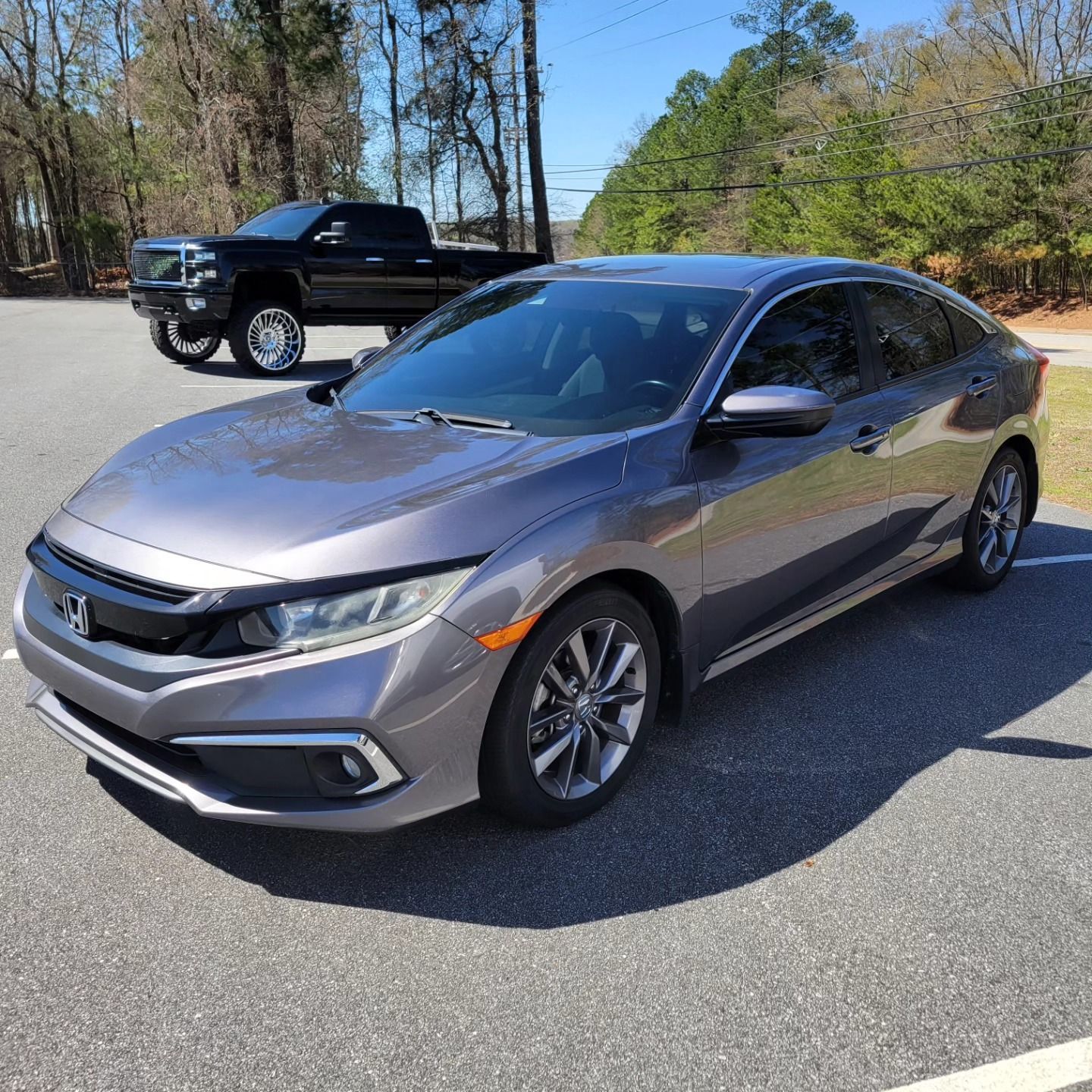
What Determines Ceramic Coating Lifespan?
The Coating System and Installation
The product matters, but installation quality is equally important. A professional coating should be applied to a thoroughly cleaned surface in a controlled environment. Proper leveling and curing support even bonding. Rushed preparation or contamination during curing can cause weak areas and shorter service life.
The package should also match the owner’s driving habits and ownership plans. A long-term daily driver may benefit from a longer-lasting coating system.
Paint Preparation Before Coating
Ceramic coating does not remove swirl marks, oxidation, water spots, or other paint defects. Paint correction should be completed first when the finish needs improvement. Correction restores clarity and creates a cleaner surface for bonding.
Applying a coating over neglected paint can preserve visible defects. ShineCo evaluates each vehicle so the preparation reflects its actual condition.
Daily Exposure and Local Driving Conditions
A garage-kept car with moderate mileage usually places less stress on its coating than a vehicle parked outdoors. Sunlight, heat, pollen, tree sap, bird droppings, bugs, and road film can gradually reduce gloss, slickness, and water beading.
Spartanburg and Greenville drivers also face humid summers, frequent rain, seasonal pollen, and insects that can bake onto warm paint. Highway driving adds bug splatter and debris, while city driving adds traffic grime. These conditions make consistent aftercare more important.
Washing and Maintenance Habits
Safe, consistent washing helps a coating reach its intended lifespan. Harsh detergents, dirty wash mitts, abrasive towels, and automatic brush washes can create marring. Hard water and bonded contamination can also mask water beading even when the coating remains intact.
Use a pH-neutral automotive shampoo, clean microfiber wash media, and dedicated drying towels. Wash in the shade and remove contaminants promptly.
What Protection Does Ceramic Coating Provide?
Ceramic coating creates a durable, chemically resistant layer over the clear coat. Key benefits include enhanced gloss, improved water beading and sheeting, easier cleaning, and resistance to environmental contamination. It can also help slow oxidation and reduce how strongly grime bonds to the surface.
For a daily driver, these benefits reduce the effort needed to maintain a clean, refined finish. Normal contamination is generally easier to remove from a properly maintained surface.
Ceramic coating is not scratch-proof. It will not prevent rock chips, dents, deep scratches, or damage from improper washing. It may resist minor wash marring, but careful washing remains essential. Drivers seeking impact protection for the bumper, hood, mirrors, or other high-impact areas should consider paint protection film.
How to Help Ceramic Coating Last Longer
A practical routine removes contamination before it builds up and avoids products or tools that can damage the finish.
Maintenance Checklist
- Wash the vehicle every one to two weeks, or whenever it becomes noticeably dirty.
- Use a pH-neutral automotive shampoo that is compatible with ceramic coatings.
- Avoid automatic brush washes, harsh household detergents, and abrasive wash media.
- Remove bird droppings, bug residue, tree sap, and other contaminants promptly.
- Wash in the shade when possible and do not allow hard water to dry on hot paint.
- Use only compatible maintenance sprays or toppers recommended for the installed coating.
- Schedule a professional inspection when water behavior, gloss, or slickness changes significantly.
Reduced water beading does not always mean failure. Mineral deposits, road film, and bonded contamination can clog the surface. Professional decontamination may restore performance without full reapplication. ShineCo can also recommend compatible maintenance products at its Spartanburg shop.

Signs Your Ceramic Coating May Need Attention
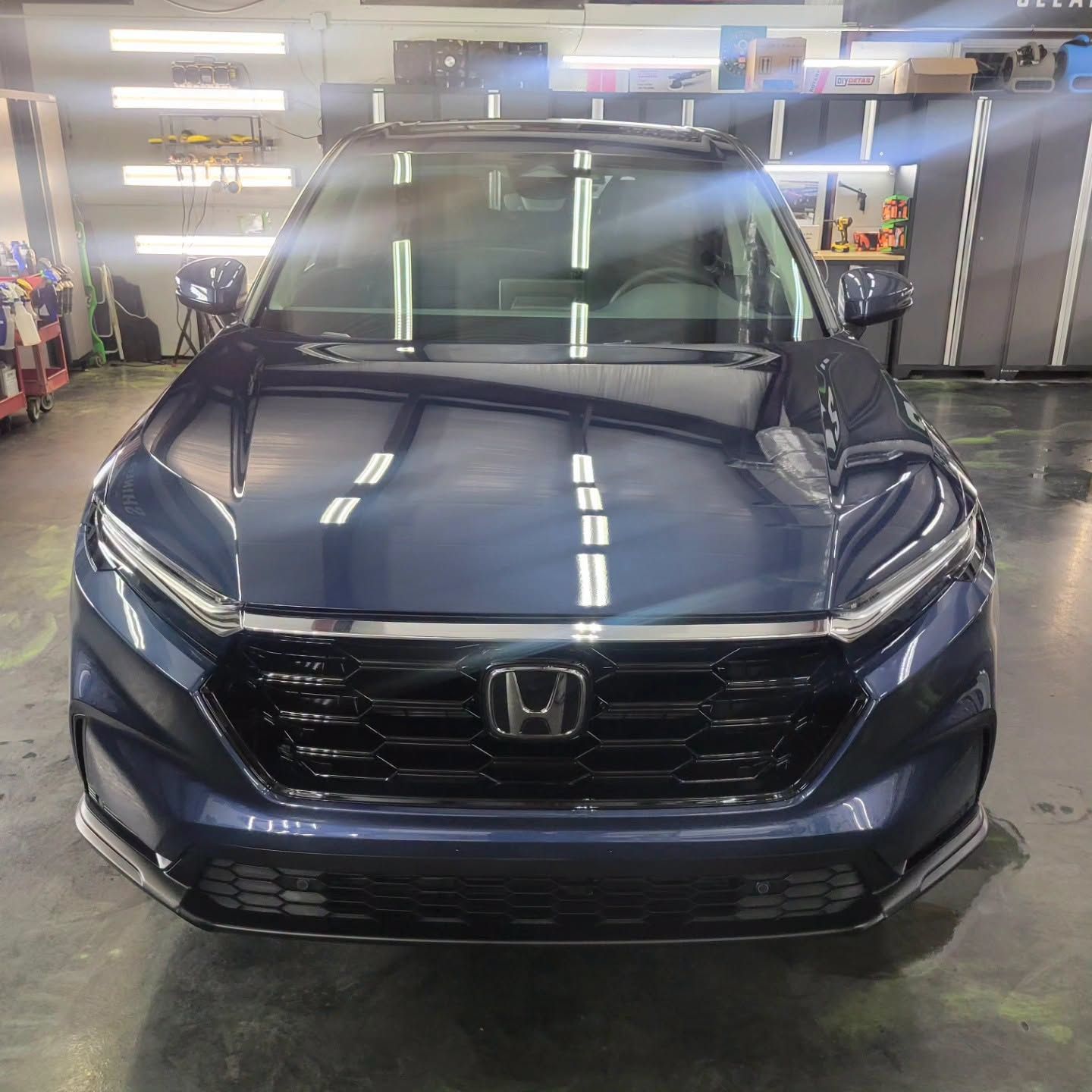
Ceramic coating usually changes gradually. Water may lie flatter on some panels, the paint may feel rough after washing, or gloss may appear dull. Water spots and road film may also become harder to remove, especially on lower panels.
Evaluate these symptoms before assuming the coating has failed. It may only need a careful wash, chemical decontamination, or compatible maintenance treatment.
Ceramic Coating, Paint Correction, and PPF Serve Different Purposes
Paint correction improves the clarity of the existing finish. Ceramic coating helps preserve that appearance, adds gloss, and simplifies cleaning. SunTek PPF provides a thicker barrier against rock chips, road debris, and light impacts.
Many owners choose a combined approach. Paint correction prepares the finish, PPF protects high-impact areas, and SB3 ceramic coating simplifies maintenance. The right combination depends on driving habits, parking, paint condition, and priorities.
Is Ceramic Coating Worth It for a Daily Driver?
Ceramic coating can be a strong investment for drivers who want a more manageable maintenance routine. It is useful for newer cars, repainted vehicles, family SUVs, trucks, performance cars, and vehicles owners plan to keep for several years.
The value does not come from eliminating washing or preventing every type of damage. It comes from preserving gloss, making contamination easier to remove, and supporting long-term appearance. The best results require a skilled installer, the right package, and a realistic care plan.
Frequently Asked Questions
Can a Five-Year Ceramic Coating Last Five Years on a Daily Driver?
It can reach its intended service period with professional installation and recommended maintenance. Outdoor parking, high mileage, improper washing, and neglected contamination may shorten performance.
Do Automatic Car Washes Shorten Ceramic Coating Lifespan?
Brush-style automatic washes can create marring. Touchless washes may be less abrasive, but some use strong chemicals. Safe hand washing is preferred.
How Often Should a Ceramic-Coated Vehicle Be Washed?
Most daily drivers benefit from washing every one to two weeks, adjusted for weather, mileage, parking, and visible contamination.
Protect Your Daily Driver with ShineCo
ShineCo helps drivers in Spartanburg, Greenville, Duncan, Boiling Springs, Five Forks, Greer, and nearby Upstate communities protect their vehicles. The team installs SB3 ceramic coatings and provides Icon Rocklear applications, SunTek PPF, paint correction, window tinting, detailing, and maintenance care.
Every vehicle is evaluated based on its condition, driving habits, parking environment, and owner goals. Call ShineCo at
(864) 809-4385 or
request a free quote at goshineco.com to discuss the right ceramic coating plan for your car, truck, or SUV.
About the Author
Thomas Kyle Simpson
Thomas Kyle Simpson is the Owner of ShineCo LLC with over 20 years of experience in automotive detailing. Specializing in paint correction, ceramic coatings, and PPF, he leads a nationally recognized team committed to quality and customer satisfaction. His passion-driven approach continues to shape ShineCo’s reputation for excellence.