Quick Answer
Quality automotive window tint commonly lasts 5 to 10 years, and some premium films can perform longer. Lifespan depends on the product, installation, sun exposure, vehicle use, and maintenance.
In Spartanburg and Greenville, South Carolina, durable film matters because frequent heat and sunlight can accelerate wear on lower-quality tint. Window tint should provide clear visibility, a consistent appearance, glare reduction, privacy, and heat control throughout its useful life. Bubbling, peeling, discoloration, or haze may signal the need for professional inspection or replacement.
Understanding what affects tint durability can help you choose the right product and protect your investment.
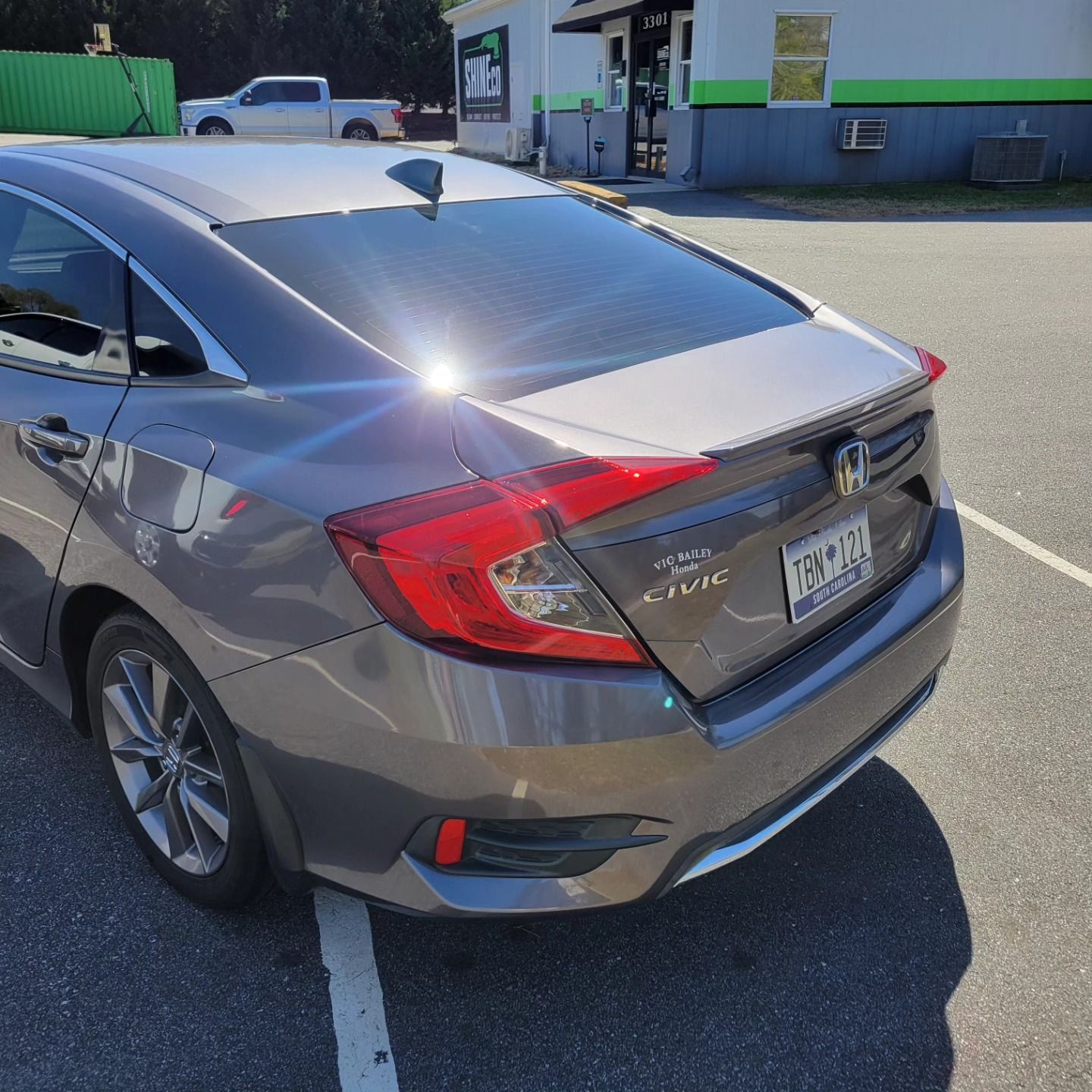
How Long Does Each Type of Window Tint Usually Last?
Window tint lifespan varies by product and manufacturer, so general ranges are not guarantees. The selected film’s warranty is the best source for product-specific expectations. The following ranges can still help vehicle owners compare common film categories.
| Film Type | General Lifespan | Best Fit |
|---|---|---|
| Dyed film | Often 2 to 5 years | Basic privacy and appearance at a lower initial cost |
| Carbon film | Often 5 to 10 years | Balanced heat reduction, color stability, appearance, and value |
| Ceramic film | Often 10 years or longer | Premium heat performance, optical clarity, and long-term durability |
ShineCo offers carbon and ceramic automotive window tint packages for drivers who want reliable performance and a refined finish. Carbon film can be a practical upgrade for daily drivers, while ceramic film is often preferred by customers who prioritize stronger heat rejection and longer-term performance.
What Determines How Long Vehicle Window Tint Lasts?
Film Quality and Construction
Film construction and product quality are two of the biggest factors affecting tint longevity. Entry-level film may look good after installation but lose color, clarity, or adhesion sooner under regular sun exposure.
Higher-quality carbon and ceramic films are designed to remain more stable through heat, sunlight, and daily use. However, exact performance depends on the specific product and manufacturer. Drivers should not assume that every film within the same category will provide identical results.
Professional Installation
Even premium film can fail early if the glass is not cleaned and prepared correctly. Dust, trapped debris, uneven cuts, contaminated adhesive, or poorly finished edges can contribute to bubbling, lifting, and peeling.
Professional window tint installation supports accurate fitment, clean edges, proper adhesion, and a smooth appearance that complements the vehicle. Experienced installers can also identify damaged seals, tight channels, or other conditions that may rub against the film. Addressing these concerns before installation may prevent avoidable wear.
South Carolina Sun and Heat
Vehicles in Spartanburg and Greenville often spend long hours in direct sunlight, especially during hot South Carolina summers. Repeated heating and cooling can place stress on the film and adhesive.
Lower-quality tint may fade, change color, or weaken sooner. Quality carbon and ceramic films are generally better suited to demanding sun exposure.
Covered parking can reduce heat exposure, but parking outdoors does not automatically ruin professionally installed tint. Film quality, installation, and proper care remain the most important factors.
Cleaning and Daily Use
Tinted glass does not require complicated maintenance, but rough cleaning can shorten the film’s useful life. Ammonia-based cleaners, abrasive pads, scraping tools, and coarse paper products may damage the surface or edges.
Dirt inside the window seals, sharp objects near the glass, and worn door components can also create scratches or lifting over time.
Is Carbon or Ceramic Window Tint Better for Longevity?
Both carbon and ceramic window tint can deliver dependable long-term performance when the product is installed and maintained correctly.
Carbon film is a strong option for drivers who want privacy, a clean appearance, and improved heat control at a more accessible price point. It also offers better color stability than many entry-level dyed films.
Ceramic film is typically chosen by drivers who want premium heat rejection, excellent clarity, and the longest expected service life. Because ceramic film does not rely on metallic particles, it can provide strong performance without interfering with common electronic signals.
The right choice depends on the vehicle, parking conditions, preferred shade, performance goals, and budget. A trustworthy installer should explain the options and recommend a film that matches how the vehicle is actually used.
ShineCo helps customers compare carbon and ceramic packages without relying on one-size-fits-all recommendations.
How to Help Your Window Tint Last Longer
A few simple habits can protect the film and reduce avoidable wear:
- Follow ShineCo’s curing instructions before rolling the windows down. Drying time can vary based on the film, temperature, and humidity.
- Use an ammonia-free automotive glass cleaner that is safe for tinted windows.
- Clean the inside glass with a soft, clean microfiber towel.
- Avoid placing stickers, suction cups, tape, or sharp accessories directly on the film.
- Keep dirt and debris away from window seals and door channels.
- Use covered parking when practical, especially during extended periods of intense heat.
- Contact a professional if you notice lifting edges, bubbles, haze, or unusual discoloration.
Do not attempt to cut, peel, or press damaged film back into place without professional guidance. A minor edge concern may be repairable, but widespread adhesive failure or bubbling usually requires professional removal and replacement.
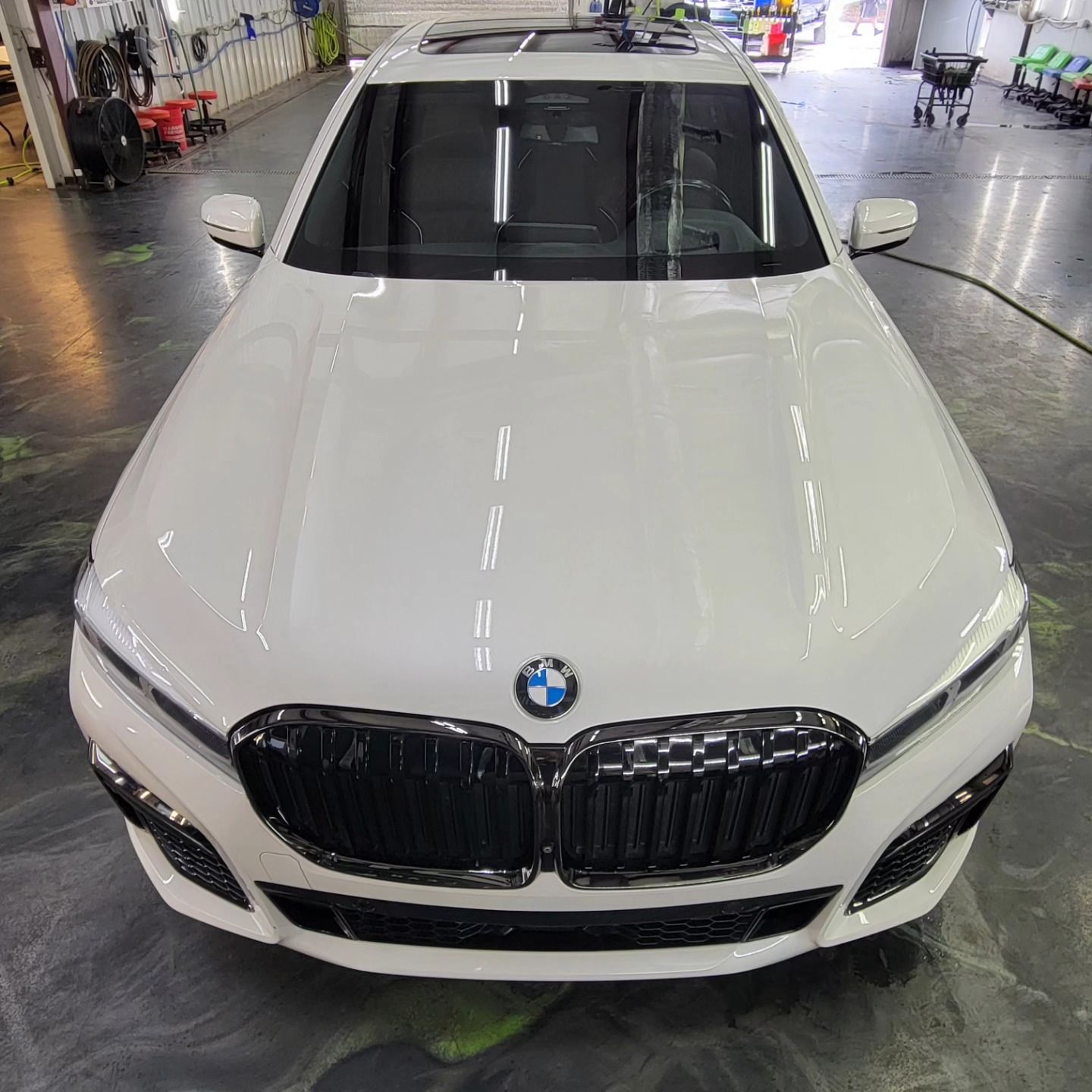
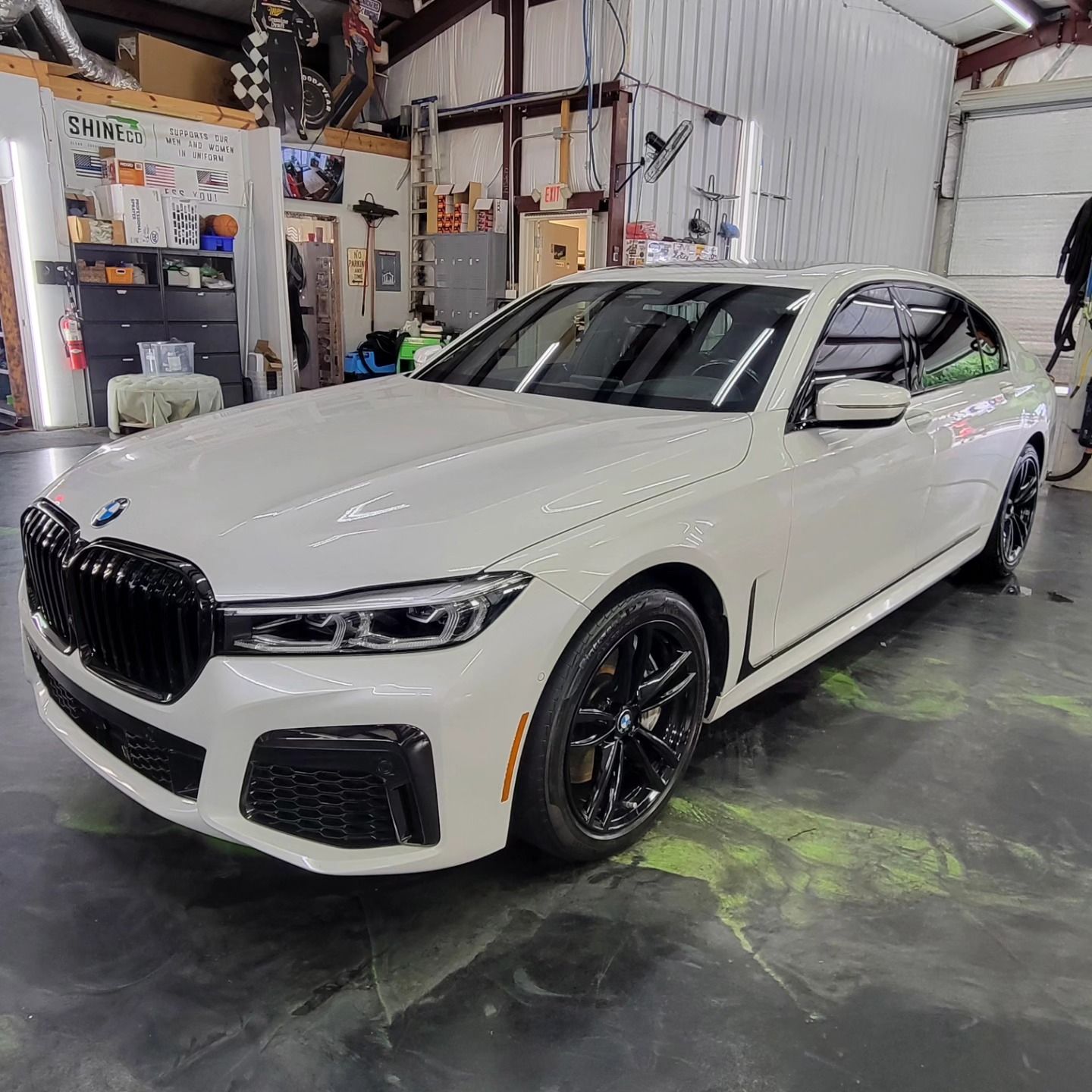
Signs Your Vehicle May Need New Window Tint
Age alone does not determine whether window tint needs replacement. Its current condition, clarity, and performance matter more.
Common warning signs include:
- Bubbles that remain after the original curing period
- Peeling, lifting, or damaged edges
- Purple, brown, or uneven color changes
- Hazy or distorted visibility through the glass
- Scratches that affect appearance or visibility
- A noticeable decline in heat or glare reduction
Damaged tint should be evaluated before it affects visibility. Professional removal is especially important on rear glass because improper tools or techniques may damage defroster lines.
Vehicle owners who notice these problems should schedule an inspection rather than attempting to remove the film themselves.
Frequently Asked Questions About Window Tint Lifespan
Can automotive window tint last forever?
No. All automotive film eventually ages. Quality film, careful installation, and proper maintenance can help it perform for many years, but no film should be treated as permanent.
Does ceramic tint usually last longer than carbon tint?
Ceramic tint generally has the longest expected lifespan, but the specific product and warranty matter. A high-quality carbon film can also provide years of reliable appearance and performance.
Will parking outside ruin window tint?
Not necessarily. Outdoor parking can accelerate aging, especially with lower-quality film, but premium tint is designed for normal sun and heat exposure. Covered parking can help when it is available.
How soon can I roll down my windows after installation?
Follow the instructions provided by the installer. The appropriate curing period depends on the film and weather conditions, so a universal timeframe may not apply to every installation.
Can damaged window tint be repaired?
A minor edge issue may sometimes be repairable. However, widespread bubbling, peeling, discoloration, or adhesive failure usually requires removal and replacement. A professional inspection can determine the best solution.
Choose Long-Lasting Window Tint in Spartanburg and Greenville, SC
Window tint can last 5 to 10 years or longer when quality film is professionally installed and properly maintained. The best result is not simply darker glass. It is a smooth, durable finish that improves comfort, reduces glare, adds privacy, and helps protect the vehicle’s interior while maintaining clear visibility.
ShineCo installs carbon and ceramic automotive window tint at our Spartanburg shop for drivers from Spartanburg, Greenville, and surrounding Upstate communities.
Request a Free Window Tint Quote or call
864-809-4385 to discuss the right option for your vehicle.
About the Author
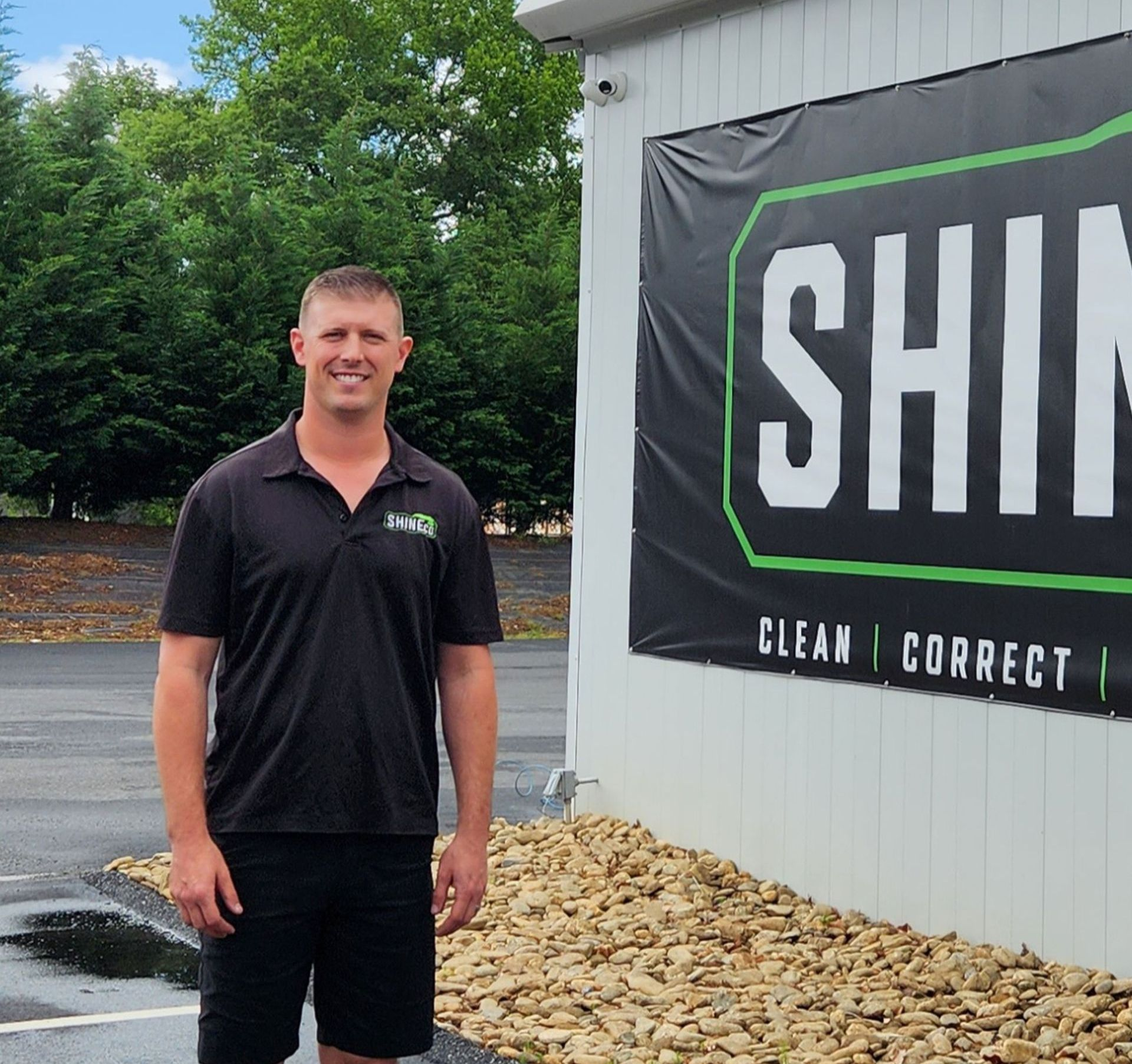
Thomas Kyle Simpson
Thomas Kyle Simpson is the Owner of ShineCo LLC with over 20 years of experience in automotive detailing. Specializing in paint correction, ceramic coatings, and PPF, he leads a nationally recognized team committed to quality and customer satisfaction. His passion-driven approach continues to shape ShineCo’s reputation for excellence.