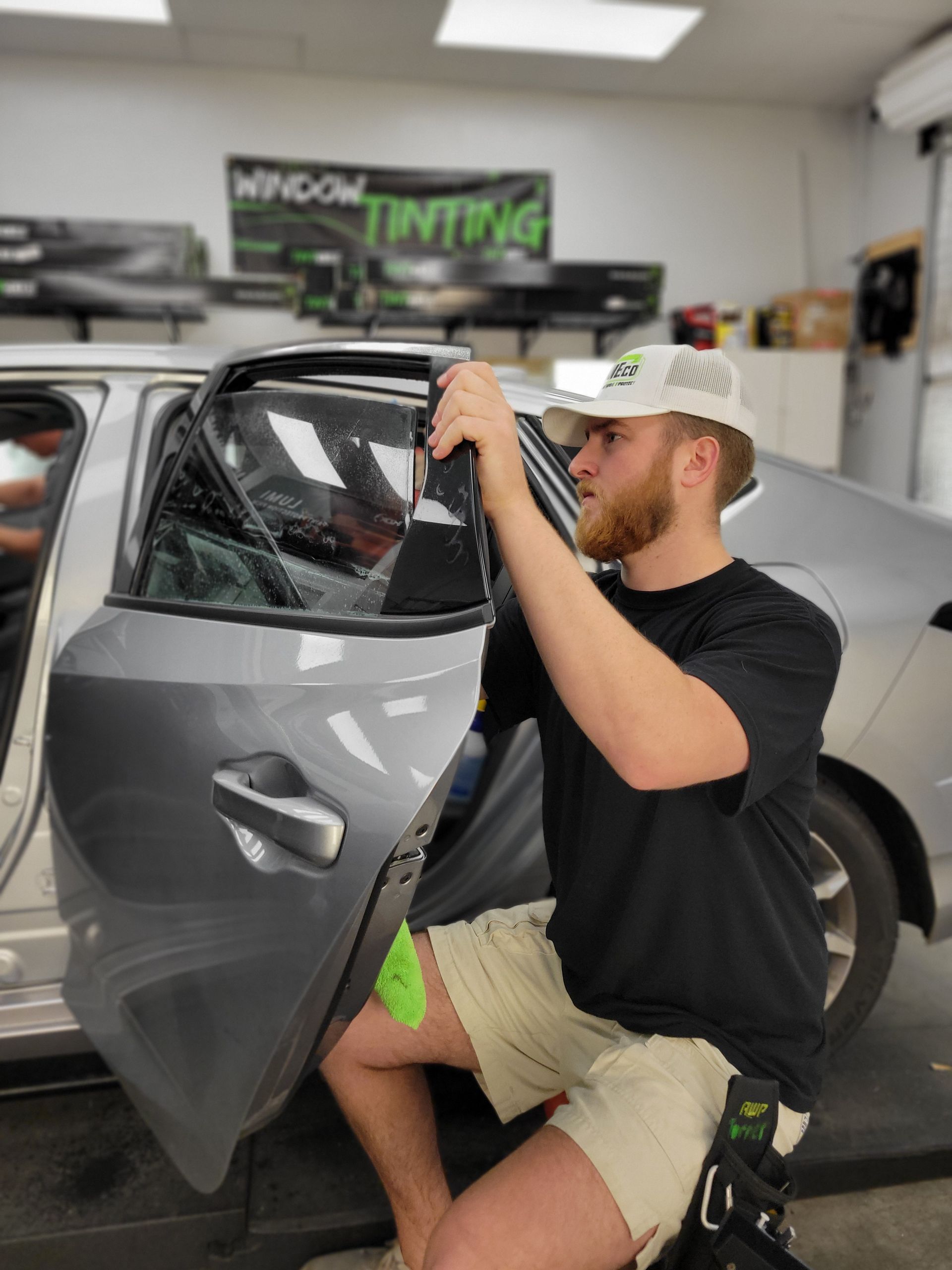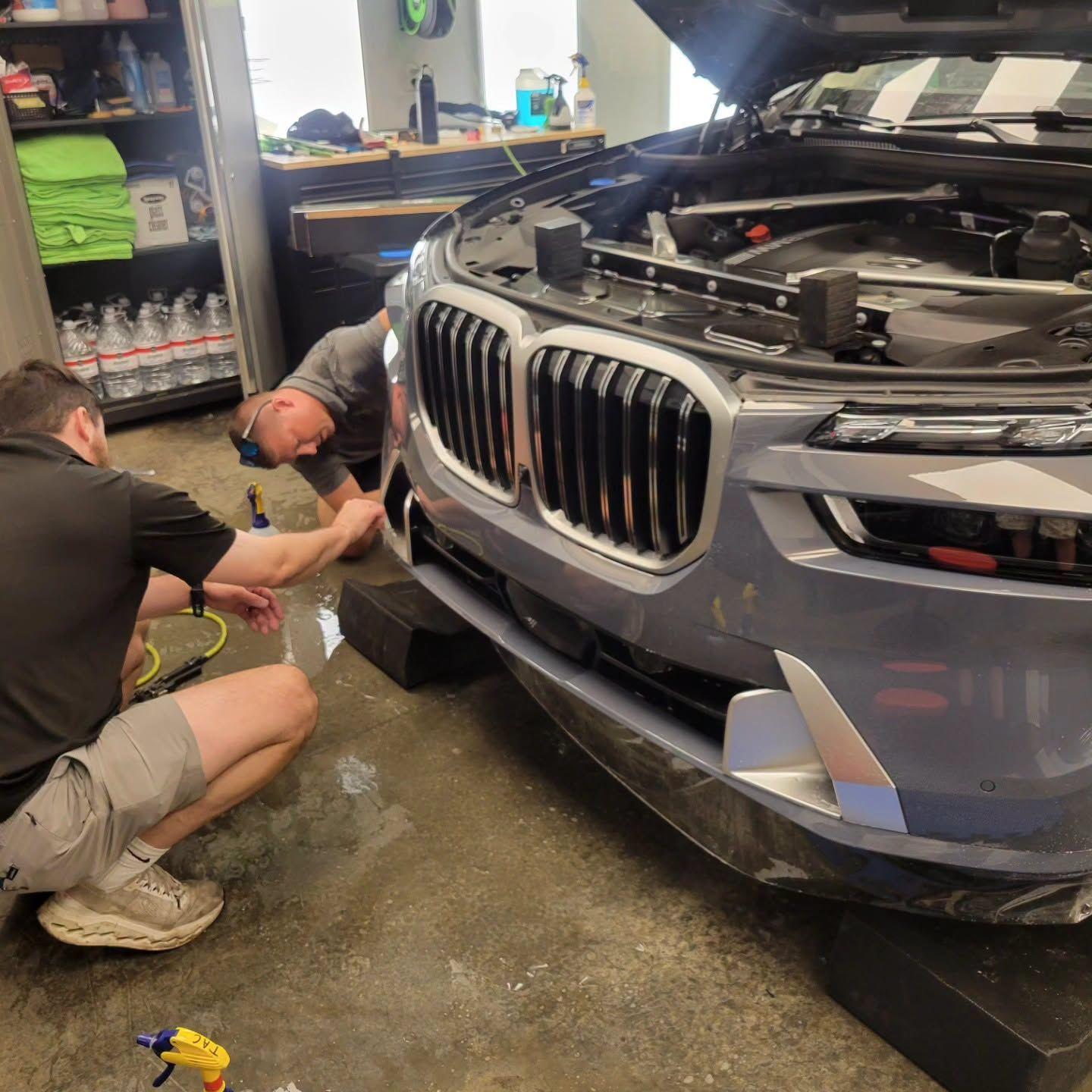
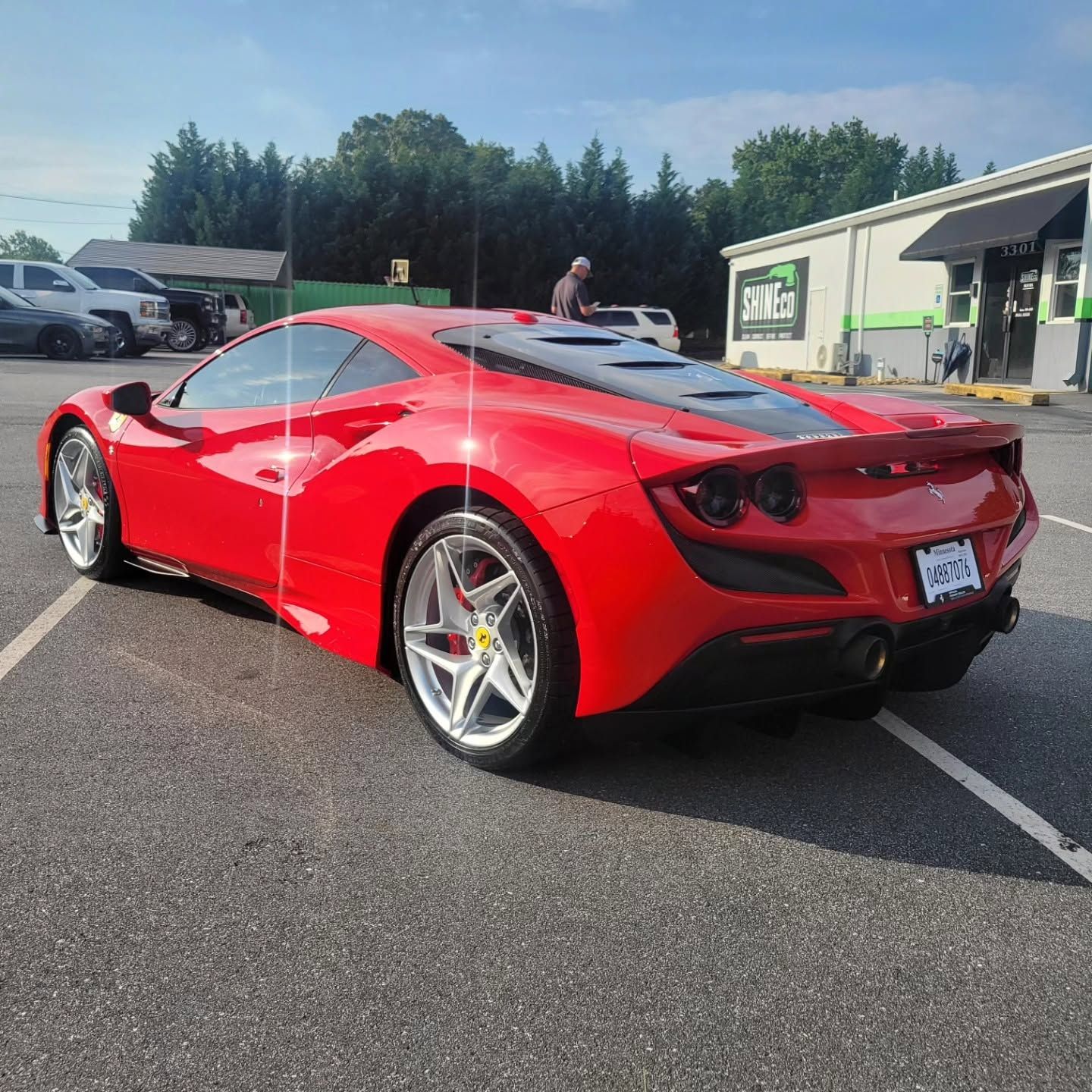
Paint Protection Film (PPF) is worth considering for performance and track cars because it provides a physical barrier against rock chips, rubber debris, brake dust, and other hazards that can damage a vehicle’s factory paint. Unlike ceramic coatings, which improve gloss and make surfaces easier to clean, PPF is designed to absorb impacts and protect vulnerable areas from road and track conditions.
At ShineCo, we install professional SunTek Paint Protection Film for drivers throughout Spartanburg, Greenville, and the surrounding Upstate South Carolina area. Whether you own a dedicated track vehicle, a weekend performance car, or a luxury vehicle you want to preserve, the right PPF coverage can help protect your investment and maintain the appearance of your paint.
Why Track Cars Need More Paint Protection
Performance vehicles experience conditions that are much harsher than everyday driving. During track days, tires can throw rubber debris onto body panels, brake systems release aggressive dust particles, and gravel from racing surfaces can strike the front end at high speeds.
A single event can create chips and surface damage that may require paint correction or repainting to restore the original finish. Areas such as the front bumper, hood, fenders, mirrors, and rocker panels often receive the most exposure because they are directly affected by airflow and debris.
For drivers in Spartanburg and Greenville, there are several opportunities for performance driving, including events at the BMW Performance Center, Carolina Motorsports Park, and nearby Michelin Raceway Road Atlanta. If you regularly participate in track events, protecting your paint before damage occurs can help reduce long-term maintenance costs.
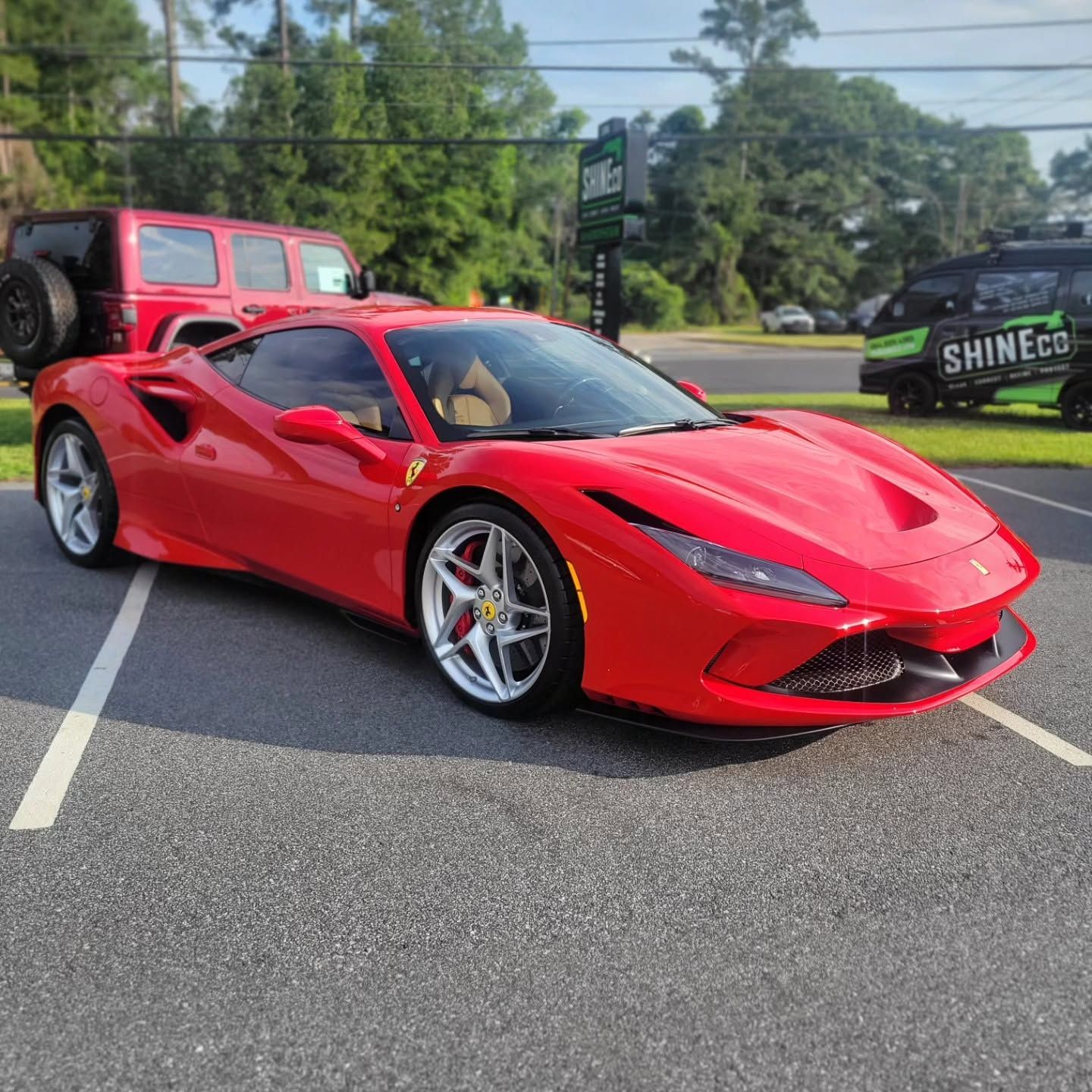
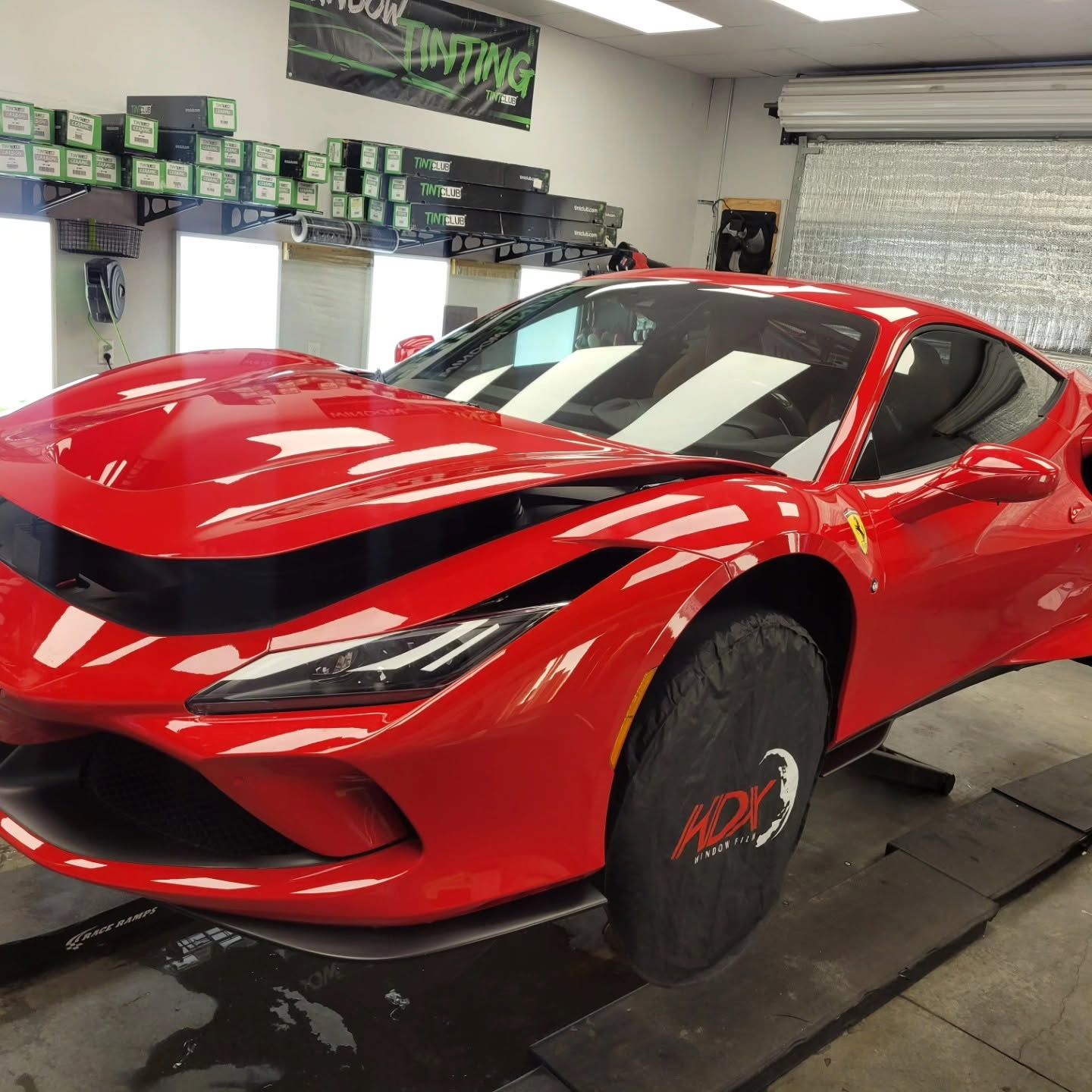
How Paint Protection Film Protects Performance Vehicles
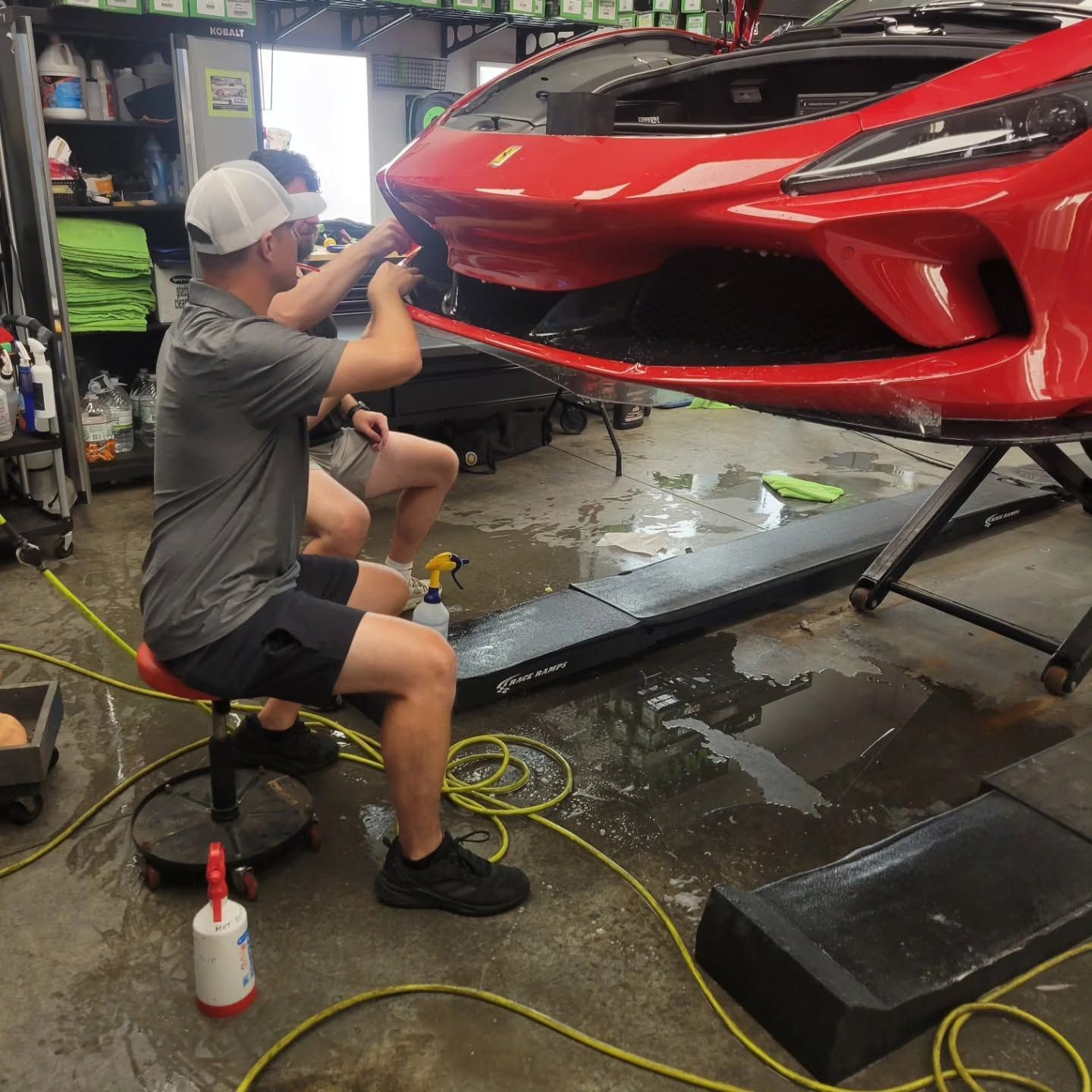
Paint Protection Film is a clear urethane film designed to protect painted surfaces from everyday hazards and high-impact debris. At ShineCo, we install SunTek PPF, an 8 mil self-healing film engineered to provide durable protection while maintaining the appearance of the vehicle underneath.
The thickness of PPF helps absorb impacts from road debris that could otherwise chip the clear coat. The flexible material also allows professional installers to cover complex areas such as bumper curves, fender edges, and body contours while maintaining a clean appearance.
Modern PPF includes a hydrophobic top coat that helps water, dirt, and contaminants release more easily from the surface. It also provides protection against UV exposure, which is especially important for vehicles regularly exposed to South Carolina’s sun and outdoor conditions.
One of the most recognized features of premium PPF is its self-healing top coat. Light scratches and swirl marks caused by washing or normal use can disappear when exposed to heat from sunlight or warm water. While PPF cannot repair deep scratches or major damage, it helps prevent minor surface imperfections from becoming permanent.
With proper care and maintenance, quality paint protection film can typically last several years depending on usage, climate exposure, and maintenance habits.
Where PPF Coverage Matters Most on Track Cars
The best PPF coverage depends on how and where you drive your vehicle. Track cars typically experience the greatest amount of impact near the front of the vehicle, where debris is pushed upward by airflow and other vehicles.
Common areas for performance vehicle PPF installation include:
- Front bumper
- Full hood
- Front fenders
- Mirror caps
- Rocker panels
- Headlights
- Fog lights
- A-pillars
Some vehicles may also benefit from additional coverage on areas such as front splitters, air dams, grilles, or other aerodynamic components.
At ShineCo, we offer multiple coverage options, including Front Bumper Only, Partial Front End, Full Front End, Track Pack PPF, and Full Vehicle PPF. Our team can evaluate your vehicle and recommend coverage based on your driving habits and protection goals.
Professional PPF Installation vs DIY Kits
DIY PPF kits may appear simple, but achieving a professional result requires experience, preparation, and controlled installation conditions. Even small amounts of dust, grease, or contamination underneath the film can affect the final appearance.
Proper installation also requires careful stretching and positioning to avoid wrinkles, bubbles, and lifting edges. For track vehicles, poorly installed film can create additional issues because high speeds and harsh conditions place more stress on the material.
Paint preparation is another important part of the process. PPF does not hide existing scratches, swirl marks, or paint defects. Any imperfections left on the surface before installation will remain visible beneath the film.
That is why ShineCo performs a vehicle inspection before installation and may recommend paint correction when necessary. Correcting the paint first helps ensure the film enhances the vehicle instead of preserving existing imperfections.
Combining PPF With Ceramic Coating
PPF and ceramic coatings provide different types of protection, which is why many performance vehicle owners choose to combine them.
Paint Protection Film provides impact resistance by creating a protective layer between the vehicle’s paint and outside hazards. Ceramic coating enhances the surface by adding gloss, improving water repellency, and making cleaning easier.
Ceramic coating does not prevent rock chips or replace the protective benefits of PPF. However, applying a ceramic coating over PPF can help reduce the buildup of brake dust, rubber residue, and other contaminants after track use.
At ShineCo, we offer SB3 ceramic coating options designed to complement paint protection solutions and help maintain a cleaner, more refined finish.
How to Maintain PPF After Track Use
Proper maintenance helps extend the appearance and performance of your paint protection film.
After a track event, rinse the vehicle thoroughly to remove brake dust, rubber residue, and loose debris before washing. Avoid aggressive scrubbing that can move contaminants across the surface and create unnecessary wear.
Use a pH-neutral automotive shampoo and high-quality microfiber towels to safely clean the vehicle. Avoid harsh chemicals or abrasive tools that may affect the film’s finish.
It is also important to inspect PPF regularly for lifting edges, bubbles, or damage. Addressing small issues early can help prevent larger problems later.
For additional protection, use products specifically designed for PPF and ceramic-coated surfaces rather than traditional waxes or sealants that may not be compatible.
Is PPF Worth the Investment for a Track Car?
For performance vehicle owners, the value of PPF comes from preventing costly paint repairs and preserving the original finish. Repainting a bumper, hood, or other panels can be expensive, and repaired paint may affect the vehicle’s resale appeal.
A vehicle with well-maintained factory paint often retains more value than one with visible chips, damage, or previous repainting. For drivers who attend multiple track events each year, PPF can provide long-term protection that helps preserve both appearance and investment.
Protect Your Performance Vehicle With ShineCo
ShineCo provides professional Paint Protection Film installation, ceramic coatings, and paint protection solutions for drivers in Spartanburg, Greenville, and the surrounding Upstate South Carolina area.
Whether you need targeted track car protection or full vehicle coverage, our team can help determine the right solution for your vehicle.
Contact ShineCo at
(864) 809-4385 or request a quote to discuss your PPF needs and protect your vehicle’s finish for years to come.
About the Author
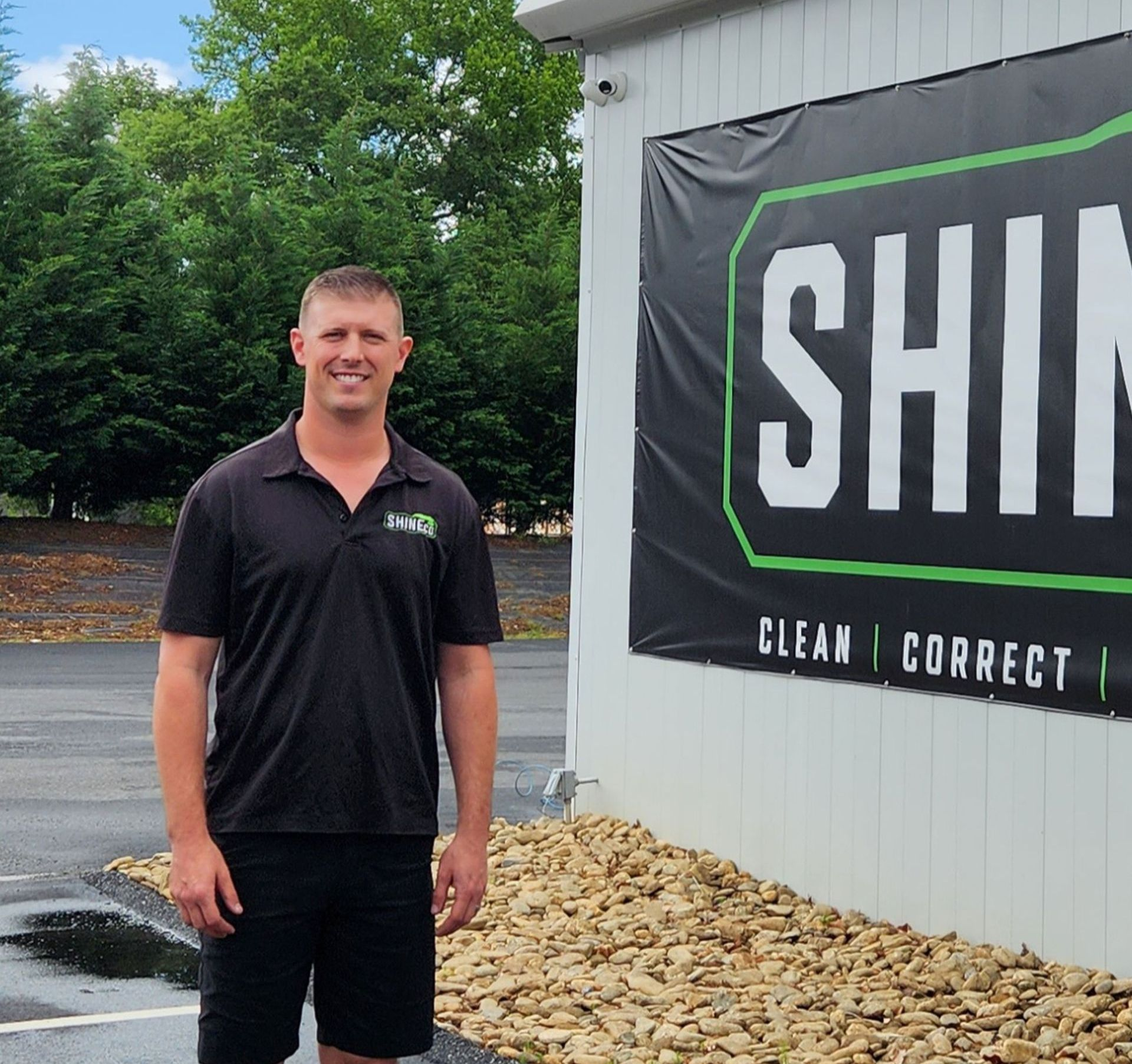
Thomas Kyle Simpson
Thomas Kyle Simpson is the Owner of ShineCo LLC with over 20 years of experience in automotive detailing. Specializing in paint correction, ceramic coatings, and PPF, he leads a nationally recognized team committed to quality and customer satisfaction. His passion-driven approach continues to shape ShineCo’s reputation for excellence.