Paint Protection Film (PPF) may look simple from the outside, but proper installation requires skill, precision, and a controlled environment. Many vehicle owners assume the process involves applying a clear film over clean paint, but even small installation errors can cause long term problems.
Defects such as silvering, lift lines, stretch marks, and trapped debris often appear weeks or months after installation. These problems affect both the appearance and durability of the film.
At
ShineCo, our team regularly sees vehicles with poorly installed PPF that requires correction or replacement. In this guide, we explain the most common invisible PPF installation mistakes, why they happen, and how professional installers prevent them. If you are considering paint protection film in Spartanburg or Greenville, SC, understanding these details can help you make a better decision.
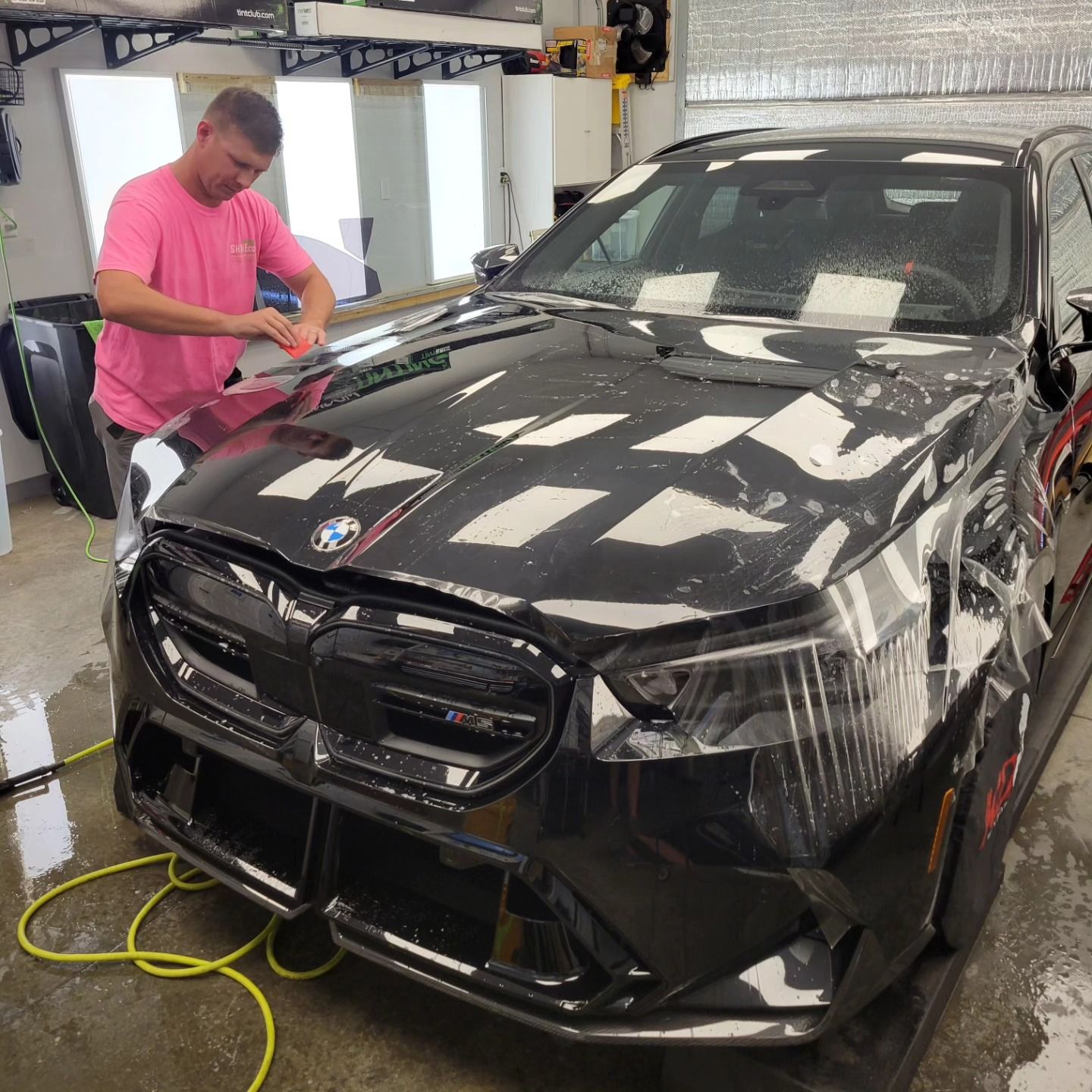
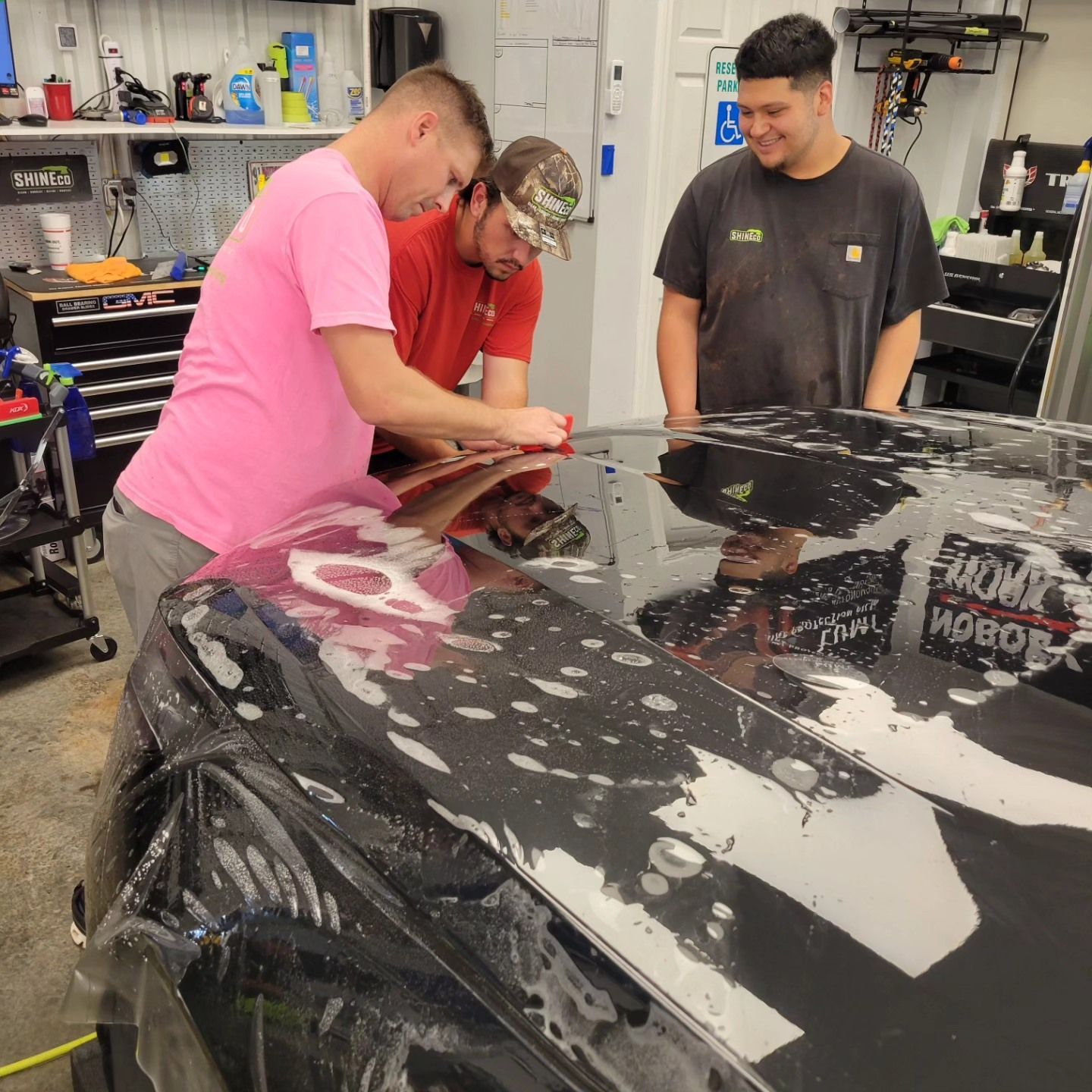
Why Surface Preparation Is Critical for PPF Installation
The quality of a paint protection film installation begins before the film ever touches the vehicle. Surface preparation is one of the most important steps in the entire process, and it is also where many DIY installations fail.
Before PPF is installed, the paint must be completely free of contaminants such as dirt, oil residue, wax, road tar, and tree sap. Even tiny particles left behind can interfere with adhesion and create bubbles under the film.
At ShineCo, every installation begins with a full decontamination process that includes hand washing, chemical cleaning, and clay bar treatment. The clay bar removes microscopic contaminants embedded in the paint without damaging the clear coat. This step ensures the film can bond properly to the surface.
Paint condition is also evaluated before installation. Scratches, swirl marks, and oxidation will remain visible underneath the film if they are not corrected first. Because PPF locks the surface underneath it, professional installers often recommend paint correction before installation.
Small imperfections may seem minor, but they can create air pockets beneath the film. Over time those pockets can expand and lead to bubbling, edge lifting, or adhesion failure.
Hidden PPF Installation Errors That Appear Weeks Later
Even when the surface is prepared properly, mistakes during film application can cause problems that appear later. These issues are often invisible immediately after installation but become noticeable over time.
Stretch Marks and Improper Film Tension
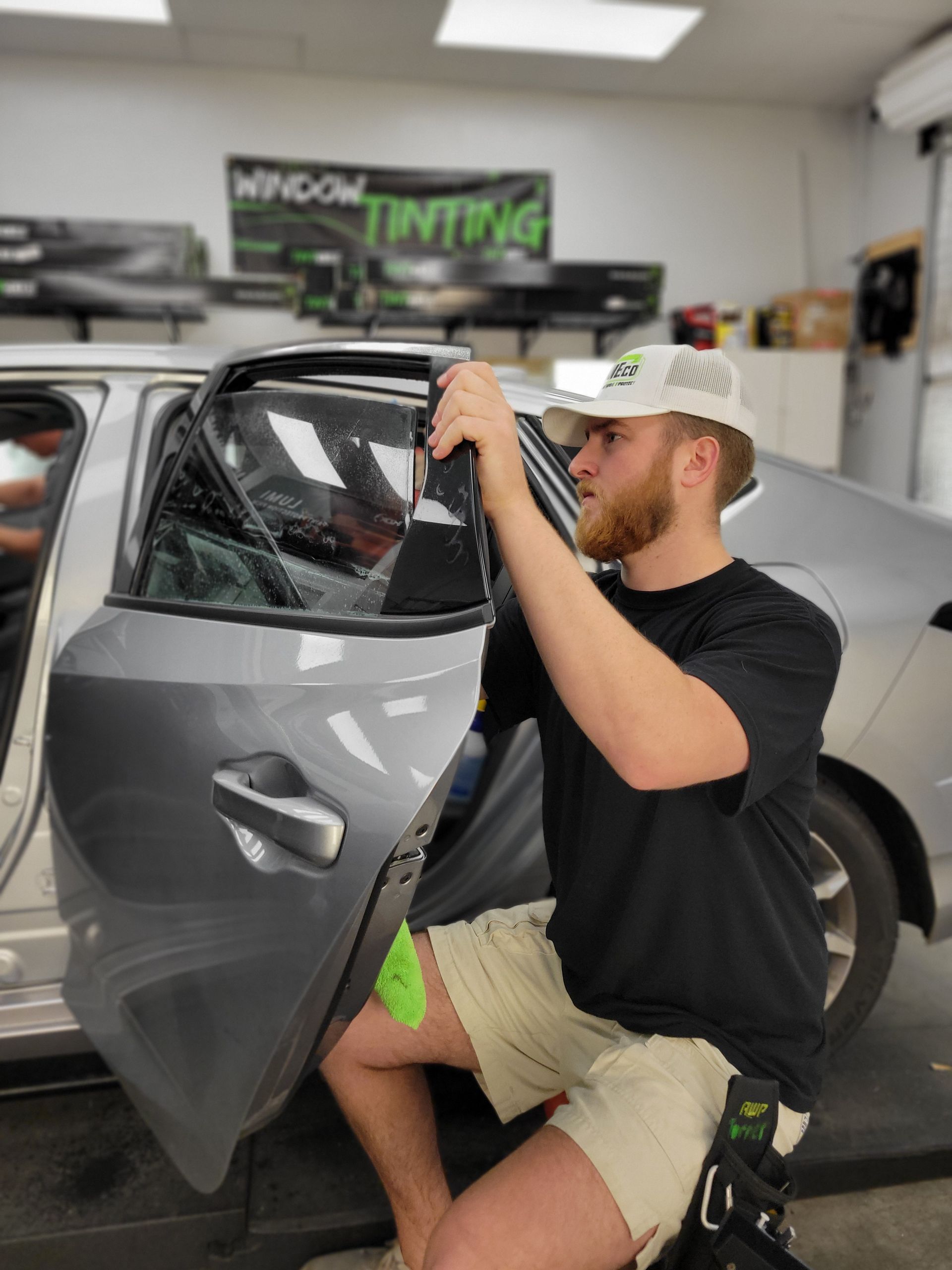
Paint protection film must be stretched slightly to conform to complex body panels. If the film is stretched too aggressively, the urethane material develops internal stress points.
These stress points eventually lead to stretch marks, edge lifting, or premature failure. On the other hand, insufficient tension can leave wrinkles or uneven surfaces that are difficult to correct once the film cures.
Professional installers develop the correct balance of tension through experience. The appropriate level of stretch depends on the panel shape, film thickness, and installation temperature.
Lift Lines and Silvering Along Edges
Silvering is a hazy appearance that occurs when air pockets form along the edge of the film. Lift lines appear when the film separates slightly from the paint near panel edges or body creases.
Both problems usually result from poor edge wrapping or insufficient adhesion during installation. Once the edges begin to lift, moisture and debris can enter underneath the film and accelerate the damage.
Trapped Debris Beneath the Film
Even a small dust particle trapped beneath PPF becomes visible once the film is applied. The particle creates a raised bump that cannot be removed without lifting the film.
This issue often occurs when installations are performed in uncontrolled environments such as garages or outdoor spaces.
Professional shops like ShineCo use clean installation spaces with controlled temperature and airflow. These conditions reduce airborne contamination and help produce a flawless finish.
Common Paint Protection Film Installation Mistakes
Several common installation mistakes can affect the appearance and performance of paint protection film if they are not addressed during the installation process. One of the most frequent issues is trapped debris or contaminants beneath the film. This usually appears as small raised bumps that become visible when light reflects across the surface. ShineCo prevents this problem by performing a full decontamination process before installation and working within a controlled indoor environment to minimize airborne particles.
Another common problem occurs when installers overstretch the film during application. Overstretching can create stretch marks, wrinkles, and premature edge lifting as the film begins to relax over time. ShineCo installers carefully control film tension and apply the material using proven techniques developed through extensive installation experience.
In contrast, understretching the film can also cause visible defects. When the film is not stretched enough, wrinkles and uneven surfaces can form across the panel. To prevent this, ShineCo uses controlled heat application to help the film conform smoothly to the contours of the vehicle.
Poor edge sealing is another installation mistake that can lead to problems such as silvering, lift lines, and moisture entering beneath the film. These issues often worsen over time as water, dirt, and debris begin to work their way under the edges. ShineCo addresses this risk by wrapping and sealing film edges carefully to ensure strong adhesion and long term durability.
Finally, misaligned film panels can create visible seams or uneven coverage across the vehicle's surface. This typically happens when installers cut film manually or rush the installation process. ShineCo prevents this issue by using computer cut templates designed specifically for each vehicle model, which allows for precise panel alignment and a seamless finish.
How Professional Installers Achieve Flawless Results
Professional paint protection film installation combines experience, specialized tools, and controlled conditions.
Precision Heat Application
PPF becomes more flexible when warmed properly. Controlled heat allows installers to shape the film around curves, body lines, and edges without creating tension points.
Applying too little heat makes the film difficult to position. Applying too much heat can damage the material or affect its clarity.
At ShineCo, installers apply heat gradually and methodically to each section of the vehicle.
Computer Cut Film Templates
Modern PPF installations rely on computer generated templates designed for specific vehicle models. These templates ensure that each panel fits precisely.
Using computer cut patterns eliminates the need to trim film directly on the paint. This reduces the risk of accidental scratches or uneven edges.
ShineCo uses SunTek paint protection film templates designed specifically for each make and model.
Edge Wrapping and Sealing
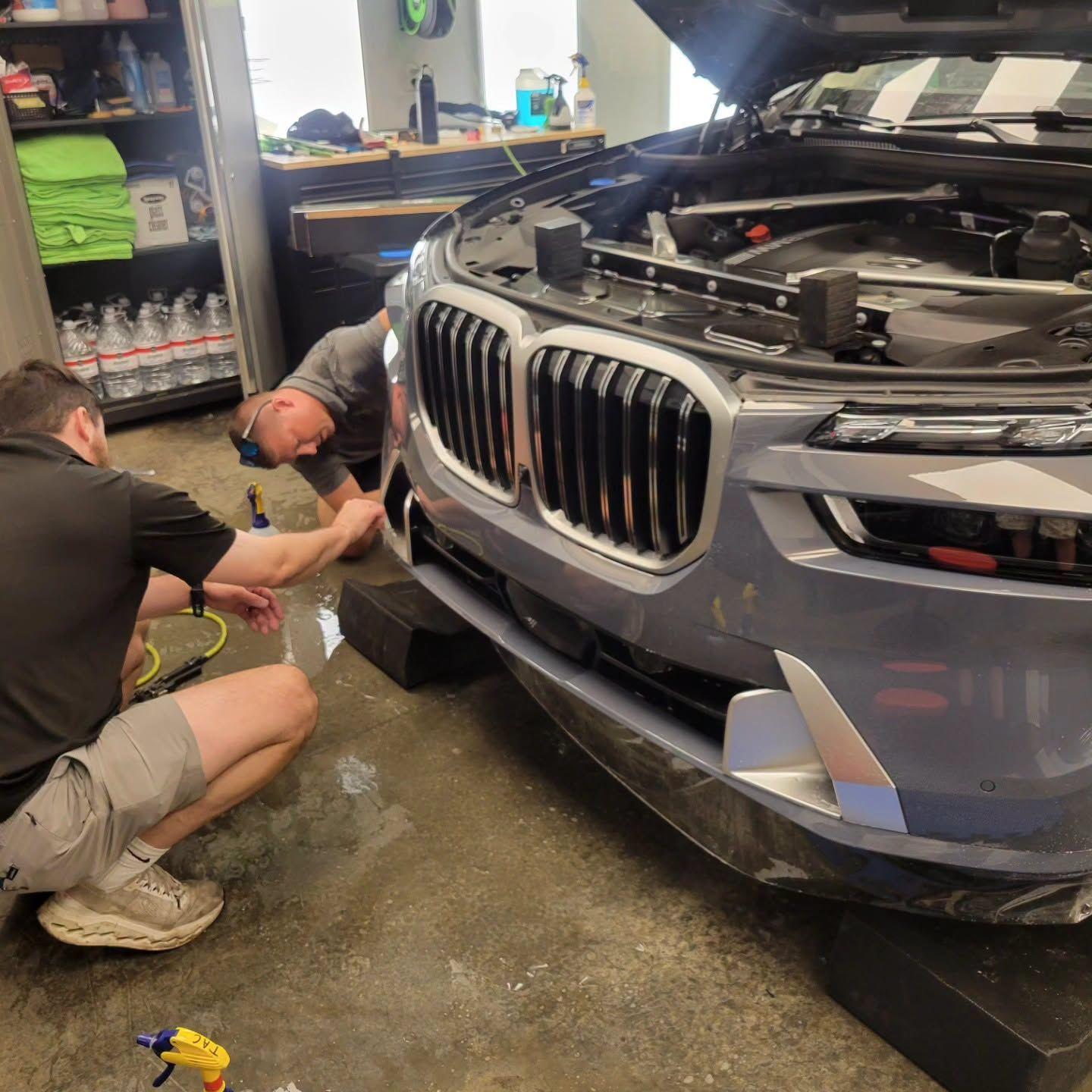
Edges are the most vulnerable part of any PPF installation. If edges are not wrapped and sealed properly, they can begin lifting after exposure to water, heat, and road debris.
Professional installers wrap film around panel edges whenever possible to protect these areas and maintain a seamless appearance.
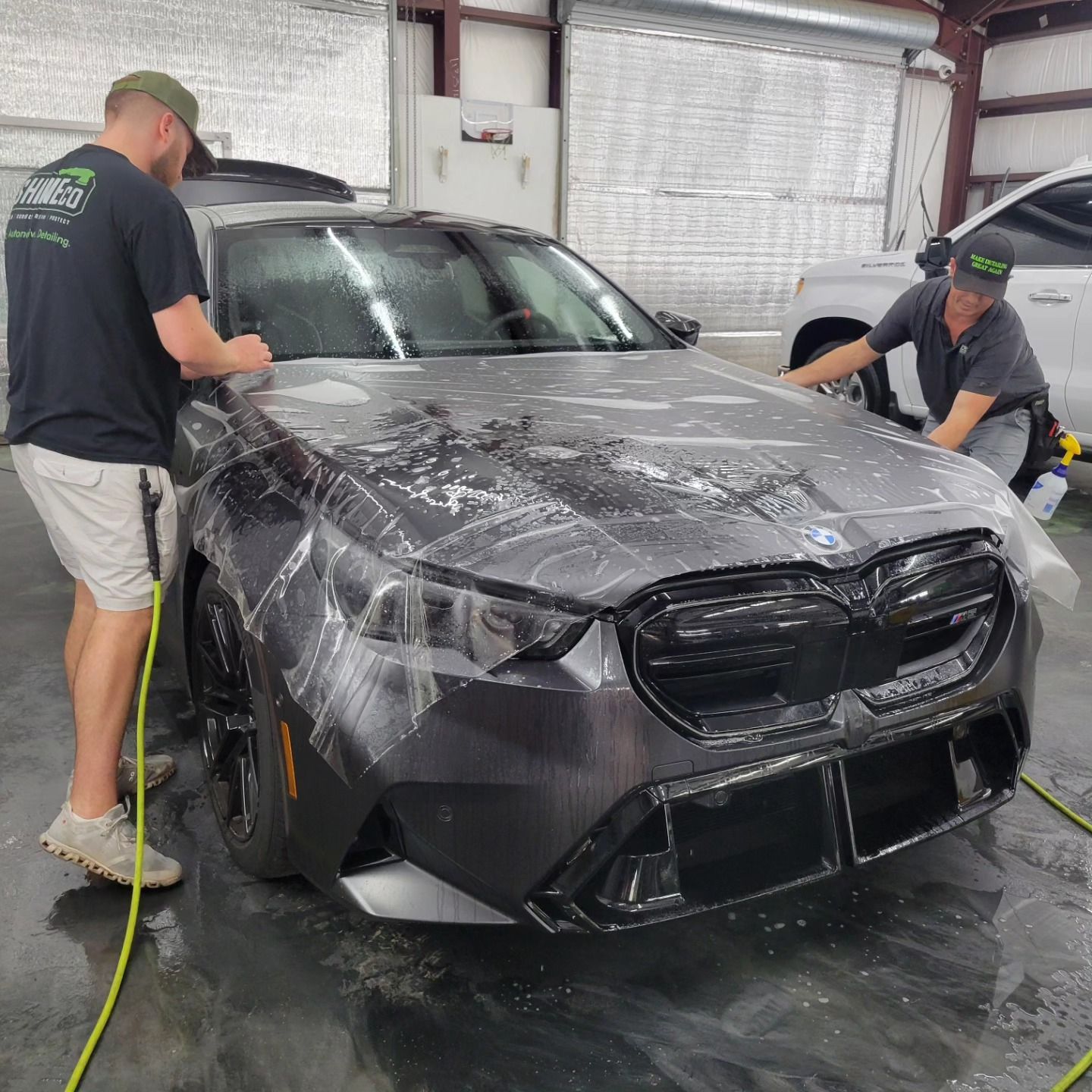
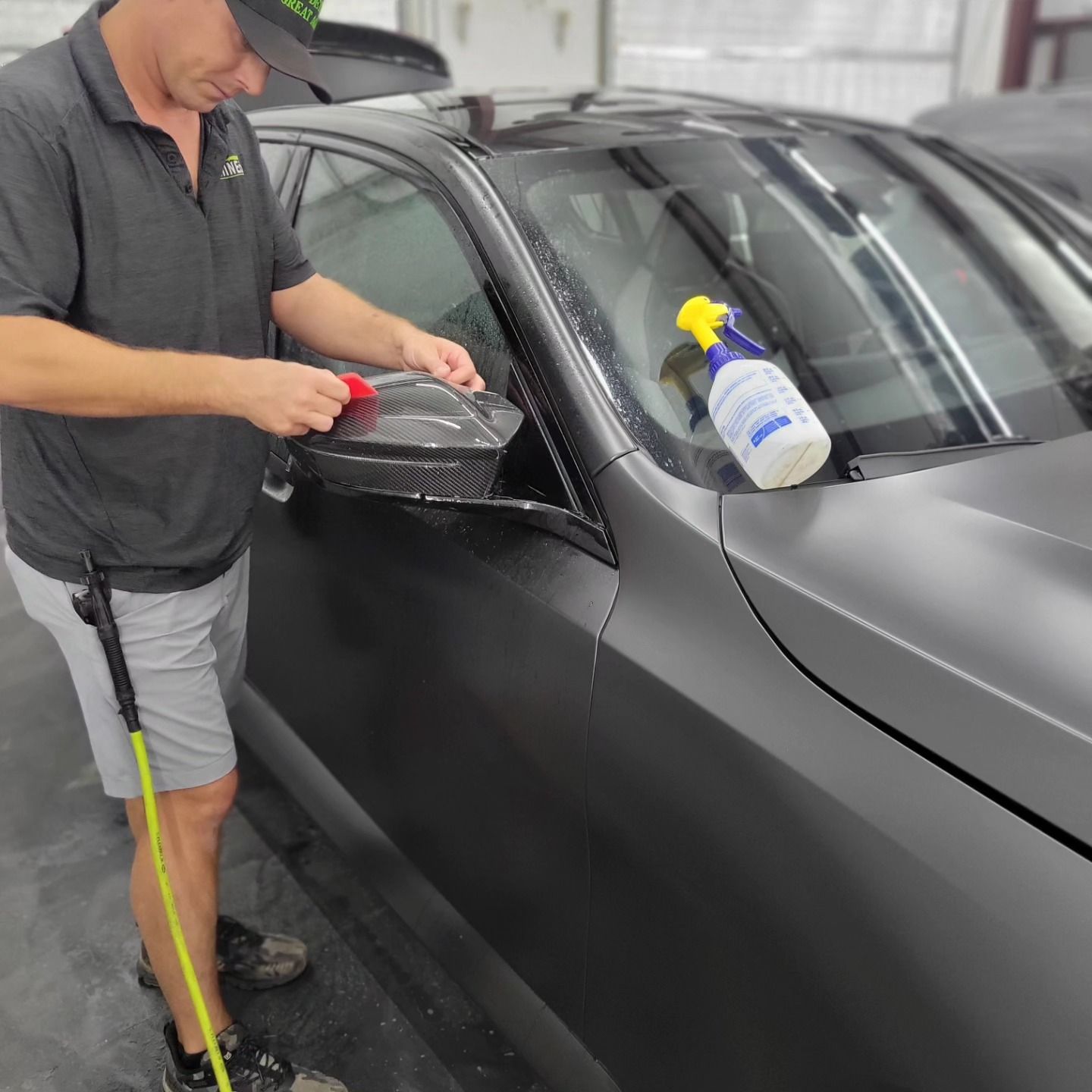
What Bubbling or Misalignment Means After Installation
Small bubbles can sometimes appear immediately after installation. In many cases these bubbles disappear during the curing process as the slip solution evaporates and the adhesive bonds fully.
However, bubbles that persist for more than a few days may indicate trapped air or contamination.
Professional correction typically involves releasing the trapped air with a fine needle and gently smoothing the film with a soft squeegee. This process requires precision to avoid damaging the film.
Misalignment is another issue that may occur if installers rush the process or fail to follow reference points during installation. Because paint protection film reflects light across curved surfaces, even slight misalignment can become noticeable.
Professional installers apply film from a fixed reference point and work outward to maintain consistent tension and alignment.
Why Professional PPF Installation Matters
Paint protection film protects vehicles from rock chips, road debris, UV exposure, and environmental damage. When installed correctly, PPF can preserve the vehicle’s finish for many years.
However, poor installation can lead to visible defects, reduced durability, and premature film failure.
At ShineCo, every vehicle undergoes a detailed preparation and installation process designed to prevent these issues.
Our installation process includes:
- Full paint inspection and decontamination
- Optional paint correction when necessary
- Computer cut SunTek film templates
- Controlled indoor installation environment
- Certified installation techniques
- Final inspection before delivery
After installation, customers receive care instructions that include proper washing techniques, recommended sealant maintenance, and tips for protecting film edges.
Long time ShineCo customer David Middleton shared his experience:
"The quality of work is unmatched for the price. Their ability to make old and abused paint look showroom new shows how skilled their team truly is."
Professional Paint Protection Film in Spartanburg and Greenville SC
If you want paint protection film that looks flawless and lasts for years, professional installation is essential.
ShineCo provides expert paint protection film installation in Spartanburg and Greenville, SC, helping vehicle owners protect their paint from daily wear and environmental damage.
Our experienced team uses premium SunTek film, advanced installation techniques, and a controlled workspace to deliver consistent results.
Call
ShineCo at (864) 809-4385 or visit
goshineco.com/contact to request a free quote. Our team is ready to inspect your vehicle, answer your questions, and recommend the best paint protection solution for your needs.
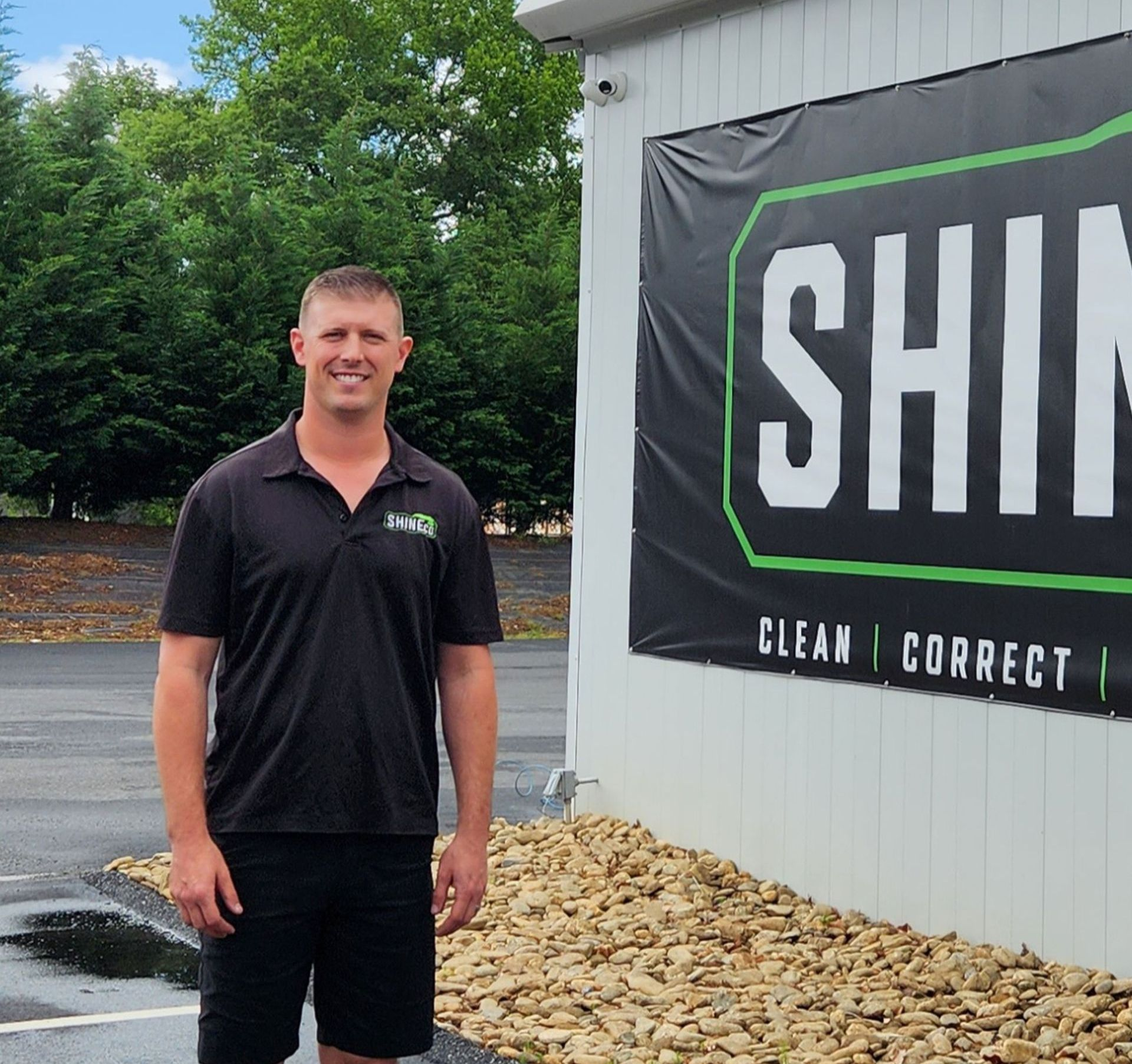
About the Author
Thomas Kyle Simpson
Thomas Kyle Simpson is the Owner of ShineCo LLC with over 20 years of experience in automotive detailing. Specializing in paint correction, ceramic coatings, and PPF, he leads a nationally recognized team committed to quality and customer satisfaction. His passion-driven approach continues to shape ShineCo’s reputation for excellence.