If you have ever struggled with glare while driving or returned to a car that feels like an oven after sitting in the sun, you already understand why automotive window tinting is so popular. Window tinting improves comfort, protects your vehicle, and enhances the overall driving experience.
Automotive window tinting involves applying a specialized film to your vehicle’s glass to reduce heat, glare, and ultraviolet radiation. Modern tint films can block harmful UV rays, lower interior temperatures, and provide added privacy. For drivers in Spartanburg and Greenville, South Carolina, where summer heat and sun exposure are common, window tinting is both a practical upgrade and a smart investment in your vehicle.
What Is Automotive Window Tinting
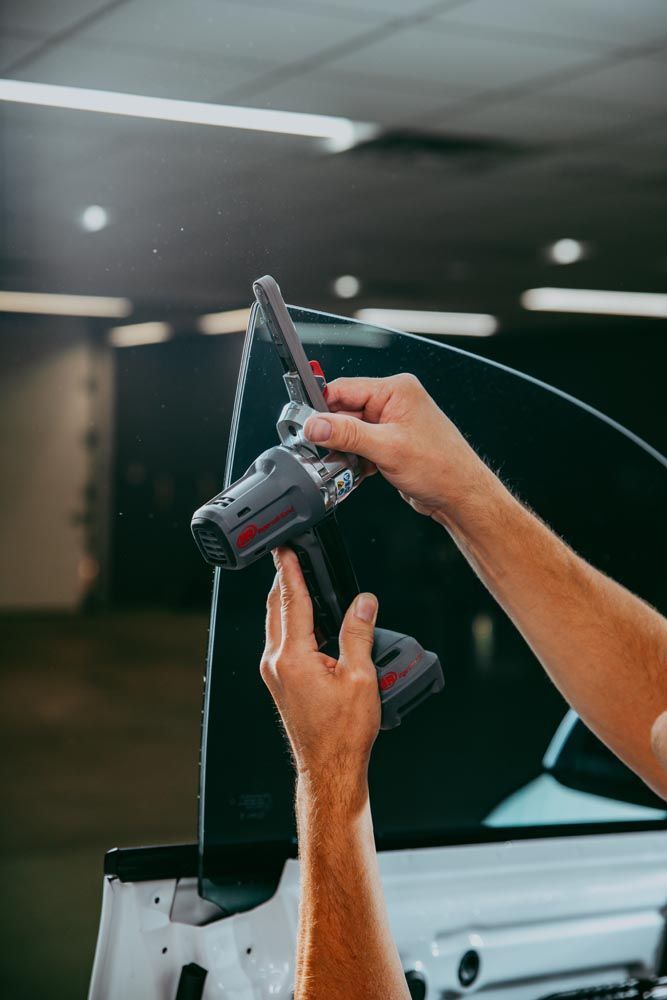
Automotive window tinting is the process of applying a thin protective film to the inside surface of a vehicle’s windows. The film is usually made from durable polyester and engineered with layers designed to control how sunlight enters the vehicle.
These layers work together to reduce glare, block ultraviolet radiation, and limit infrared heat. In simple terms, window tint acts like sunglasses for your car. Instead of protecting your eyes, it protects the cabin of your vehicle and everyone inside it.
When sunlight passes through untreated glass, it carries heat and UV radiation that can raise cabin temperatures and damage interior materials. Quality tint films reduce this effect by absorbing or reflecting portions of the sunlight before it enters the vehicle.
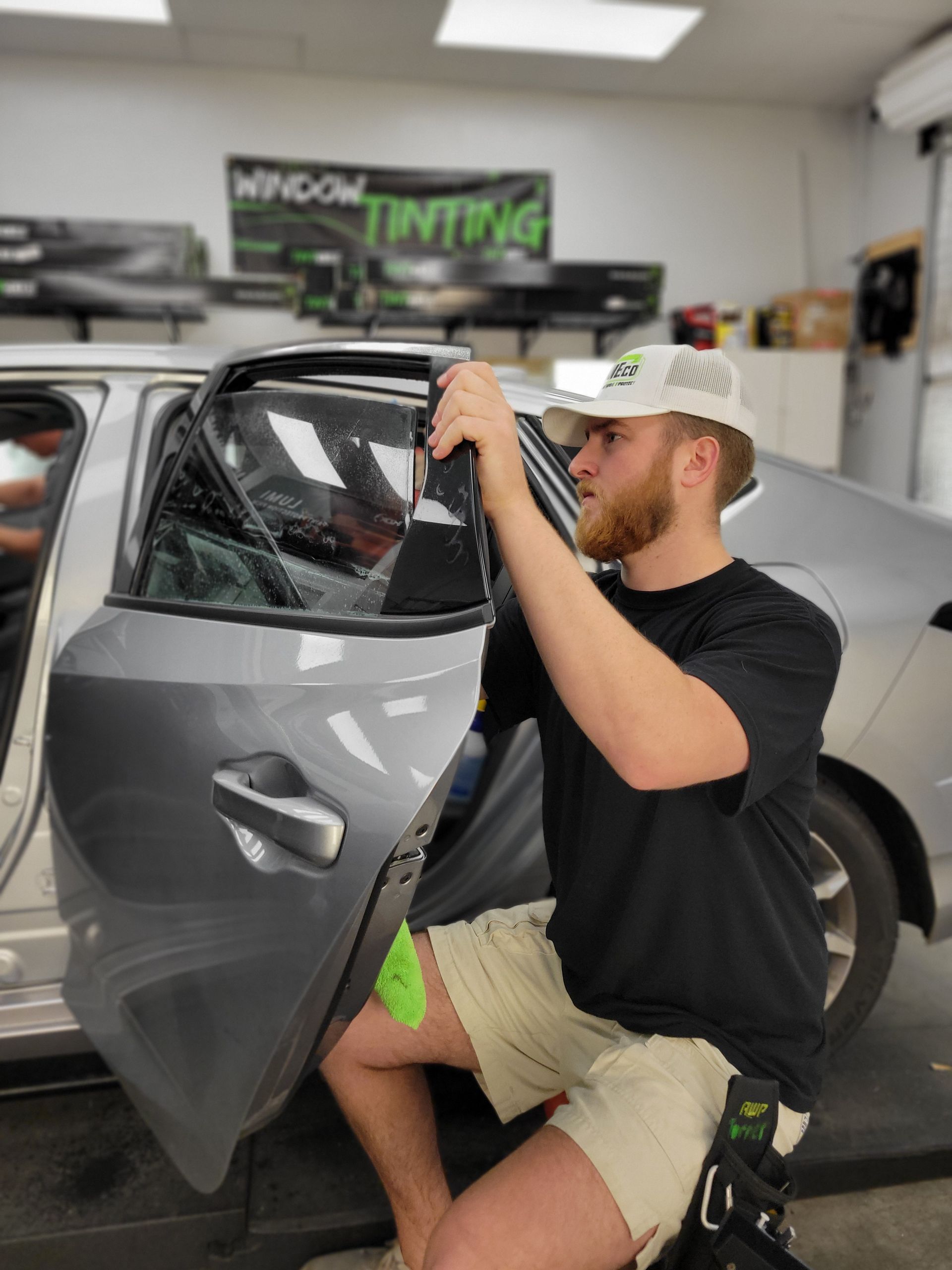
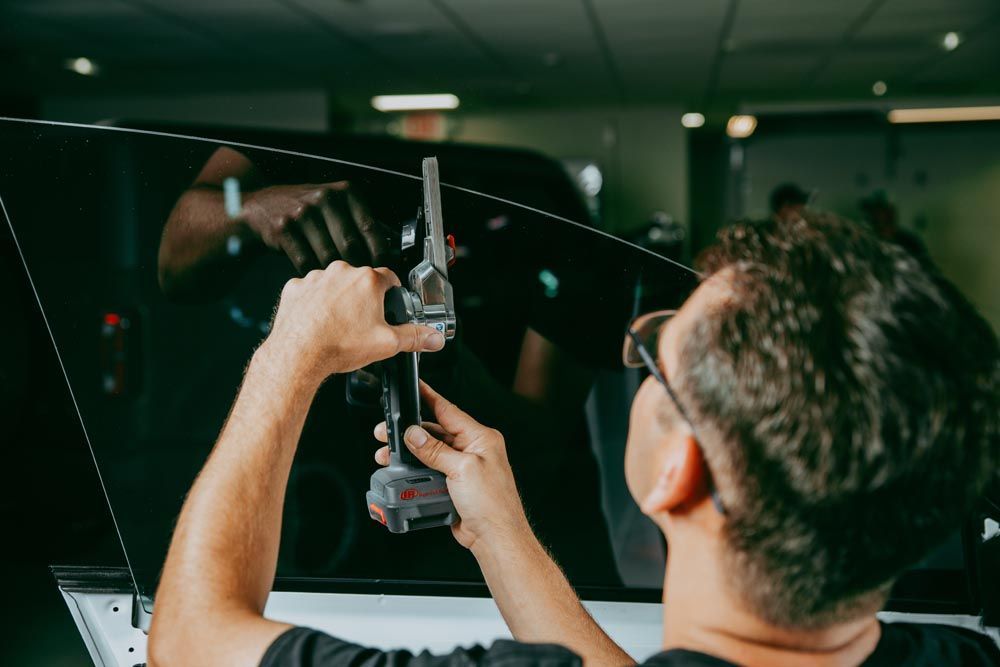
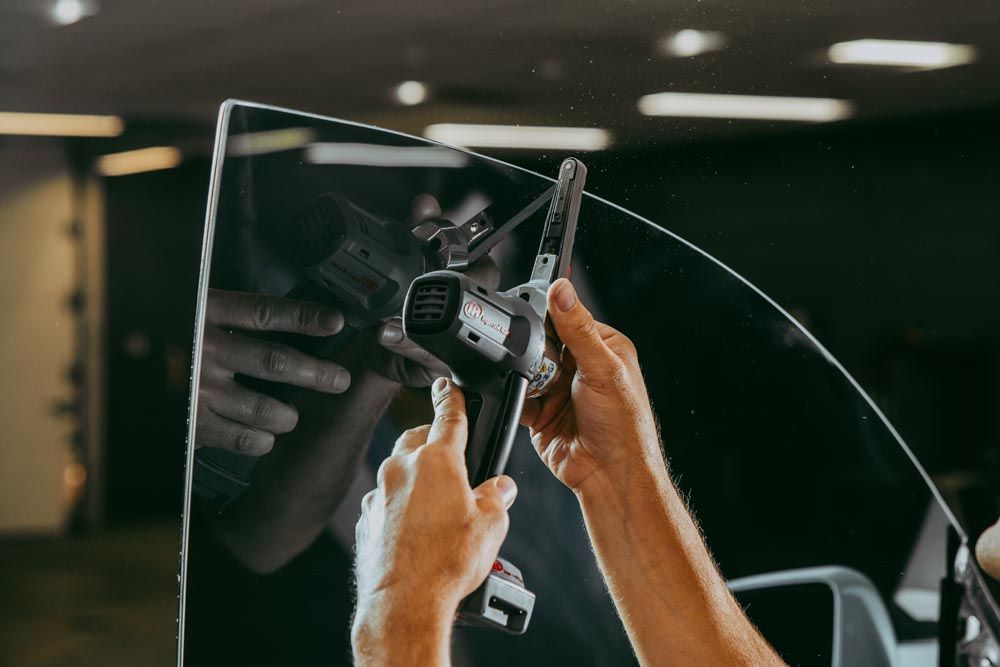
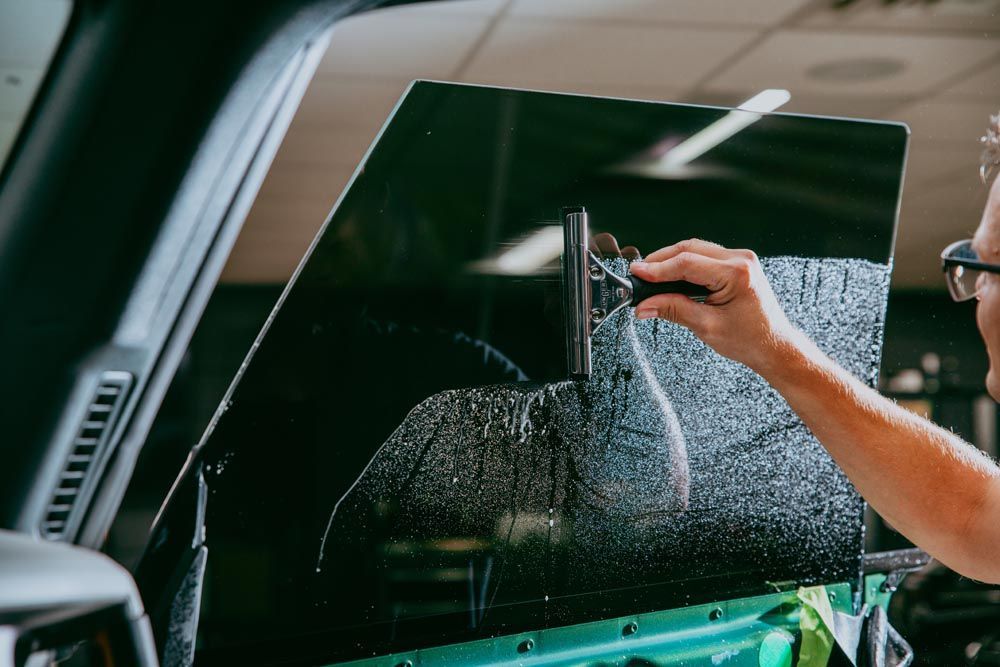
Professional installation ensures the film fits perfectly to each window. Technicians clean the glass, precisely cut the film, apply it using specialized tools, and remove air bubbles for a smooth finish. When installed correctly, window tint can last many years without peeling, fading, or discoloring.
Types of Automotive Window Tint Films
Not all window tint films perform the same way. Different materials provide different levels of heat rejection, UV protection, durability, and visual appearance.
Dyed Window Tint
Dyed window tint is one of the most common and affordable options. This film contains layers of dye that absorb sunlight and reduce glare. It provides a darker appearance that improves privacy while slightly reducing heat.
However, dyed tint does not block as much heat as more advanced films. Over time the dye may also fade due to sun exposure.
Metalized Window Tint
Metalized window tint contains microscopic metallic particles that reflect solar energy. This type of tint improves heat rejection and strengthens the window slightly by reinforcing the glass.
Metalized tint can have a reflective appearance and may interfere with electronic signals such as GPS or mobile reception in some vehicles.
Carbon Window Tint
Carbon window tint uses carbon particles instead of metal. These particles block infrared heat and help maintain a cooler cabin without producing a reflective appearance.
Carbon tint is more durable than dyed films and maintains its color longer. Many drivers choose carbon tint because it provides strong heat rejection and a sleek matte finish
Ceramic Window Tint
Ceramic window tint is considered the most advanced option available today. It contains microscopic ceramic particles that block ultraviolet rays and a significant amount of infrared heat while maintaining excellent visibility.
Unlike metalized films, ceramic tint does not interfere with electronic devices. It also offers exceptional durability and clarity, making it a popular option for drivers who want maximum performance and comfort.
Benefits of Professional Window Tinting
Window tinting offers more than just a stylish appearance. It improves comfort, safety, and long term vehicle protection.
UV Protection
High quality tint films can block up to 99 percent of harmful ultraviolet rays. This protection helps reduce the risk of skin damage during long drives and protects your vehicle’s interior from fading and cracking.
Heat Reduction
Drivers in Spartanburg and Greenville know how intense South Carolina summers can be. Window tint can significantly reduce heat buildup inside the vehicle, creating a more comfortable interior after parking in the sun.
Lower cabin temperatures can also reduce the workload on your air conditioning system.
Reduced Glare
Glare from sunlight or headlights can affect visibility while driving. Window tint softens harsh light and helps drivers maintain clearer vision on the road. This can improve comfort and reduce eye strain during long drives.
Privacy and Security
Tinted windows add privacy by making it harder for others to see inside your vehicle. This added privacy can help discourage theft by concealing valuables.
Many tint films also help hold shattered glass together during an accident or break in attempt, which adds an extra layer of safety.
Improved Appearance
Tinted windows give vehicles a clean, polished look. Many drivers consider window tint one of the most noticeable upgrades they can make to improve the appearance of their vehicle.
How Window Tinting Works
The effectiveness of window tint comes from its layered design. Each layer is engineered to interact with sunlight in a specific way.
When sunlight hits the tinted glass, part of the light is reflected away from the vehicle. Another portion is absorbed by the film. This process reduces the amount of heat and radiation that enters the cabin.
Two types of radiation play a major role in vehicle heat and interior damage.
Ultraviolet radiation can cause skin damage and accelerate fading of interior materials such as leather, vinyl, and plastic.
Infrared radiation carries much of the heat energy from the sun. High performance films such as ceramic tint can block a large portion of infrared heat, which helps keep the interior cooler.
This combination of reflection and absorption helps maintain comfortable temperatures inside the vehicle while protecting interior surfaces from long term sun damage.
South Carolina Window Tint Laws
Before installing window tint, drivers should understand the legal limits established by South Carolina law.
Visible Light Transmission, often called VLT, measures how much light passes through a tinted window. Lower percentages indicate darker tint.
For passenger cars in South Carolina, the front side windows, rear side windows, and rear windshield must allow at least 27 percent of light to pass through.
The windshield may only have non reflective tint applied above the manufacturer’s AS-1 line.
SUVs, trucks, and vans must also meet the 27 percent VLT requirement on the front side windows. Rear windows on these vehicles can be darker as long as they meet safety guidelines.
South Carolina law also limits reflectivity. Tint cannot have a mirrored or highly reflective appearance. Approved installations must include a compliance sticker placed between the film and the glass.
Working with an experienced installer helps ensure your tint meets state regulations and avoids potential fines.
DIY vs Professional Window Tint Installation
Some drivers consider installing window tint themselves using DIY kits. While these kits may seem affordable, applying window film correctly requires precision and experience.
Small dust particles, incorrect cuts, or trapped air bubbles can cause the tint to wrinkle or peel over time. Professional installers use specialized tools and controlled environments to achieve a clean and long lasting result.
Professional tinting services also provide warranties that protect against bubbling, peeling, or discoloration. In addition, experienced installers understand South Carolina tint laws and can recommend films that comply with local regulations.
For drivers who want a clean appearance and long term performance, professional installation is often the best option.
Professional Window Tinting in Spartanburg and Greenville SC
If you want to improve comfort, reduce heat, and protect your vehicle’s interior, professional window tinting is a smart upgrade.
ShineCo provides expert window tint installation for drivers in Spartanburg and Greenville, South Carolina. Our team uses high performance tint films designed to block heat, reduce glare, and protect your vehicle from harmful UV rays.
Whether you want a subtle appearance or advanced ceramic tint for maximum heat rejection, our technicians can help you choose the right solution for your vehicle.
Call ShineCo at (864) 809 4385 or request a free estimate at goshineco.com to learn more about professional window tinting services.
About the Author
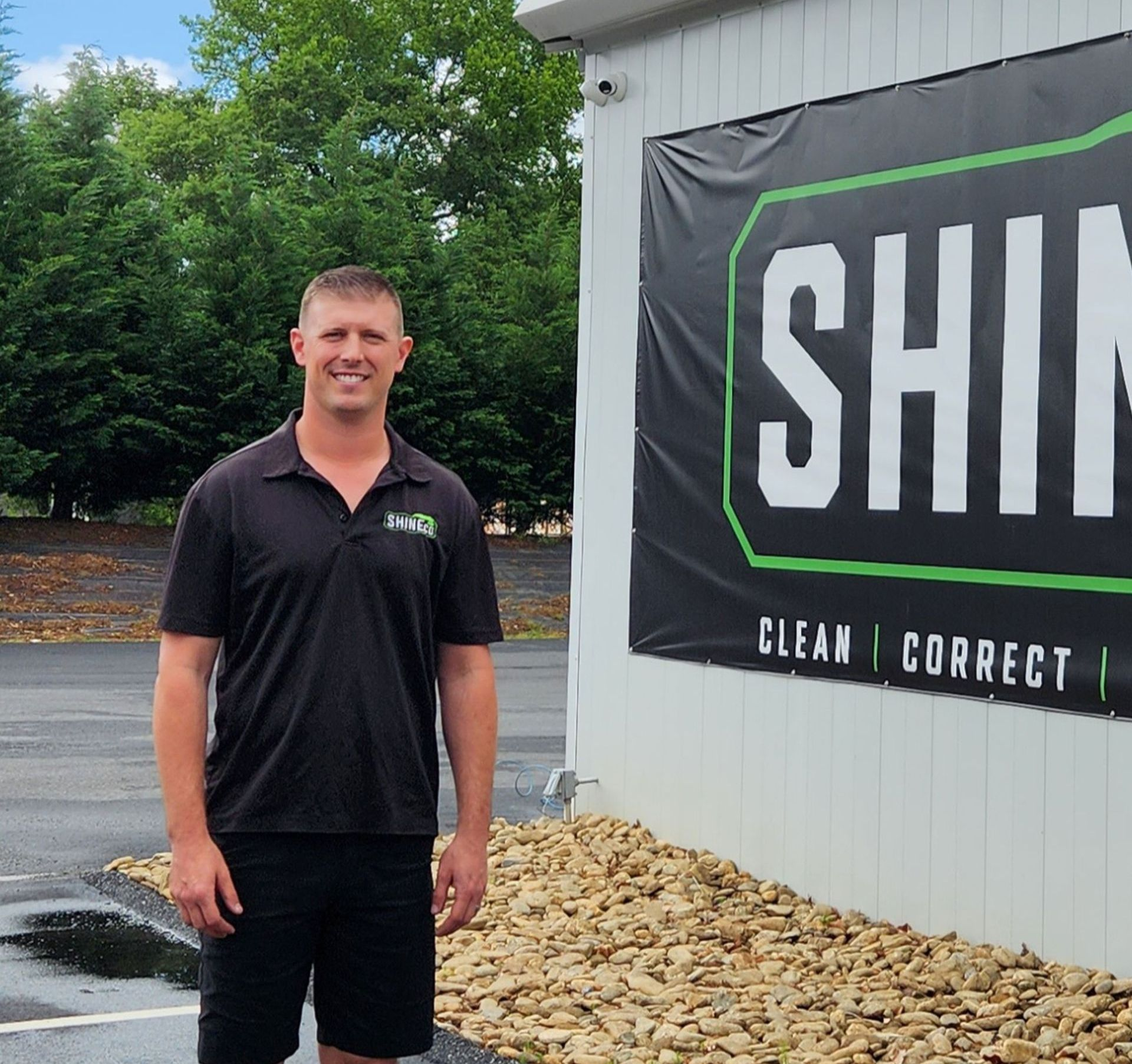
Thomas Kyle Simpson
Thomas Kyle Simpson is the Owner of ShineCo LLC with over 20 years of experience in automotive detailing. Specializing in paint correction, ceramic coatings, and PPF, he leads a nationally recognized team committed to quality and customer satisfaction. His passion-driven approach continues to shape ShineCo’s reputation for excellence.