
Yes, commercial window film can reduce office screen glare by controlling the amount of sunlight passing through glass. The right film helps improve screen visibility, maintain comfortable lighting, and reduce excessive heat without completely blocking natural daylight. Results depend on the film's specifications, window orientation, and existing glass.
For businesses in Spartanburg and Greenville, SC, office glare can affect daily productivity and employee comfort. At ShineCo, we help commercial property owners explore window tinting solutions that improve workplace conditions while preserving the appearance and functionality of their buildings.
How Does Commercial Window Film Reduce Office Screen Glare?
Office screen glare occurs when direct sunlight or excessive brightness interferes with computer monitors. Employees may struggle to read documents, adjust their screens repeatedly, or close blinds to reduce reflections.
Commercial window film addresses this problem by regulating visible light entering through windows. Depending on the product, the film can absorb or reflect portions of incoming sunlight, reducing excessive brightness near workstations.
For example, west-facing office windows often receive intense afternoon sunlight. Installing suitable solar control film can reduce the amount of light entering these areas, making screens easier to view.
However, window film cannot eliminate every reflection. Interior lighting, monitor positioning, and screen finishes also influence glare. Combining appropriate film with thoughtful workstation arrangements can provide more effective results.


Which Commercial Window Film Is Best for Office Glare?
Different commercial window films address specific building requirements. Choosing the right option depends on the amount of sunlight entering the workspace, desired privacy, and overall lighting preferences.
Solar Control Window Film
Solar control film is commonly used to reduce glare and solar heat entering commercial buildings. It helps manage excessive sunlight while allowing natural daylight to remain part of the working environment.
Reflective Window Film
Reflective film redirects a portion of incoming sunlight away from the building. It can be particularly useful for offices with large windows exposed to direct sunlight. Certain reflective products also provide daytime privacy, although nighttime visibility depends on interior and exterior lighting.
Safety and Security Window Film
Safety and security films are primarily designed to help retain broken glass and improve glazing performance under certain conditions. Some products offer solar control features, but glare reduction should be verified through manufacturer specifications.
Decorative Window Film
Decorative films are commonly installed on conference room glass, interior partitions, and entryways. They provide visual privacy and design flexibility but may not offer the same glare control as dedicated solar films.
For offices experiencing persistent screen glare, solar control or reflective films are generally the most relevant options to evaluate.
How to Choose Window Film Without Losing Natural Light
One concern among office managers is whether commercial window tinting will make the workspace too dark.
The answer depends largely on Visible Light Transmission (VLT), which measures the percentage of visible light passing through the glazing system.
Films with higher VLT values allow more daylight into the office. Products with lower VLT values generally reduce more incoming light, although actual glare reduction depends on additional film characteristics.
For businesses seeking balanced lighting, reviewing these specifications is important:
- Visible Light Transmission: Indicates how much visible light passes through the glass.
- Glare Reduction: Estimates how effectively the film reduces excessive visible brightness.
- Solar Heat Rejection: Describes how the glazing system manages incoming solar energy.
- UV Rejection: Indicates how much ultraviolet radiation the film blocks.
A professional evaluation should also consider window direction, glass type, existing lighting, and the location of computer workstations.
The objective is not necessarily to install the darkest film. Instead, it is to select a product that reduces distracting sunlight while maintaining a comfortable working environment.
Additional Benefits of Commercial Window Tinting
Although improved screen visibility is a primary reason to consider commercial window film, suitable products can provide additional benefits for offices and other commercial properties.
Improved Indoor Comfort
Large windows can create uncomfortable temperature differences between sun-exposed workstations and shaded areas. Solar control film helps reduce incoming solar heat, making spaces near windows more comfortable during periods of direct sunlight.
Reduced Cooling Demand
By limiting solar heat gain, certain commercial films can reduce the cooling load placed on an HVAC system. Actual energy savings depend on the building's design, existing glass, climate, and operating conditions.
Protection Against UV Exposure
Ultraviolet radiation contributes to fading and deterioration of office furnishings, flooring, and interior finishes. Commercial films with UV-blocking properties can help reduce exposure and preserve interior materials.
Additional Daytime Privacy
Some reflective and tinted films reduce visibility into offices during daylight hours. This can benefit ground-floor workplaces, meeting rooms, and commercial properties with windows facing public areas.
A More Functional Workspace
Reducing excessive brightness and solar heat can help employees work more comfortably without constantly adjusting blinds or repositioning monitors.
These benefits make commercial window film worth considering for property owners seeking practical improvements without immediately replacing existing windows.


What Should Businesses Know Before Installing Commercial Window Film?
Before installing commercial window tinting, it is important to determine whether the selected product is compatible with the existing glass.
Not every window film works with every glazing system. Double-pane windows, Low-E glass, and older or damaged glazing may require additional consideration.
Certain films absorb significant solar energy, potentially increasing thermal stress in incompatible glass. Evaluating the glazing system before installation helps reduce the risk of performance problems.
Professional installation generally includes inspecting and cleaning the glass, measuring the windows, preparing the film, and applying it carefully to achieve an even finish.
Installation timelines vary based on the number of windows, their accessibility, and the complexity of the project. Smaller commercial installations may be completed within a day, while larger buildings can require additional time.
Businesses should also review manufacturer warranties, cleaning requirements, and applicable building regulations before proceeding.
Attempting to install unsuitable film without proper preparation can result in visible defects, lifting edges, or other performance concerns. Professional product selection and installation help minimize these risks.
Is Commercial Window Film Worth It for Offices?
Commercial window film can be a worthwhile improvement for offices experiencing frequent glare, uncomfortable sunlight, or excessive heat near windows.
It may be particularly beneficial for buildings with large glass surfaces, west-facing workspaces, and desks positioned close to exterior windows.
However, film is not always the only solution. If glare primarily comes from overhead lighting or reflective monitor surfaces, workstation adjustments may also be necessary.
Business owners should evaluate the severity of the problem, desired daylight levels, available film options, and long-term maintenance requirements before making a decision.
A professional consultation can help determine whether commercial window tinting is appropriate for the property and which products offer the most suitable performance.
Commercial Window Tinting in Spartanburg and Greenville, SC
Commercial properties in Spartanburg and Greenville, SC, can experience distracting sunlight through office windows throughout the workday. Selecting appropriate commercial window film helps businesses manage screen glare while maintaining natural light and a professional interior environment.
At ShineCo, we understand that commercial properties have different glazing systems, lighting conditions, and operational requirements. Our residential and commercial window tinting solutions are designed to address practical concerns involving sunlight, comfort, and privacy.
Whether you manage a professional office, retail storefront, or other commercial property, choosing compatible window film is an important part of achieving reliable results.
If excessive sunlight is affecting your workspace, explore our residential and commercial window tinting services.
Contact ShineCo today to request a free estimate and discuss commercial window film options for your property in Spartanburg, Greenville, or the surrounding South Carolina communities.
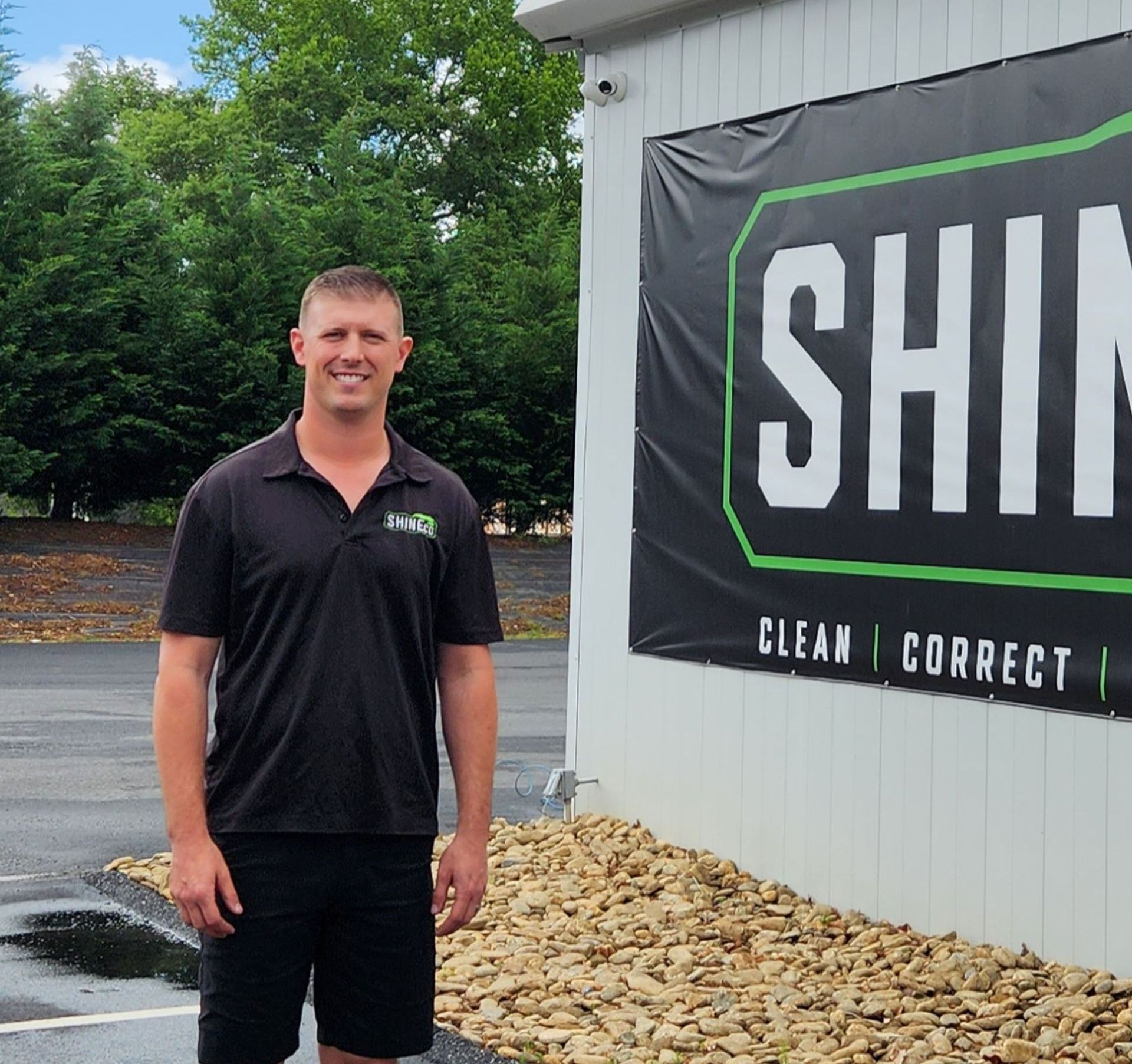
About the Author
Thomas Kyle Simpson
Thomas Kyle Simpson is the Owner of ShineCo LLC with over 20 years of experience in automotive detailing. Specializing in paint correction, ceramic coatings, and PPF, he leads a nationally recognized team committed to quality and customer satisfaction. His passion-driven approach continues to shape ShineCo’s reputation for excellence.