Ceramic coating has become a popular way to protect car paint and keep vehicles looking sharp for longer. But how can you tell if a car actually has this high-tech layer or just a regular wax job? It turns out there are some simple clues anyone can look for—like the shine, how water behaves on the surface, and even how the paint feels under your fingers. In this article, we'll break down these easy inspection tips so you can spot ceramic coatings without needing special tools or expert knowledge.
To determine if a car has been ceramic coated, look for highly reflective, candy-like gloss and strong water beading with high contact angles where water forms tight beads that easily slide off the surface. Additionally, verify through documentation such as receipts or warranty cards from professional installers, as visual inspection alone may be inconclusive due to similar effects produced by waxes or sealants.
The Tell-Tale Signs of Ceramic Coating
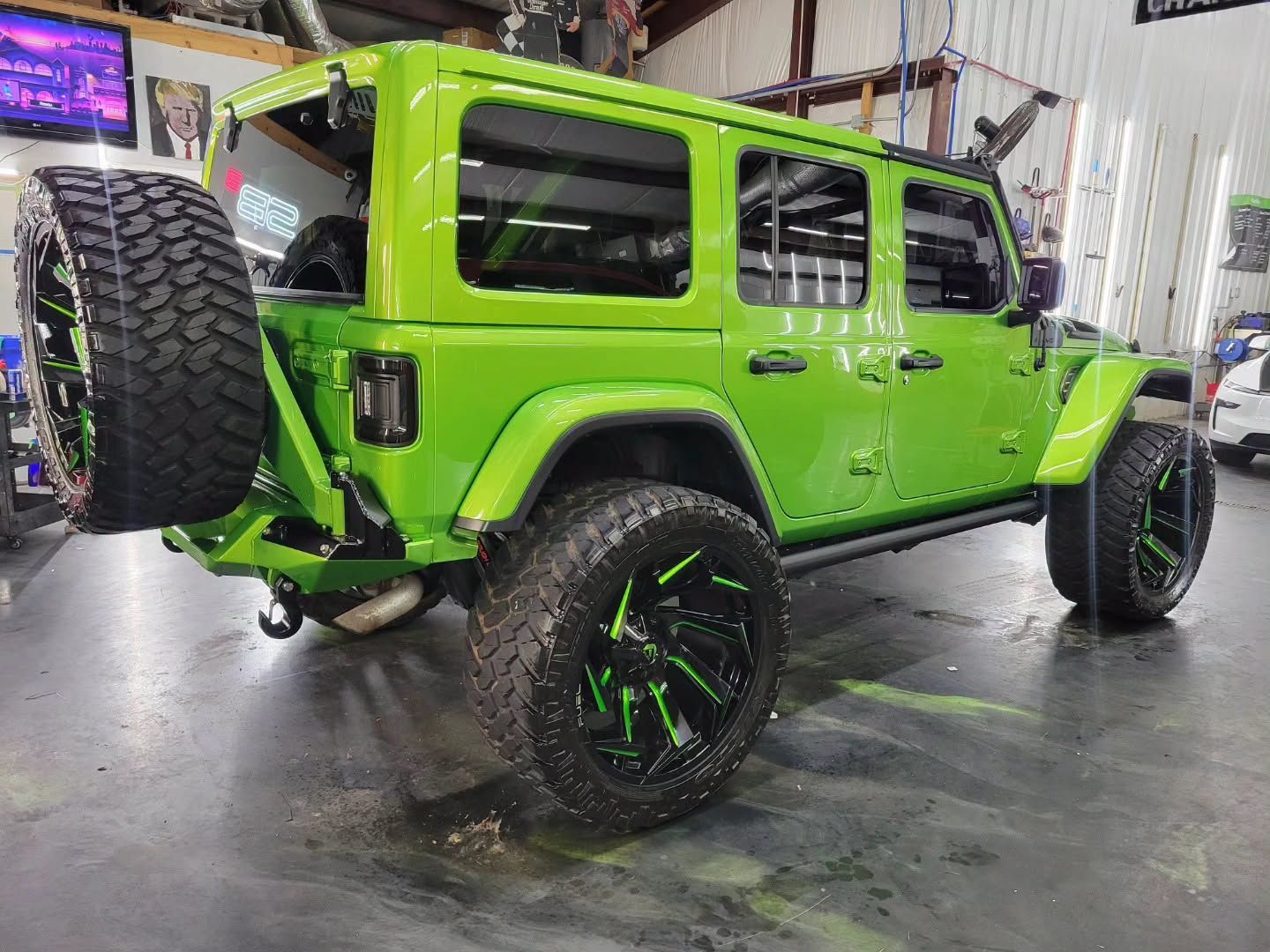
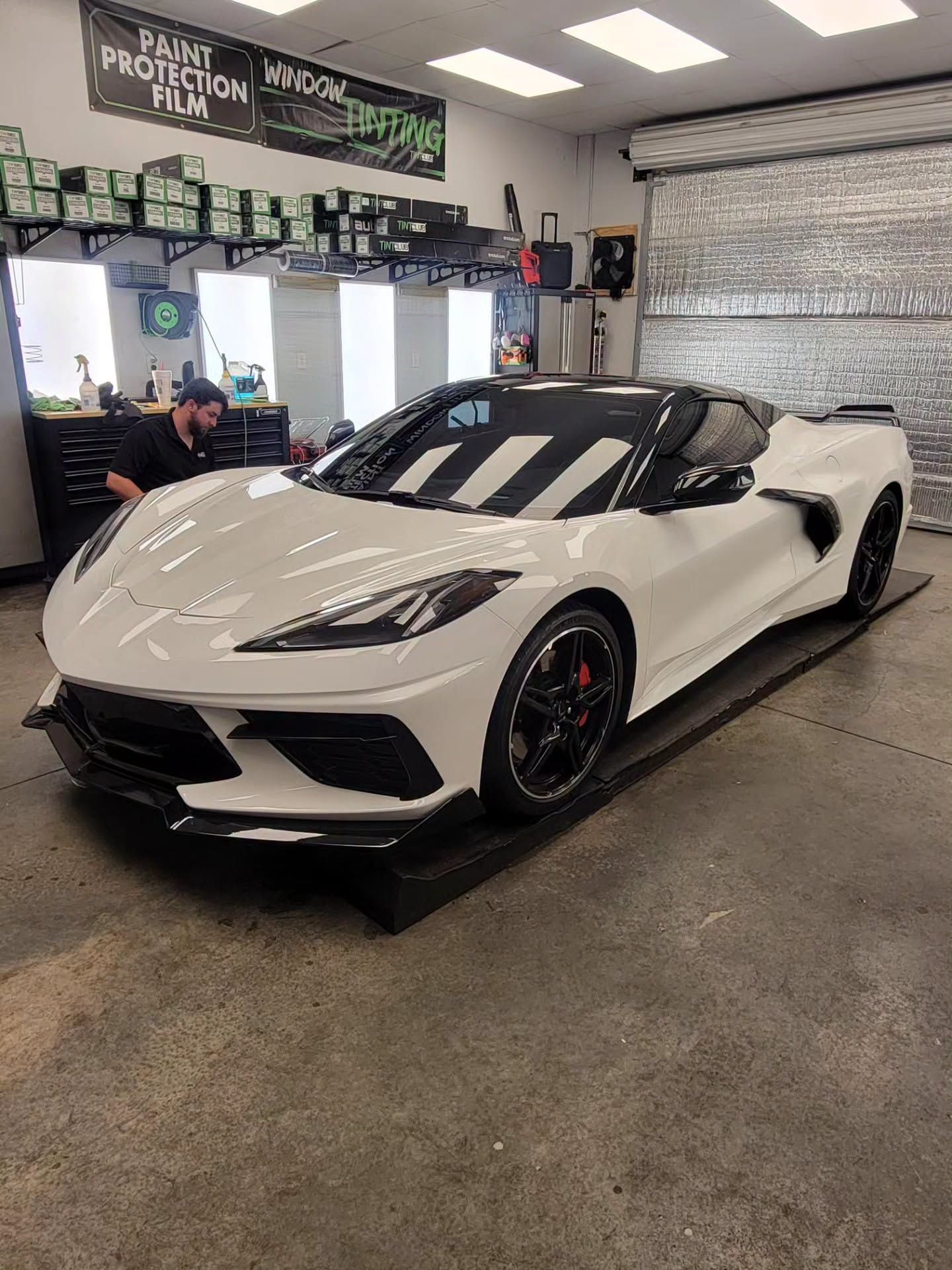
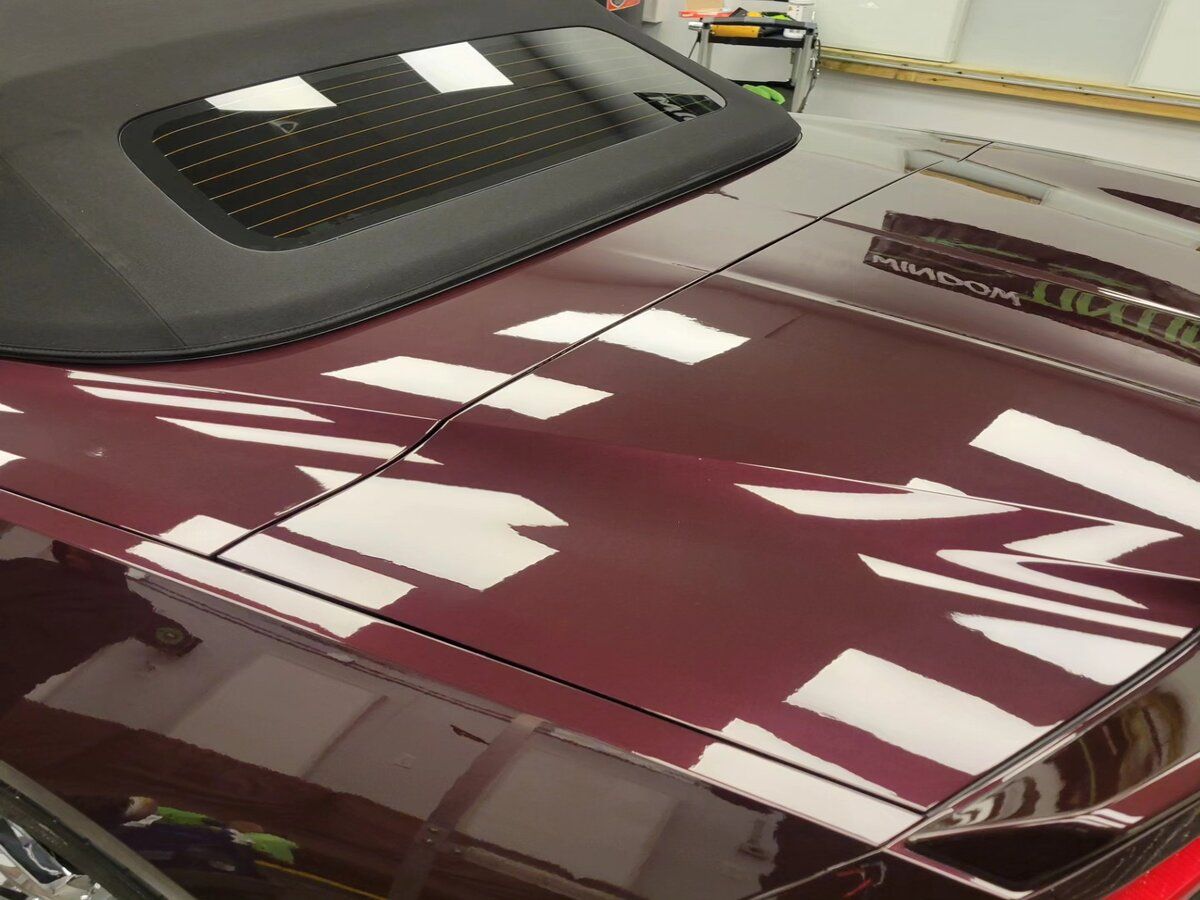
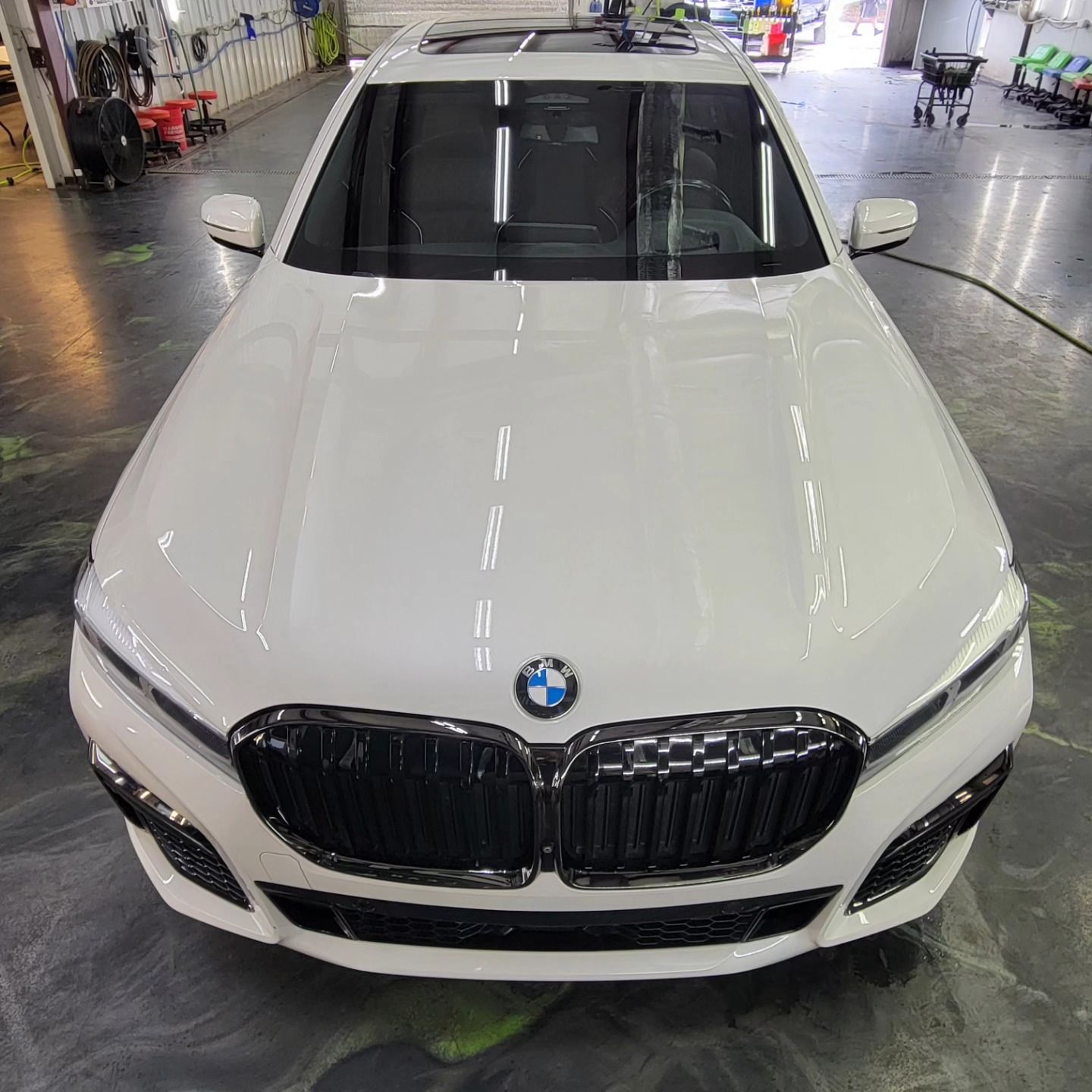
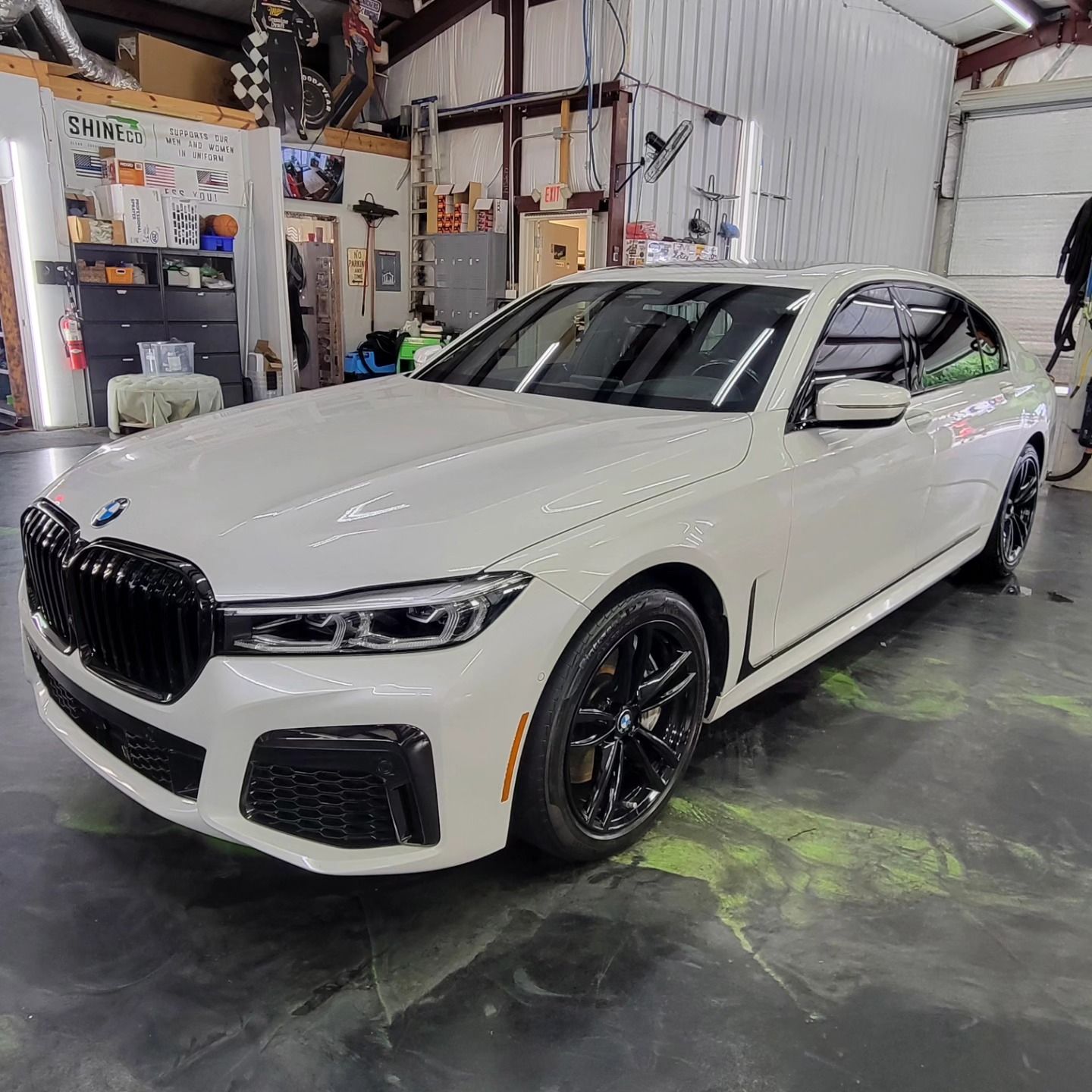
One of the most striking ways to spot ceramic coating is by looking closely at the paint's finish. A ceramic-coated car doesn't just shine—it gleams with a depth and clarity that goes beyond typical wax or sealant finishes. Imagine looking into your car's surface and seeing reflections so crisp and candy-like they almost feel three-dimensional. This exceptional gloss results from the advanced nanotechnology in ceramic coatings, which forms a smooth, glass-like layer over the paint. The result is not only enhanced beauty but also minimized micro-scratches and swirl marks that dull lesser finishes.
However, it's important to note that a shiny finish alone doesn't guarantee ceramic protection. Some synthetic waxes can mimic high gloss, so you need to look for uniformity across panels. Uneven gloss or streaks might indicate patchy application or simply a traditional protective layer instead of ceramic. Professional installations, like those offered by ShineCo in Spartanburg and Greenville, typically yield even and consistently dazzling surfaces without streaking or blotching.
Water Behavior
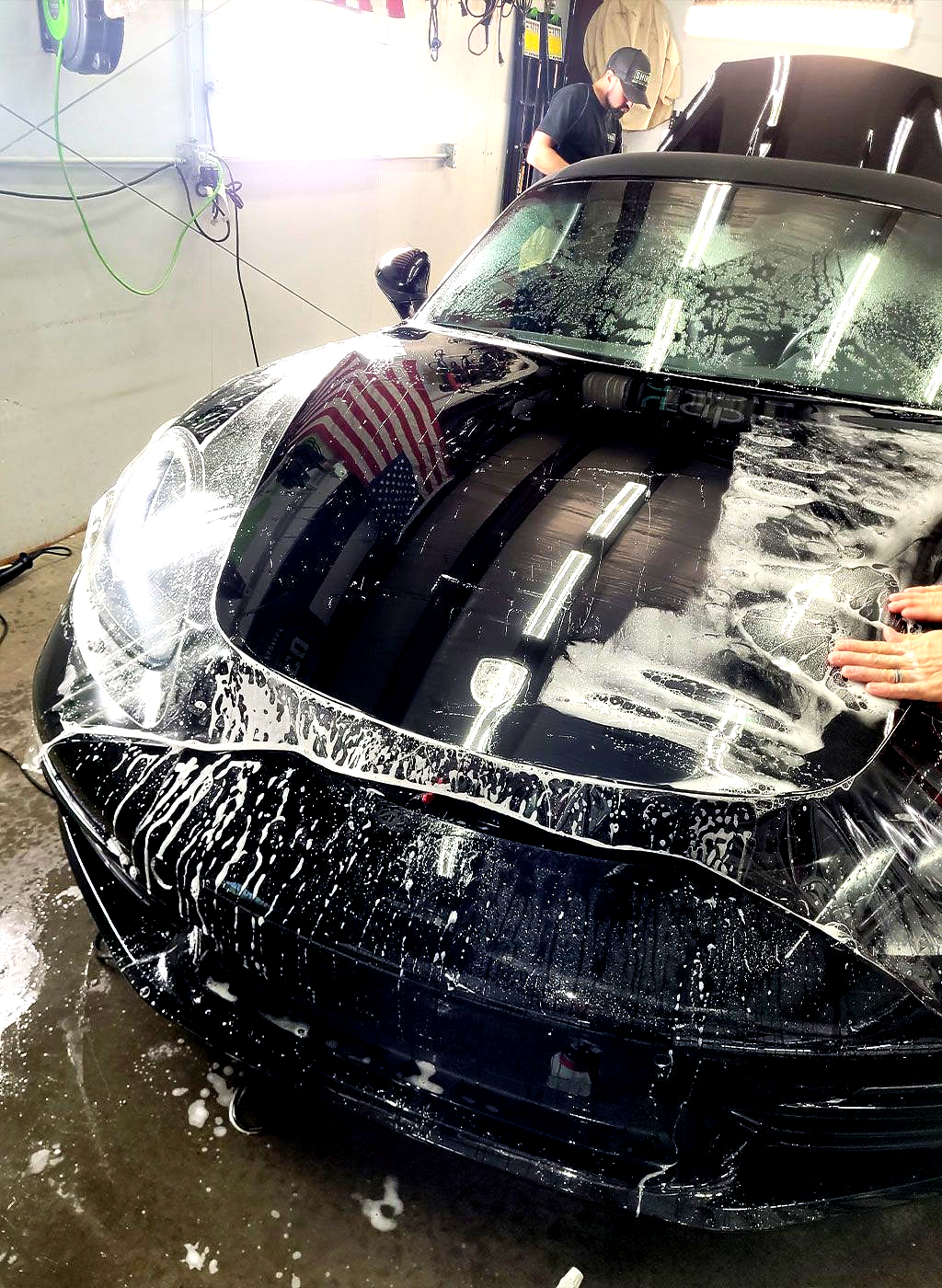
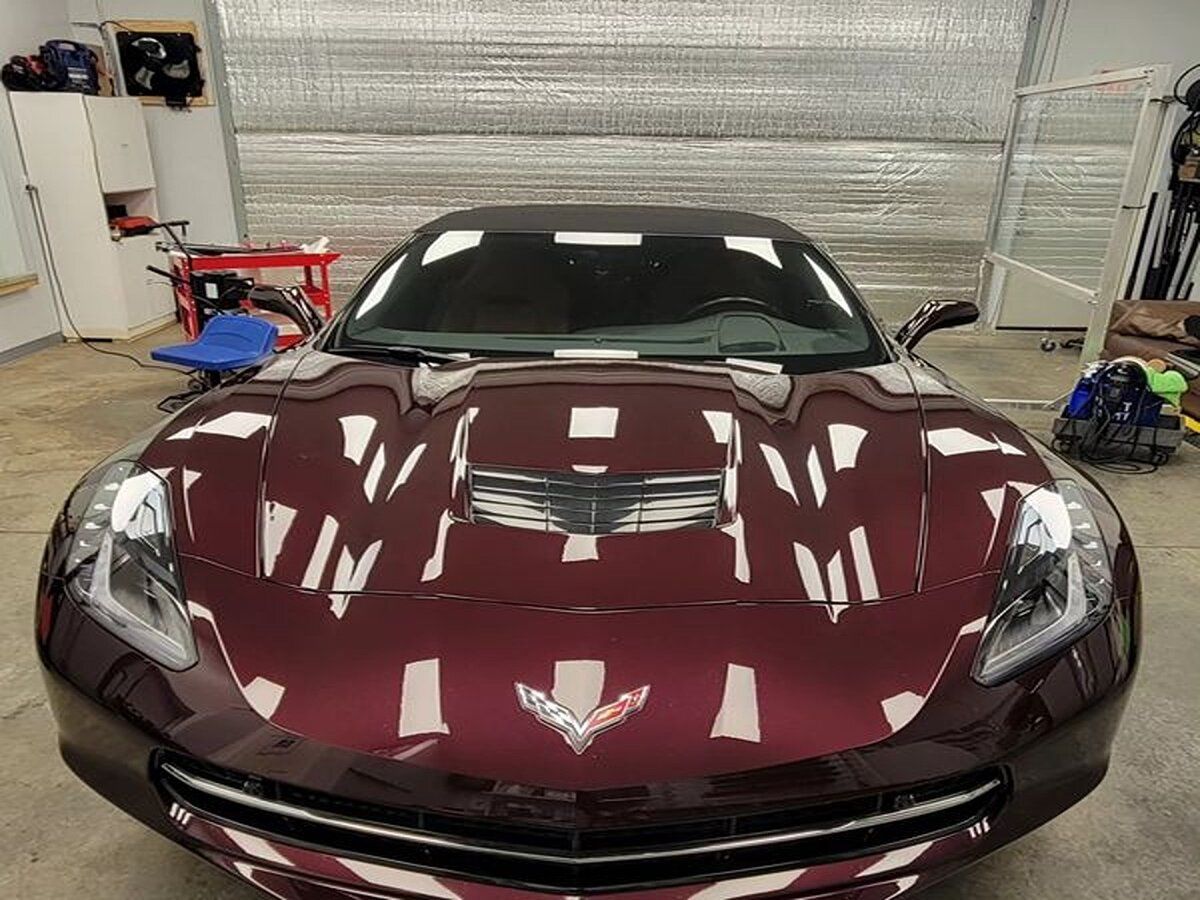
Perhaps the most famous hallmark of ceramic coating is what happens when water meets its surface. Instead of spreading out like on untreated or waxed surfaces, water beads up sharply within seconds. These droplets form almost perfectly rounded beads, measuring about 2-3 millimeters in diameter, perched atop the paint with contact angles often exceeding 100°. As you tilt the car or as rain continues to fall, these beads effortlessly slide off, whisking dirt and grime away with them.
This phenomenon isn't merely aesthetic—it's functional. The strong hydrophobicity reduces water spots, mineral deposits from hard water, and helps keep surfaces cleaner longer than traditional coatings. It's crucial to understand though: some high-quality synthetic waxes or sealants may cause similar beading effects initially but tend to lose this property after a few washes. Ceramic coatings endure multiple washes—sometimes dozens without significant loss of repellency—thanks to their chemical durability.
Dirt Resistance
Dirt clings less stubbornly to ceramic-coated cars, effectively letting the rain or a light hose-down do much of the work. This dirt-repellent quality stems from the ultra-smooth, tightly bonded surface created by the coating that limits how debris sticks. It means fewer frequent cleanings and easier maintenance overall.
After driving on dusty roads or experiencing light rain, you might notice coated vehicles still sparkle clean, while unprotected cars show obvious dirt buildup and water spots. This superior resistance can reduce wear on your paint caused by contaminants like road grime or bird droppings—all significant contributors to surface damage over time.
UV Protection
Another subtle but vital clue lies in how well your vehicle resists sun-induced fading. Paint exposed daily to direct sunlight naturally tends to dull and discolor, especially on older vehicles without protection. Ceramic coatings act as a robust UV shield that blocks harmful rays from penetrating and breaking down paint polymers.
Over months and years, this protection preserves your car's original factory brightness and color integrity evenly—even in areas most exposed to sunlight such as roofs and hoods—resulting in a more consistent appearance compared to untreated sections like where the hood meets the engine bay. This long-term preservation helps maintain resale value and keeps your vehicle looking showroom-new much longer.
In practice, confirming ceramic coating presence wisely combines these visual clues with operational tests—like washing a small panel several times to observe if water repellency endures—and reviewing any documentation such as installation receipts or warranty cards (features provided by reputable installers including ShineCo). Remember, while DIY inspection helps, consulting professionals ensures true verification and peace of mind regarding your vehicle's protection status.
Gloss and Surface Smoothness
When your eyes land on a ceramic-coated vehicle, the first thing you'll likely notice is its breathtaking shine. This gloss goes beyond what standard wax or sealants can provide; it's deeper, richer, and almost three-dimensional in depth. Imagine looking into a perfectly still lake reflecting the sky—that's the kind of mirror-like finish ceramic coatings offer.
The colors pop with more vibrancy, and reflections are sharp and clear without that dull, hazy look common on untreated paint. This isn't some fleeting sparkle—it's a durable brilliance that can last for years when properly maintained.
The secret lies in the nanotechnology behind ceramic coatings, which bonds at a molecular level to the paint, creating a smooth surface that allows light to reflect almost flawlessly.
Yet, the visual impact alone doesn't tell the whole story—the way the surface feels under your fingertips confirms if a true ceramic coating is present.
Smoother Surface
Running your fingers gently over the bodywork of a ceramic-coated car is an experience quite unlike any other. Instead of feeling grainy or textured like traditional paintwork often does, you'll find it almost eerily smooth—like finely polished glass.
This tactile smoothness results from the microscopic layer of protection that fills in tiny imperfections and creates a uniform, sleek surface. Beyond aesthetics, this smooth texture helps repel dirt, water, and other contaminants by minimizing places for them to cling.
It also makes washing easier and keeps your car looking cleaner longer. To maintain this silky feeling, it's essential to follow recommended washing protocols—avoiding harsh chemicals or abrasive tools preserves both the coating's integrity and its signature smoothness.
Another key indicator lies not just in how glossy or smooth one section is—but how consistent these qualities are across the entire vehicle.
Consistency
Excellence in ceramic coating isn't only about flashes of shine here and there; it's about uniformity across every panel and curve of your car.
When inspecting a suspected coated vehicle, take time to observe how evenly the gloss spreads across doors, hoods, bumpers, and roof sections.
Areas with diminished shine or rough textures could signal incomplete application or worn spots where the coating has thinned over time. Uneven finishes not only detract from appearance but may leave parts of your paint vulnerable to damage or contamination.
A professional ceramic coating job ensures meticulous coverage producing an uninterrupted gleam that flows seamlessly from one panel to another—proof positive of quality workmanship.
When you inspect a vehicle claiming ceramic coating, look for profound gloss with vivid clarity, unmistakable slickness under touch, and flawless consistency everywhere you look. These factors provide hallmark evidence of genuine ceramic protection that keeps cars looking stunning year after year.
For those seeking professional application or verification services, ShineCo offers expert ceramic coating packages with documented guarantees and superior craftsmanship designed to deliver—and maintain—this premium gloss and smoothness. Call us at (864) 809-4385 to learn more.
Assessing Hydrophobic Properties
One of the defining features that sets ceramic coatings apart from waxes and sealants is their impressive ability to repel water. This hydrophobic characteristic means water doesn't just sit flat on the surface; instead, it beads up into tight, almost perfectly round droplets that resist spreading.
To see this in action, simply pour a small amount of water onto the painted surface. On a properly ceramic-coated car, these drops should form neat spheres that quickly roll off, taking dirt and grime with them. In contrast, if you notice water spreading out or lingering as broad, flat puddles, it's a sign the surface lacks advanced protection.
Why does this happen? Ceramic coatings create an ultra-smooth, glass-like layer bonded chemically to your paint. This layer increases the contact angle of water droplets dramatically—often pushing beyond 110 degrees—which prevents water from sticking and instead encourages it to bead tightly and shed rapidly. This isn't just cosmetic; it helps reduce water spots and protects your paint from contaminants trapped in moisture.
When testing hydrophobicity yourself, go beyond a casual glance. Look meticulously at both the size and shape of beads. Larger droplets that sit perched like little domes are good indicators of fresh ceramic protection. Smaller or more flattened beads may suggest an older coating wearing thin or simply a quality wax at work.
Professional detailers often measure these contact angles precisely as part of their routine inspections because the sharper and more spherical the bead, the stronger and newer the coating.
Another important aspect to consider is how this beading behavior holds up over time and use. Unlike waxes that wash away after just a couple of cleanings, ceramic coatings typically maintain their hydrophobic effect through multiple washes—two or three at least without losing much repelling power.
Some coatings retain this benefit for years with proper maintenance. It's worth noting that some synthetic products emulate hydrophobicity initially but degrade rapidly, so repeating the water test after washes can help distinguish between short-lived treatments and genuine ceramic protection.
For enthusiasts interested in robust verification, chemical tests exist using all-purpose cleaners (APC) or prep sprays like Gyeon Prep that can remove wax residues and reveal if a true ceramic layer remains underneath. However, these tests require care to avoid stripping your whole coating unwittingly.
"Water behavior gives you a window into the invisible battle on your car's surface—a fight to stay clean and pristine longer," says a seasoned professional detailer. Observing water sheet swiftly off panels or clump neatly into beads is your best natural litmus test for identifying ceramic coatings without special tools.
Detailed Visual Inspection Techniques
A thorough visual inspection is one of the most accessible and revealing ways to discern if a car has been ceramic coated. The goal here isn't just to admire shine but to analyze the quality and uniformity of that shine. When you hold a strong LED flashlight or direct sunlight against the paint, it reveals a lot.
Ceramic coatings produce glass-like reflections that are smooth and uninterrupted by fine swirl marks or scratches. You want to see a kind of liquid gloss that seems to flow across the surface without breaks or haze, which is hard to mimic with waxes or sealants.
The best practice is to focus on lighting techniques that emphasize these subtle details. Position your light source at different angles—look for sharp, consistent reflections without distortions or irregularities. Those tiny imperfections like swirl marks scatter light unevenly and betray an untreated or poorly maintained surface.
In contrast, a quality ceramic coating minimizes these flaws due to its hardness and self-leveling characteristics, creating a nearly flawless mirror finish. This is why professionals often measure gloss units (GU) under a 60° angle; ceramic coatings typically achieve glossy scores between 70 and 90 GU, far beyond a regular waxed surface.
To avoid jumping to conclusions based on just one part of the vehicle, inspect it panel by panel. Comparing adjacent panels side-by-side can reveal inconsistencies in gloss and cleanliness that might indicate partial coating or uneven application.
For example, if one door gleams with vibrant depth and perfect clarity but another nearby panel looks duller or hazier, this disparity suggests either an absence of coating or degradation over time. Uniformity matters—a consistent sheen across panels usually means the car received a professional application rather than spot treatments.
Paintwork consistency offers another clue when inspecting for ceramic coatings. Because these coatings have a certain thickness and fluidity during application, they tend to "self-level" minor surface blemishes such as small scratches or chips.
This means surfaces under ceramic protection often appear smoother despite previous minor damage, as the coating fills in tiny imperfections subtly reducing their visibility. Of course, severe damage won't disappear—but this smoothing can be telling.
So, if you notice a certain softness in the paint's texture—where edges of tiny scratches seem less jagged—that could point to an active ceramic layer working beneath your gaze.
Conclusion
By recognizing these key indicators of coating wear and practicing proper maintenance, you ensure your vehicle maintains that brilliant shine and durable protection only ceramic coatings offer.
At ShineCo, we've been serving Spartanburg and Greenville for nearly five years with expert ceramic coating installation using industry-leading SB3 and Icon Rocklear products. Our team treats every vehicle like it's our own, ensuring meticulous coverage and showroom-ready results.
Whether you just purchased a new vehicle and want to protect your investment, or you're looking to restore and shield your current ride, we're here to help. From ceramic coatings and PPF to paint correction and window tinting, we offer the complete package.
Ready to give your car the protection it deserves? Request your free quote today by visiting our contact page
ShineCo or call us at (864) 809-4385. Let
ShineCo show you what true automotive care looks like.
About the Author
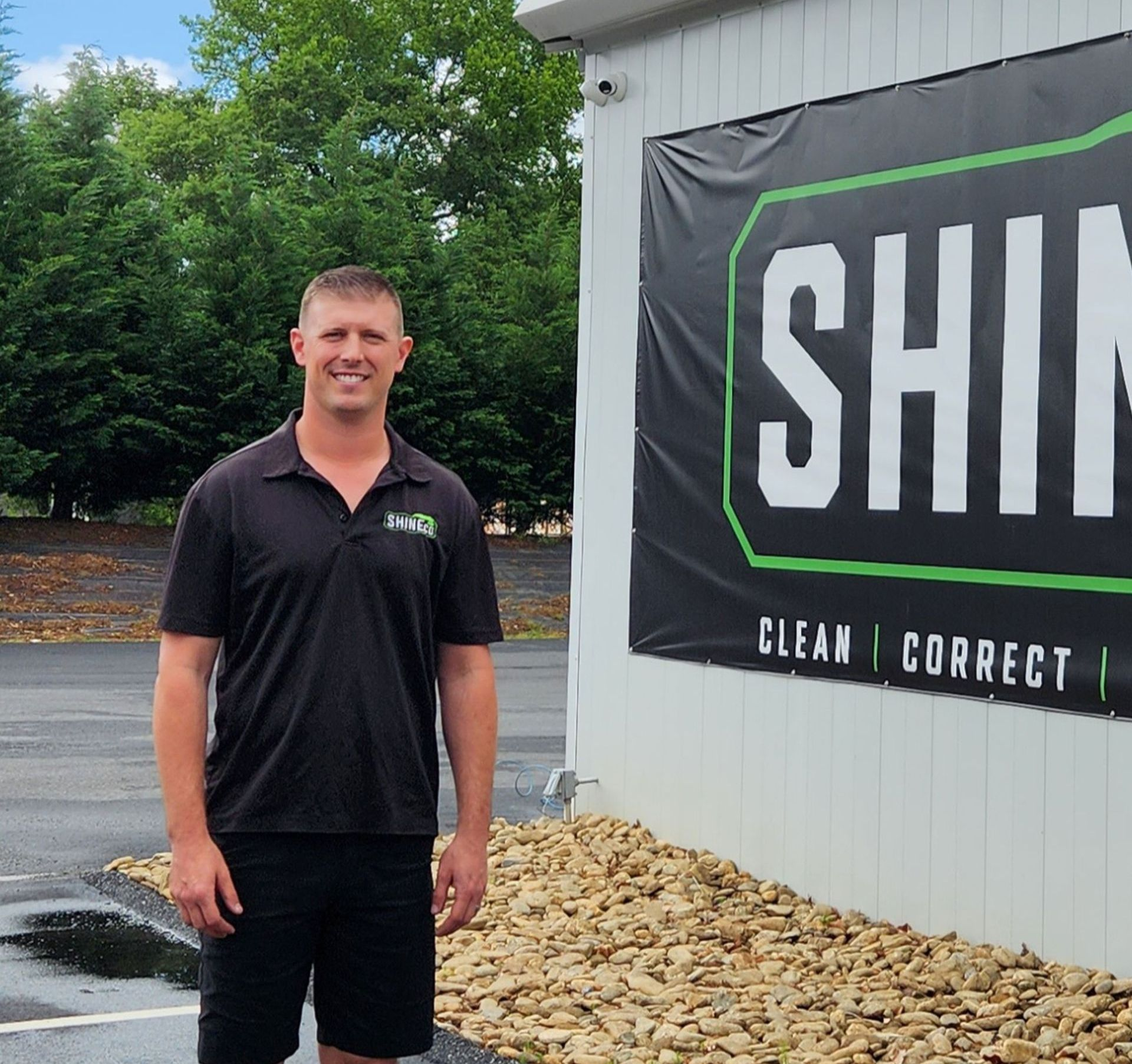
Thomas Kyle Simpson
Thomas Kyle Simpson is the Owner of ShineCo LLC with over 20 years of experience in automotive detailing. Specializing in paint correction, ceramic coatings, and PPF, he leads a nationally recognized team committed to quality and customer satisfaction. His passion-driven approach continues to shape ShineCo’s reputation for excellence.