When it comes to protecting your car’s paint, choosing between ceramic coatings and sealants can be difficult. Both products promise to keep your vehicle looking shiny and shielded from environmental damage. However, the real differences go beyond just the visual appeal—they affect how long your paint stays protected, how often you need to maintain it, and which option fits your budget and schedule. In this guide, we’ll break down the key distinctions between ceramic coatings and sealants so you can choose the best protection for your vehicle.
Ceramic Coatings: Long-Term, Professional-Grade Protection
Ceramic coatings are designed to form a durable, chemical bond with your car’s paint, providing long-lasting protection—often for several years—against UV rays, contaminants, and other environmental damage. In contrast, ceramic sealants act as sacrificial layers, offering short-term protection that typically lasts around 3–6 months and requires frequent reapplication.
Advantages of Ceramic Coatings
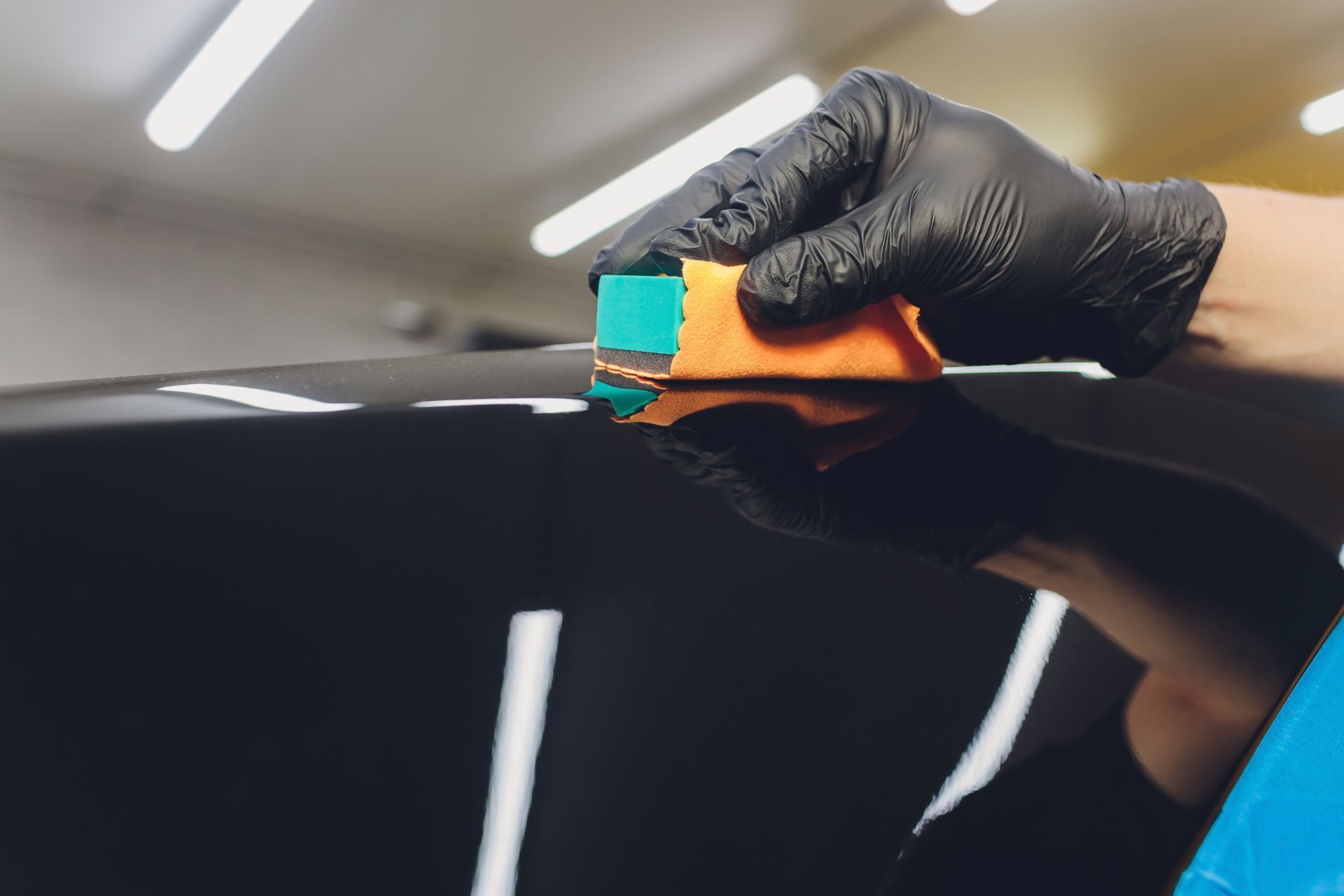
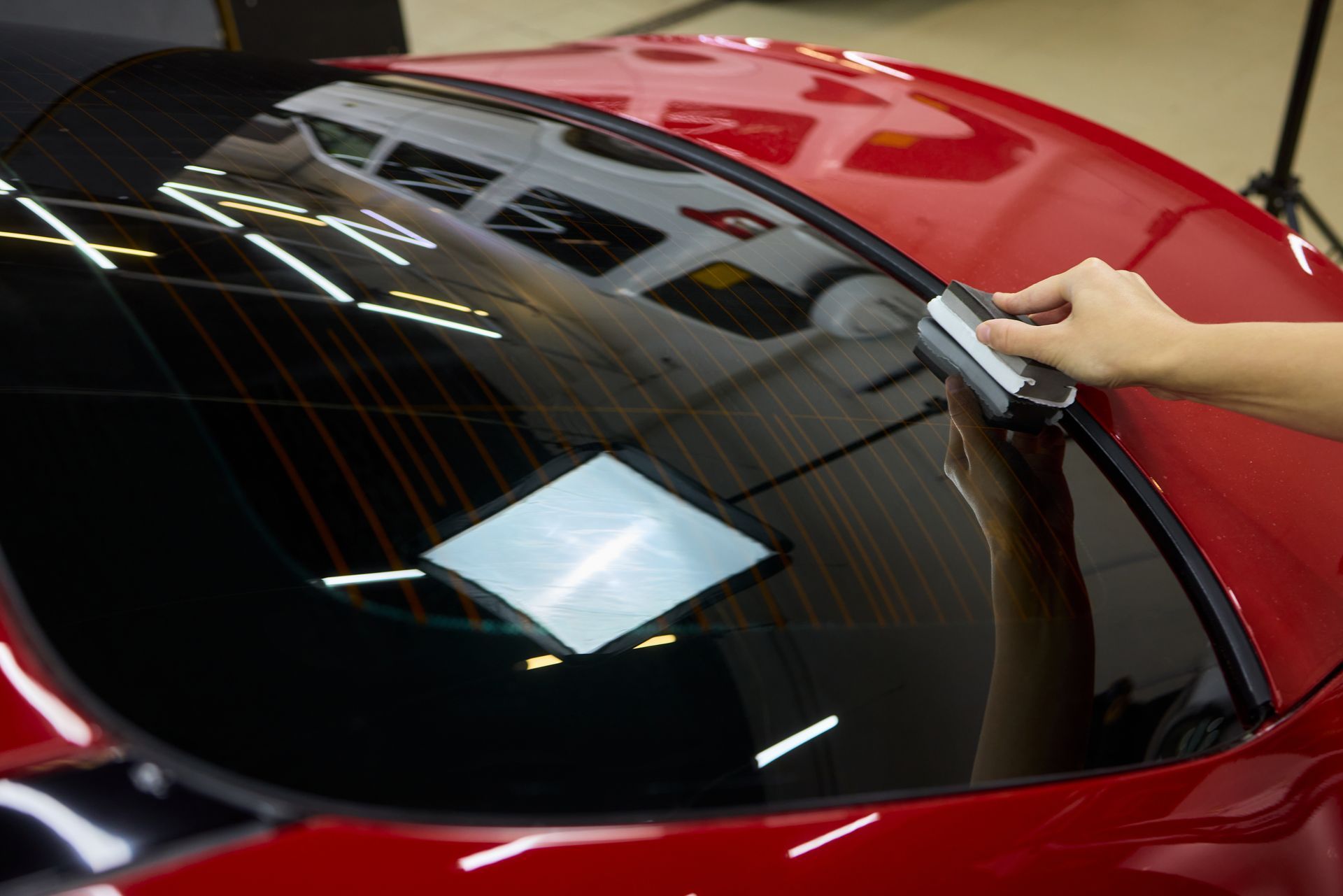
One of the most notable advantages of ceramic coatings is their exceptional durability. Unlike traditional sealants, which wear away after a few months, ceramic coatings bond chemically to your car's paint, creating a tough, resilient layer. This layer offers long-lasting protection, often lasting between one to five years, depending on the product and how well it’s maintained.
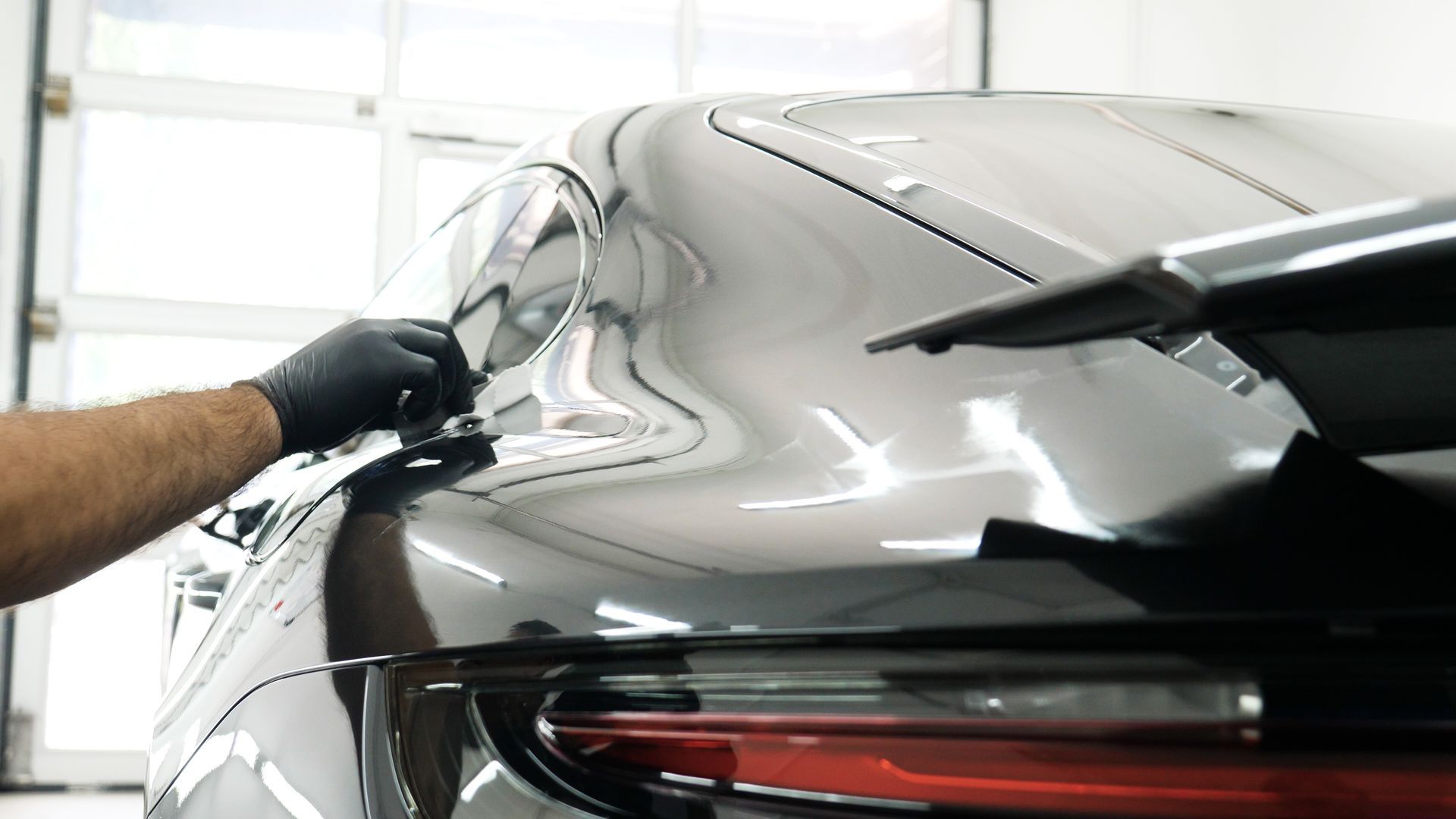
Investing in professional application, such as those provided by ShineCo’s SB3 line, ensures the coating doesn’t just sit on top of the paint but becomes part of the paint itself. This permanence translates to fewer worries about environmental damage. Ceramic coatings resist bird droppings, bug splatters, acid rain, and road salts—something traditional waxes and sealants cannot effectively prevent for long periods.
In addition to durability, ceramic coatings offer excellent hydrophobic properties, dramatically changing how water interacts with your vehicle’s surface. A properly applied ceramic coating causes water to bead up and roll off the surface, preventing the build-up of dirt, grime, and mineral deposits that can cause water spots. By reducing the amount of moisture on your vehicle’s surface, the risk of rust forming on metal parts is also minimized.
Think of ceramic coatings like a raincoat for your car—water and dirt simply roll off instead of clinging to the surface. This benefit not only improves the appearance of your vehicle but also reduces the frequency of washes. Many car owners report that they can extend the time between washes by weeks or even months without sacrificing the clean, glossy look.
Protection against sun damage is another major advantage of ceramic coatings. Ultraviolet (UV) rays can gradually degrade automotive paint, leading to fading and oxidation that dulls the finish. Ceramic coatings act as a strong UV blocker, helping preserve the vibrant color of your car and preventing the chalky look that unprotected paint often develops over time. Given the harsh sunlight in many regions, this feature alone can save thousands in repainting costs down the road.
Ceramic coatings offer a holistic defense system for your car's exterior, combining chemical resistance, hydrophobicity, and UV protection. Additionally, they significantly reduce maintenance time. Since dirt and grime slide off coated surfaces more easily, car owners can reduce the time spent washing their vehicles while maintaining a deep gloss. For those looking for optimal results with minimal hassle, pairing professional ceramic coating application with periodic upkeep using compatible spray sealants or detailer sprays can extend the life of the protection while keeping maintenance simple.
Sealants: Affordable, DIY-Friendly Protection
Sealants create a protective layer from synthetic polymers that bond with your car’s paint, shielding it from rain, dirt, and UV rays. While sealants last notably longer than waxes—typically between 3 to 6 months—they still require reapplication every few months to maintain their effectiveness. Unlike ceramic coatings, which form a permanent bond with the paint, sealants act as sacrificial layers that wear off over time.
Benefits of Using Sealants
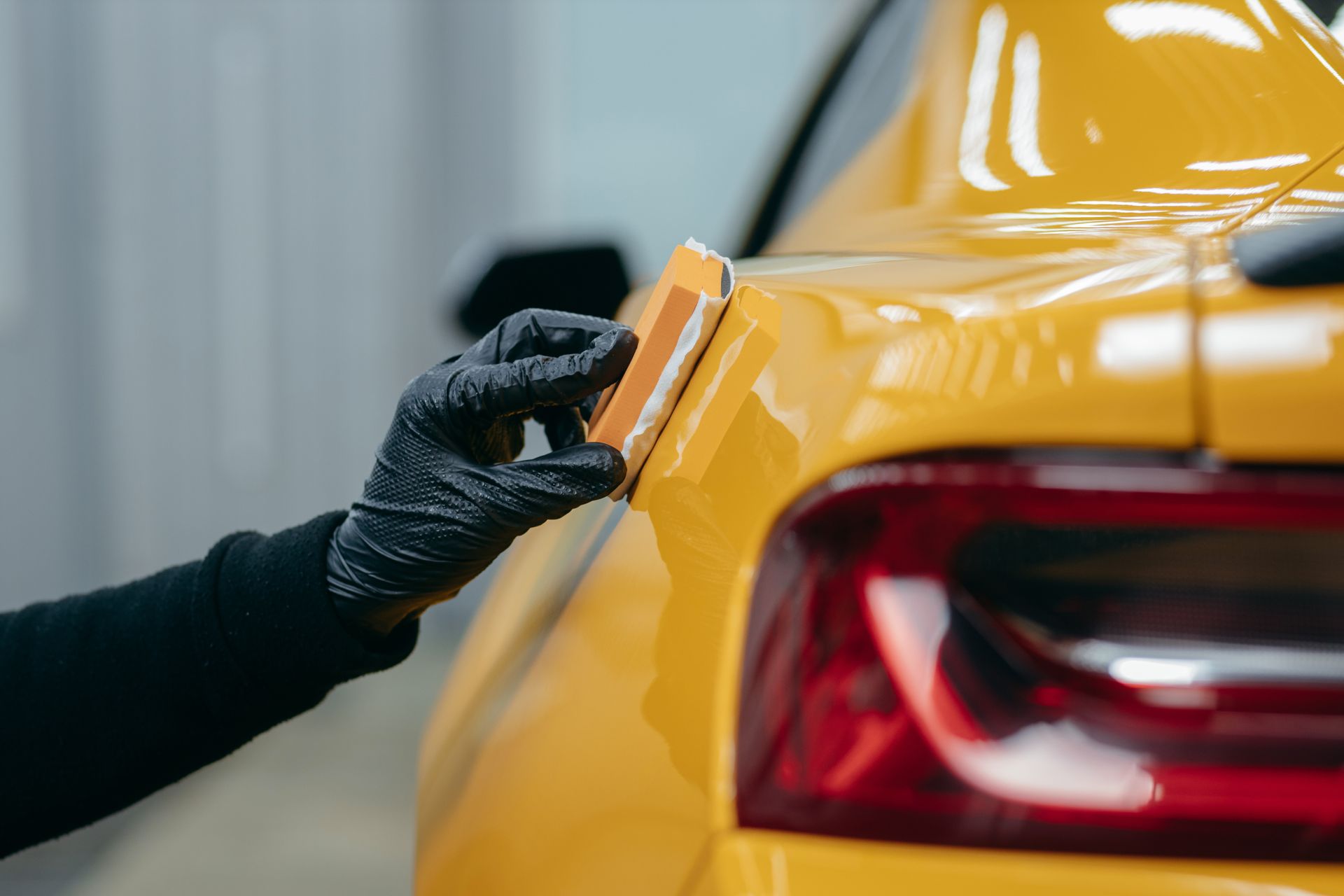
One of the most compelling benefits of sealants is their ease of use. Most sealants don’t require the same level of preparation or technical skill that ceramic coatings do. Car owners can apply sealants themselves, typically after a simple wash and dry of the vehicle. This DIY approach makes sealants an affordable option for those who prefer to take control of their car’s maintenance without hiring a professional.
While sealants don’t offer the same long-term durability as ceramic coatings, their ease of application makes them a viable option for those who like to refresh their vehicle’s appearance regularly. Applying a new coat of sealant every few months helps maintain the car’s glossy look and protection against environmental damage.
Another advantage of sealants is their versatility. Many sealant products are designed not only for painted surfaces but also for glossy areas like glass and chrome trim. This multi-surface compatibility means you can protect several parts of your car with a single product, simplifying your vehicle maintenance routine while enhancing its overall aesthetic appeal.
Comparison: Ceramic Coating vs Sealant
| Characteristic | Ceramic Coating | Sealant |
|---|---|---|
| Application Ease | Requires professional application | Can be applied DIY-style |
| Longevity | 2–10 years | 3–6 months |
| Hydrophobicity | Excellent water beading effect | Moderate water beading effect |
| UV Protection | Strong UV blocker to prevent paint fading | Moderate UV protection |
| Maintenance | Minimal; occasional upkeep | Frequent reapplication |
| Durability | Highly durable, resists contaminants | Less durable, sacrificial layer |
Cost Analysis: Coating vs Sealant
When considering the total cost of protecting your vehicle’s paint, it’s important to look beyond just the upfront price. Ceramic coatings are typically more expensive, with professional installation ranges depending on the size and condition of your vehicle. This cost covers extensive preparation, including deep cleaning, paint correction, and multiple layers of coating to ensure durability.
Sealants are much more affordable at first glance. DIY sealant bottles typically cost between $20 and $60, and even professional applications usually range from $100 to $300. However, sealants require reapplication every few months, which means additional purchases over time. While sealants save you money initially, those savings can be offset by frequent maintenance costs.
The Bottom Line: Which Option is Right for You?
Choosing between ceramic coatings and sealants comes down to your priorities regarding protection, maintenance, and budget. Ceramic coatings offer superior long-term protection with minimal maintenance, making them a great investment for those who want the best protection and don’t mind spending more upfront. On the other hand, sealants are a cost-effective, DIY-friendly option for those who don’t mind reapplying their vehicle’s protection regularly.
If you’re looking for the best value in long-term protection, ceramic coatings are the clear winner. For those who prefer frequent touch-ups and want a more affordable, hands-on option, sealants may be the right choice. Understanding these differences will help you make an informed decision about the best protection for your vehicle.
For personalized advice on which car protection option is best for you or to schedule a professional service,
contact us today or call us at (864) 809-4385.
About the Author
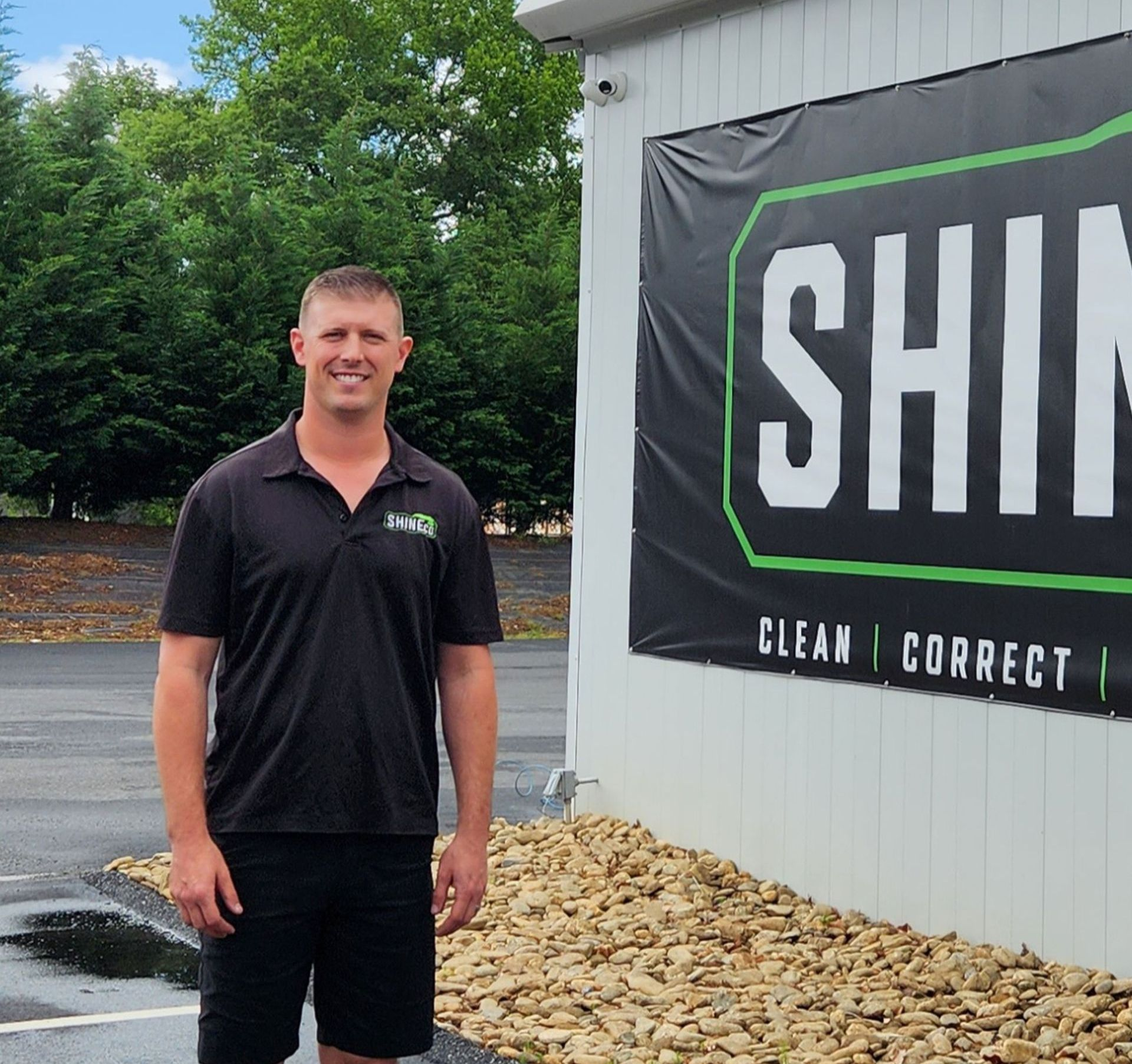
Thomas Kyle Simpson
Thomas Kyle Simpson is the Owner of ShineCo LLC with over 20 years of experience in automotive detailing. Specializing in paint correction, ceramic coatings, and PPF, he leads a nationally recognized team committed to quality and customer satisfaction. His passion-driven approach continues to shape ShineCo’s reputation for excellence.